Creating handmade paper crafts with botanical pressings lets you transform fresh flowers and leaves into delicate, eco-friendly art pieces. You’ll begin by selecting healthy plants and pressing them between absorbent papers using a flower press or heavy books, then wait patiently for them to dry. You can arrange pressed botanicals for cards, frames, or mixed media projects while using biodegradable materials. If you keep exploring, you’ll discover inspiring ways to craft beautiful, sustainable decorations that connect you with nature.

Get furniture and decor delivered free with Prime
- Fast, free delivery on millions of items
- Prime Video, Amazon Music and more included
- Member-only deals all year
Key Takeaways
- Botanical pressings involve pressing and drying flowers and leaves between absorbent papers to create delicate, artistic botanical specimens.
- Use eco-friendly materials like recycled paper, natural adhesives, and biodegradable frames to enhance sustainability.
- Proper pressing requires placing specimens between papers and applying consistent pressure for several days to preserve color and detail.
- Pressed botanicals can be used for crafts such as greeting cards, framed art, or decorative projects, promoting eco-conscious creativity.
- This craft reduces waste, supports biodiversity, and celebrates nature through environmentally responsible handmade paper art.
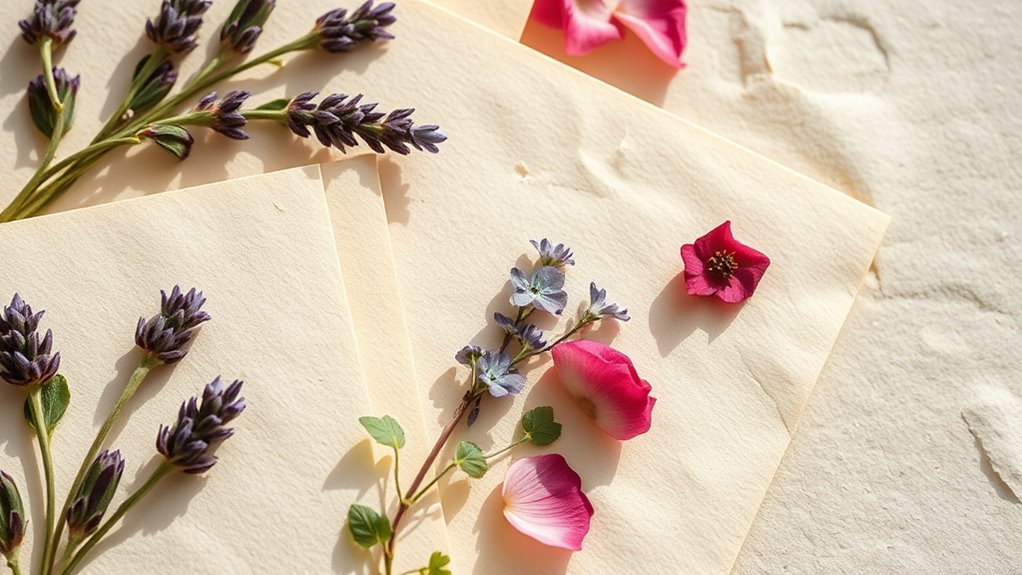
Have you ever wondered how simple sheets of paper can become beautiful, handcrafted art? One fascinating way is through botanical pressings, a technique that transforms everyday plant materials into delicate, artistic pieces. When you explore botanical preservation, you’re engaging in a process that captures the natural beauty of flowers, leaves, and other plant parts. This craft isn’t just about creating pretty decorations; it’s about connecting with nature and using eco friendly materials that respect the environment. You’ll find that making pressed botanical art is both sustainable and rewarding, especially when you choose materials that are eco conscious. Using eco friendly materials means opting for plant-based papers, natural adhesives, and biodegradable frames, which minimizes your ecological footprint. It’s a conscious effort to preserve the planet while celebrating its flora.
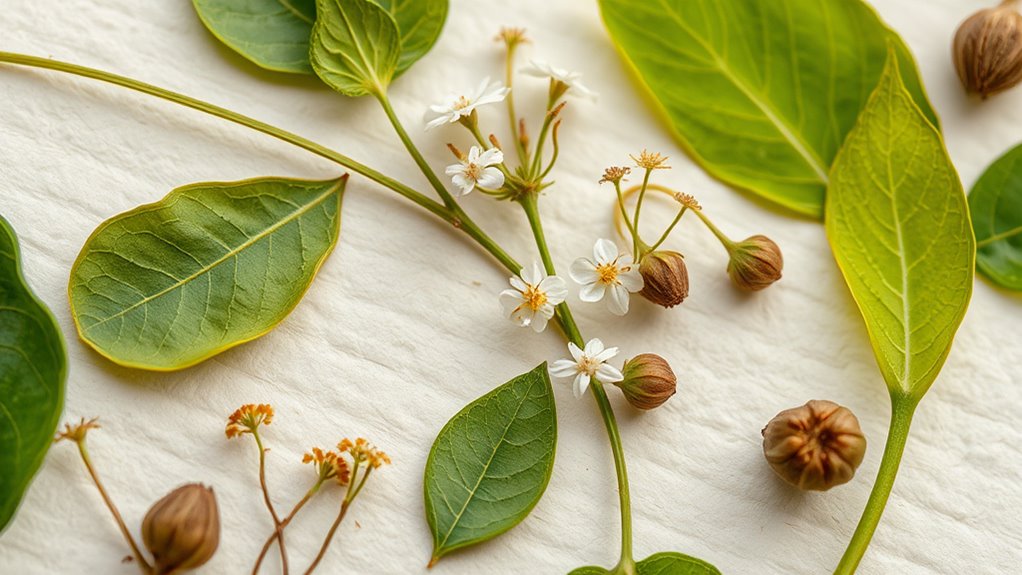
To start, you gather your botanical specimens—flowers or leaves that catch your eye. It’s best to pick fresh, healthy plants, avoiding those with too much moisture or damage. Once selected, you place the plants between sheets of absorbent paper, like hemp or recycled handmade paper, which are excellent eco friendly options. Then, you press them using a traditional flower press or even a heavy book, applying consistent pressure over several days. This process gently flattens and dries the plant material, preserving its color and intricate details. The key is patience; rushing the drying process can lead to discoloration or damage. When your botanical specimens are thoroughly pressed and dried, you can incorporate them into various crafts. For example, you might arrange pressed flowers on recycled paper to create unique greeting cards or frame them as botanical art pieces. Additionally, employing sustainable materials aligns your craft with environmentally conscious practices, reducing waste and supporting biodiversity.
The beauty of botanical preservation lies in the delicate details it captures—each vein, petal, and hue frozen in time. It’s an eco friendly craft that reduces waste, as it often repurposes materials you already have around your home. Plus, the finished pieces make thoughtful, sustainable gifts for friends and loved ones. By choosing eco friendly materials, you’re supporting environmentally conscious practices that promote biodiversity and reduce pollution. It’s a way to celebrate nature not only through art but also through mindful, responsible crafting. Whether you’re a seasoned artist or just starting out, botanical pressings offer a meaningful, eco conscious way to create stunning, handcrafted art that honors the natural world.
flower press for botanical crafts
As an affiliate, we earn on qualifying purchases.
As an affiliate, we earn on qualifying purchases.
Frequently Asked Questions
What Types of Plants Are Best for Pressing?
You should choose flat, thin plants like ferns, leaves, and small flowers for pressing. Opt for healthy, undamaged specimens with vibrant colors to guarantee the best results. When considering plant selection, avoid thick or succulent plants, as they don’t press well. Use proper pressing techniques, applying even pressure and patience, to preserve the plant’s shape and color. These methods help create beautiful botanical pressings perfect for your handmade paper crafts.
How Long Does It Take to Press Botanical Specimens?
Pressing botanical specimens generally takes about 1 to 3 weeks, depending on the plant’s thickness and moisture content. Using effective pressing techniques, like applying consistent pressure and ensuring proper airflow, helps preserve the plant’s shape and color. To speed up plant preservation, check regularly and replace moisture-absorbing materials if needed. Patience is key for achieving beautifully pressed plants that retain their natural beauty.
Can Pressed Plants Be Preserved Long-Term?
Ever wonder if pressed plants can be preserved long-term? Yes, they can, especially if you take proper care. To guarantee longevity, store them in a dry, dark place, and consider sealing them with protective sprays. Botanical art techniques like plant dyeing and pressing help maintain their beauty over time. Are you ready to create lasting botanical art that stands the test of time? With proper preservation, your pressed plants can remain stunning for years.
What Tools Are Essential for Botanical Pressing?
You’ll need essential tools like a heavy-duty plant press, blotting paper, and absorbent cardboard to master pressing techniques. When selecting plants, choose those with flat, sturdy leaves or flowers for best results. Use your press to apply even pressure, ensuring all parts are flattened properly. Keep in mind, proper plant selection and consistent pressure are key to preserving your botanical pressings beautifully and long-term.
Are There Eco-Friendly Methods for Making Handmade Paper?
You can embrace eco-friendly paper-making by recycling paper, giving old pages a new life like whispers of the past. Using natural dyes from plants, fruits, or spices adds vibrant hues without harming the environment. This gentle approach transforms waste into beautiful, sustainable art, allowing you to connect with nature’s palette while reducing your carbon footprint. It’s a mindful way to craft that respects the earth and nurtures your creative spirit.
Conclusion
By exploring botanical pressings, you can create stunning, one-of-a-kind paper crafts that showcase nature’s beauty. Did you know that the global handmade paper market is expected to grow at a compound annual rate of 5.2% through 2027? This emphasizes how your craft not only adds a personal touch but also aligns with a flourishing industry. So keep pressing, creating, and celebrating the artistry of nature—you’re part of a vibrant, sustainable movement.
Halloween Picks
halloween
As an affiliate, we earn on qualifying purchases.