
TL;DR

Get furniture and decor delivered free with Prime
- Fast, free delivery on millions of items
- Prime Video, Amazon Music and more included
- Member-only deals all year
Livingetc’s decorating report presents silver-toned metal as a growing interior-design option, with designer Felizia Berchtold describing it as an architectural material that changes with its surroundings. The report highlights chrome, stainless steel and silver leaf, but offers no market data showing how widely the approach is being adopted.
Livingetc’s report on decorating with silver makes the case for using chrome, stainless steel and silver-toned finishes as more than cool gray accents, arguing that their reflections can carry light and surrounding colors through a room. Interior designer Felizia Berchtold of Studio Tutto Bene says the materials can work as architectural features, a shift that challenges the assumption that metallic interiors must feel cold or clinical.
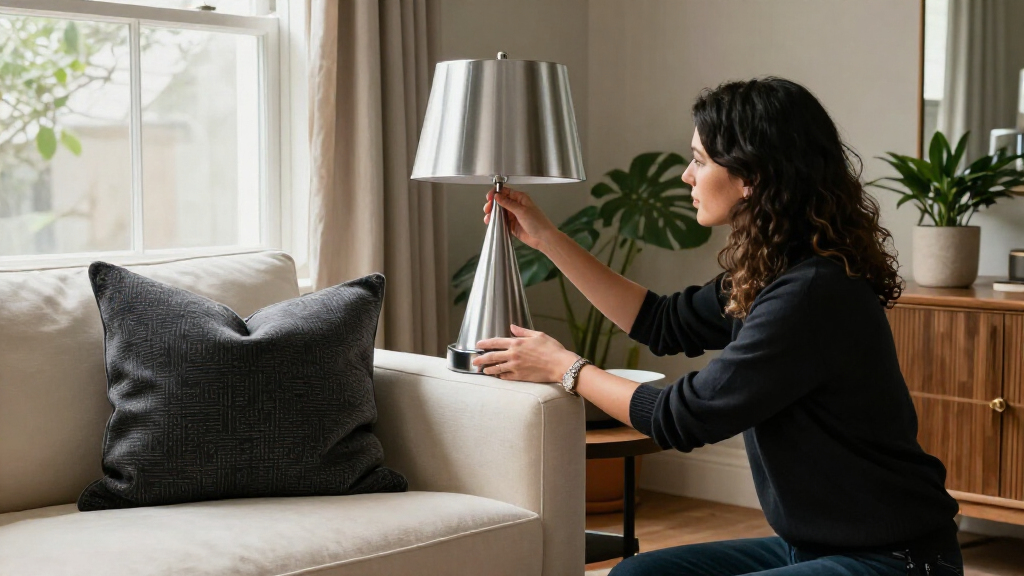
The report distinguishes silver from ordinary gray by its lustrous, metallic surface. Rather than treating it only as a paint color, it points to materials and finishes including stainless-steel cabinetry, chrome lamps and vases, brushed metals and silver leaf. These can appear as small details or cover larger surfaces.
Berchtold says reflective metal responds to its setting: it can pick up color from nearby furnishings and its appearance can shift with changing daylight. The report describes pairing silver with wood and warm tones for contrast, or with stone and cooler colors for a more coordinated effect. Black and white, Berchtold says, make the reflections especially apparent.
Examples in the report include a kitchen covered in silver leaf at Studio Tutto Bene’s Milan pied-à-terre and the use of silver finishes in kitchens and bathrooms. The article also suggests more extensive applications, such as stainless-steel cabinetry or a chrome bar, rather than limiting the material to hardware. These are design recommendations and examples, not evidence of a measured shift in consumer demand.
How Reflective Finishes Change a Room
The practical appeal described in the report is silver’s ability to act both as a finish and as a reflective surface. Instead of adding a fixed block of color, metal can echo tones already present in a room and alter how they read as light changes. That gives homeowners another way to connect different materials without introducing a new saturated hue.
The approach also reframes a familiar concern about metal interiors. Stainless steel is often associated with appliances and work surfaces, while chrome can feel stark when used without warmer materials. Berchtold’s argument is that the effect depends on the combination: pairing metal with wood, green or warm paint may soften the overall impression, while stone or monochrome surroundings can make the scheme feel cooler and more tonal. Whether a particular room feels welcoming remains a matter of design and personal taste.
Products Worth Considering

Ring Alarm Pro 14-Piece Home Security Kit with Built-In eero Wi-Fi 6 Router

Dyson Ball Animal 3 Upright Vacuum

Dreame G10 Pro Wet and Dry Vacuum Mop
As an affiliate, we earn on qualifying purchases.
From Gray Color to Metal Finish
The report places silver within a broader conversation about using materials, not just conventional hues, to bring character into interiors. It calls Glacier Silver a current design interest but does not define it as a standardized color or provide sales figures, survey results or other evidence of a market-wide trend.
It also separates silver and chrome as related but distinct impressions. Berchtold characterizes silver as carrying an association with the old world and chrome as suggesting the future. In practical decorating, however, the report focuses on contemporary metal finishes rather than requiring homeowners to use solid silver. Its examples range from small accessories to architectural surfaces, leaving the scale of application to the room and the desired effect.
“Silver-toned metallic finishes catch the light and frame it. It also borrows color from its surroundings, shifting through the day.”
— Felizia Berchtold, director and designer at Studio Tutto Bene, as quoted by Livingetc
How Broad Is the Silver Trend?
The report does not establish how many designers or homeowners are adopting silver finishes, whether interest is increasing, or how Glacier Silver is defined beyond the article’s description. Its examples and expert comments show how the look can be used, but do not amount to independent trend data.
It is also unclear how well the suggested combinations work across different rooms, lighting conditions and budgets. The article does not compare the cost, upkeep or durability of chrome, stainless steel and silver leaf, which can vary by product and application. Readers should treat claims about warmth and versatility as design judgments, not guarantees about how every space will look.
Choosing a Finish and Scale
For homeowners considering the look, the report points to kitchens and bathrooms as familiar starting places for metal hardware or a defined architectural detail. A lamp, vase or small table can offer a lower-commitment way to see how a reflective surface interacts with existing colors. Larger choices, such as full cabinetry or a silver-leaf surface, create a much stronger effect and call for consideration of the room as a whole.
The next step is to compare finishes and pairings in the intended space, including how the material looks under its actual lighting. The report does not announce a formal design launch or provide a timeline for a wider trend. Whether silver becomes a lasting neutral will depend on how designers and homeowners use it beyond the examples featured.
Key Questions
What does decorating with silver mean?
In the report, it means using silver-toned materials such as chrome, stainless steel, brushed metal or silver leaf—not simply painting a room gray.
Will silver make a room feel cold?
It can read as cool, but designer Felizia Berchtold says reflective finishes can pick up warmth and color from their surroundings. The result depends on the materials, colors and light in the room.
What colors and materials pair well with silver?
The report suggests wood and warm tones for contrast, stone and cooler colors for a more coordinated look, and black and white to emphasize reflections. It also cites green as a pairing.
How can someone try silver without covering a room in metal?
Start with a smaller element, such as a chrome lamp, vase or table, or use metal in a kitchen or bathroom detail. The report also describes larger applications, including stainless-steel cabinetry and silver leaf.
Source: livingetc.com