Creating a woven tapestry with recycled fabrics lets you craft a unique, eco-friendly artwork that reduces waste and highlights sustainable practices. By sourcing natural fibers from thrift stores, donation centers, or your closet, you bring vibrant colors, textures, and patterns to life. Using mindful techniques like pre-washing, efficient cutting, and natural dyes enhances your craftsmanship. If you keep exploring, you’ll discover how to turn even small scraps into a stunning, environmentally conscious masterpiece.

Get furniture and decor delivered free with Prime
- Fast, free delivery on millions of items
- Prime Video, Amazon Music and more included
- Member-only deals all year
Key Takeaways
- Utilize sustainable techniques like pre-washing and efficient cutting to minimize waste during tapestry creation.
- Source natural fiber fabrics from thrift stores, donation centers, or personal wardrobes for eco-friendly materials.
- Incorporate vibrant colors, textures, and patterns from recycled textiles to add visual interest and uniqueness.
- Embrace imperfections and layer textures in weaving to enhance artistic expression and authenticity.
- Highlight environmental consciousness by transforming discarded fabrics into textured, sustainable woven tapestries.
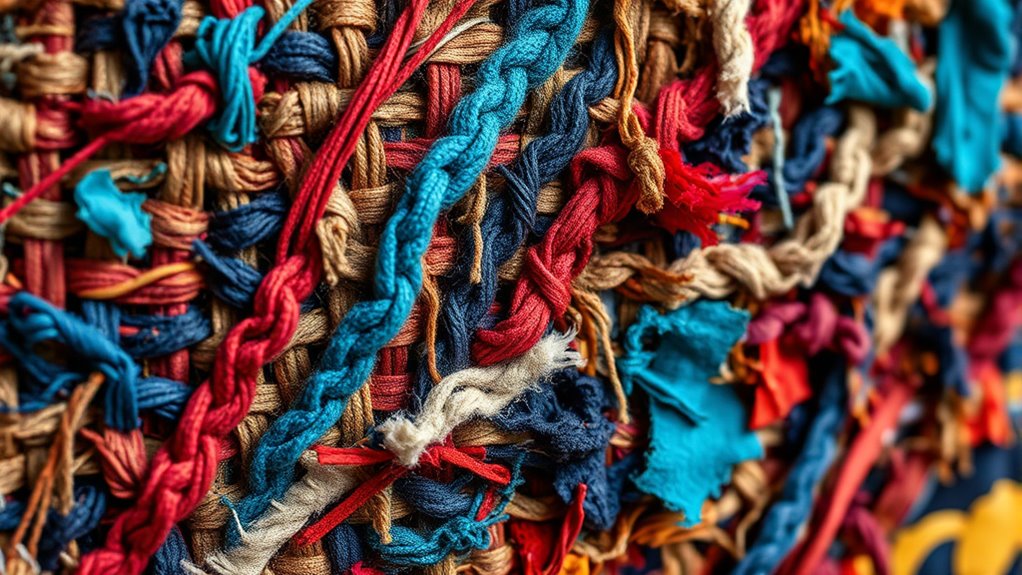
Creating a woven tapestry with recycled fabrics offers a sustainable way to craft beautiful, textured art. When you choose to work with recycled materials, you’re embracing sustainable techniques that reduce waste and lessen environmental impact. The first step is fabric sourcing—you need to find textiles that are both eco-friendly and suitable for weaving. Thrift stores, donation centers, and even your own closet can be goldmines for interesting fabrics. Look for materials like old clothing, curtains, or bed linens that have vibrant colors, unique textures, or patterns that can add character to your tapestry. Prioritize fabrics made from natural fibers such as cotton, linen, or hemp, as these are biodegradable and tend to age gracefully over time.
Once you’ve gathered your fabrics, you’ll want to think about sustainable techniques during your crafting process. For example, pre-washing your textiles not only removes any residual dyes or chemicals but also prepares the fabrics for ideal weaving. When cutting or tearing your fabrics, aim to minimize waste—use as much material as possible and consider repurposing scraps for smaller accents or embellishments. If you’re dyeing fabrics, opt for natural dyes derived from plants, vegetables, or minerals, which are less harmful to the environment compared to synthetic dyes. This approach guarantees your tapestry remains eco-friendly from start to finish.
As you begin weaving, pay attention to how you handle each piece of fabric. You might choose to weave strips directly or layer different textures to create depth. Recycled fabrics often come with imperfections or varied textures, which actually work in your favor by adding visual interest and authenticity to your tapestry. Using sustainable techniques also involves mindful tension and careful knotting to avoid unnecessary waste or damage. If you run out of a particular fabric, consider integrating complementary materials, or continue weaving with smaller scraps, turning even the tiniest pieces into part of your artistic expression. Incorporating recycled fabrics into your tapestry not only results in a unique piece of art but also promotes environmentally conscious craftsmanship. Your fabric sourcing decisions directly influence the sustainability of the project, making it more than just an aesthetic endeavor—it’s a statement about reducing waste and rethinking how we create beauty. By focusing on sustainable techniques throughout your process, from sourcing to weaving, you ensure that your tapestry embodies eco-awareness as much as artistic talent. Ultimately, this mindful approach transforms discarded textiles into a stunning, textured masterpiece that reflects your commitment to sustainability and creativity.
natural fiber fabric scraps for weaving
As an affiliate, we earn on qualifying purchases.
As an affiliate, we earn on qualifying purchases.
Frequently Asked Questions
How Durable Are Tapestries Made From Recycled Fabrics?
You’re likely to find that tapestries made from recycled fabrics are quite durable, thanks to good fabric longevity and wear resistance. While they might not be as sturdy as those made from new materials, proper care and maintenance guarantee they hold up well over time. You’ll enjoy their unique charm without worrying too much about damage, especially if you choose high-quality recycled fabrics designed for lasting beauty and resilience.
Can Recycled Fabric Tapestries Be Customized in Size and Design?
Yes, recycled fabric tapestries can be customized in size and design. You’ll find fantastic flexibility with design options, allowing you to select specific shapes, themes, and details. Customization options give you control over the tapestry’s dimensions, ensuring it suits your space perfectly. With this design flexibility, you can create unique, personalized pieces that reflect your style, making your tapestry truly tailored to your tastes and needs.
What Are the Environmental Benefits of Using Recycled Fabrics?
Using recycled fabrics offers significant environmental benefits. You actively contribute to waste reduction by giving new life to materials that might otherwise end up in landfills. This practice promotes the use of eco friendly materials, conserving resources and reducing pollution. By choosing products made with recycled fabrics, you help lower the demand for virgin resources, supporting a more sustainable and environmentally-conscious lifestyle.
How Long Does It Typically Take to Weave a Recycled Fabric Tapestry?
You might wonder about the timing considerations when weaving a recycled fabric tapestry. It generally takes anywhere from a few days to several weeks, depending on the size and complexity. Your weaving techniques, such as intricate patterns or simple stitches, greatly influence the duration. Staying patient and focusing on detail will guarantee a beautiful result, but be prepared for some variability — every piece has its own story to tell.
Are Recycled Fabric Tapestries Suitable for Outdoor Use?
Recycled fabric tapestries can be suitable for outdoor use if they’re treated for weather resistance. You should choose tapestries made from durable, weather-resistant materials and look for fade-resistant dyes to prevent color fading. Keep in mind that exposure to rain, sun, and wind may still impact their lifespan over time. Regular maintenance and protective measures help preserve their appearance and durability outdoors.
Conclusion
Just like a tapestry weaves together countless threads to create a bigger picture, your choices stitch sustainability into everyday life. When you embrace recycled fabrics, you become part of a larger story—one where each act adds richness and depth. Remember, your actions are the loom, shaping a future where beauty and responsibility intertwine. Keep weaving thoughtfully, and you’ll craft a world as vibrant and resilient as the tapestry itself.
Fall Picks
fall essentials
As an affiliate, we earn on qualifying purchases.