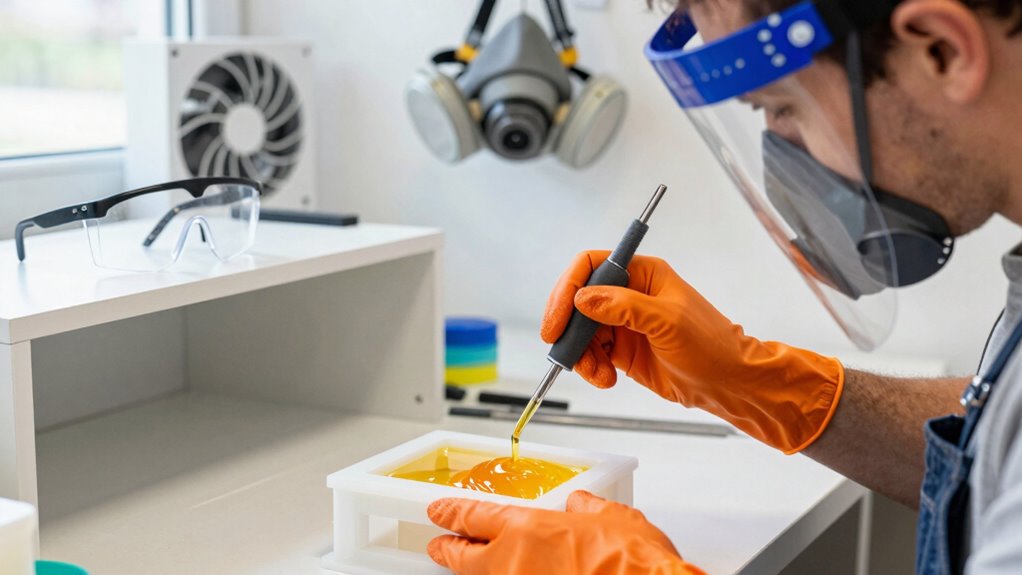

When working with resin, protecting yourself is vital. Always wear chemical-resistant gloves, goggles, and a respirator rated for fumes to shield your skin, eyes, and lungs. Make sure your workspace has proper ventilation by using exhaust fans and opening windows to disperse harmful vapors. Keep tools in good condition and dispose of resin waste properly. Staying safe minimizes health risks and keeps your projects accident-free—stick around to learn essential tips for a safer resin casting experience.

Get furniture and decor delivered free with Prime
- Fast, free delivery on millions of items
- Prime Video, Amazon Music and more included
- Member-only deals all year
Key Takeaways
- Always wear chemical-resistant gloves, goggles, and a respirator rated for fumes to protect skin, eyes, and respiratory health.
- Ensure proper workspace ventilation with exhaust fans, air filtration, and open windows to disperse harmful vapors effectively.
- Use protective clothing like aprons or lab coats to shield skin from resin splashes and prevent long-term exposure.
- Regularly inspect and replace PPE and ventilation systems to maintain safety standards during resin casting.
- Follow safety guidelines for resin disposal and monitor for allergy symptoms to minimize health risks.
As an affiliate, we earn on qualifying purchases.
Why Safety Matters When Working With Resin
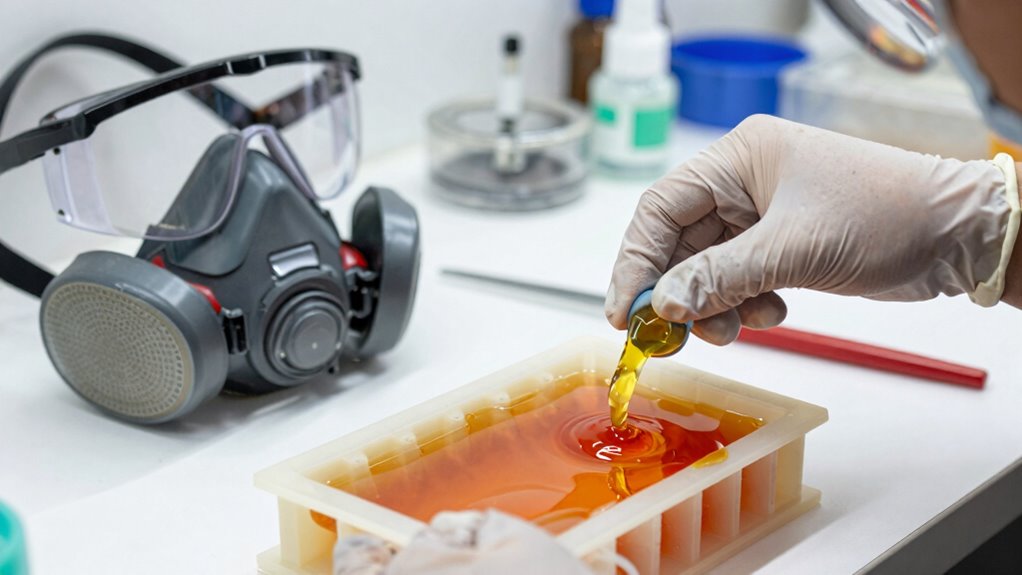
Working with resin can be rewarding, but safety should never be overlooked. Resin toxicity poses health risks if proper safety protocols aren’t followed. Inhaling fumes or getting resin on your skin can cause allergic reactions, respiratory issues, or skin irritation. Protecting yourself isn’t just about comfort; it’s about preventing long-term health problems. Always wear appropriate personal protective equipment (PPE), such as gloves and masks, to minimize exposure. Understanding resin toxicity helps you recognize potential dangers and take necessary precautions. Proper ventilation significantly reduces the buildup of harmful vapors, making your workspace safer. Implementing industry-standard safety practices ensures that you are effectively reducing risks associated with resin crafting. Ensuring proper airflow around your workspace enhances air purification, further protecting your health. Adequate training and knowledge about resin handling can help prevent accidents and exposure. Incorporating safety equipment like fume extractors and spill containment measures can further mitigate hazards. Ignoring safety measures can lead to accidental spills, chemical burns, or inhalation of harmful vapors. Prioritizing safety ensures you enjoy creating with resin while safeguarding your health, making your crafting experience both safe and enjoyable.
How to Ensure Proper Ventilation in Your Resin Workspace
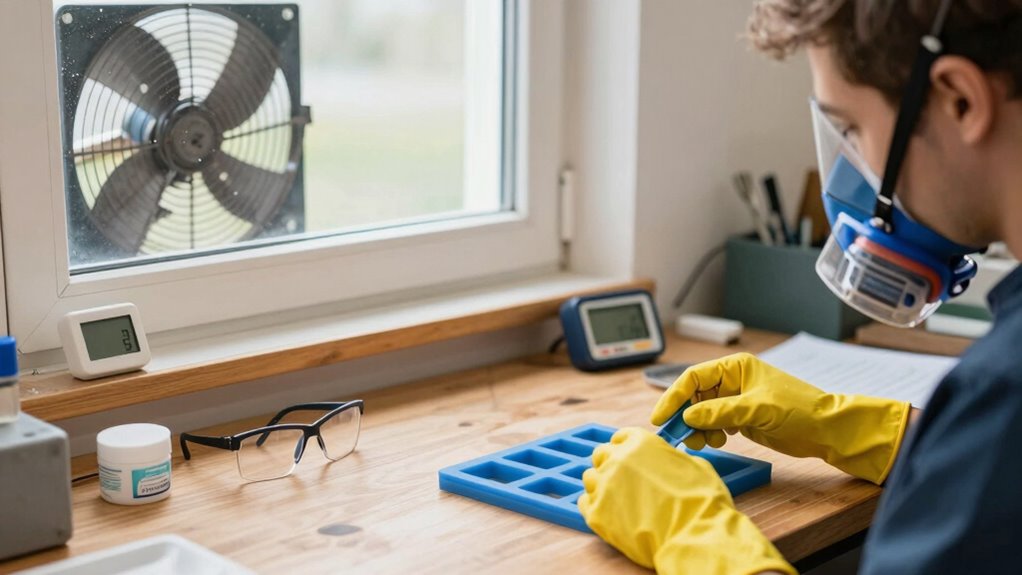
To effectively minimize exposure to harmful fumes, guaranteeing proper ventilation in your resin workspace is essential. Start by optimizing your workspace layout to promote airflow, keeping resin areas separate from other work zones. Incorporate effective air filtration systems, such as HEPA filters, to capture airborne fumes and particles. Use exhaust fans or vent hoods positioned near resin curing or mixing stations to direct fumes away from your breathing zone. Keep windows open when possible, and consider installing additional ventilation to improve air exchange. Regularly maintain and replace filters to ensure they function properly. Effective ventilation strategies can significantly enhance your workspace safety and reduce health risks. Additionally, understanding proper airflow management techniques can help disperse vapors more efficiently. Good airflow not only reduces fume concentration but also helps disperse vapors quickly, creating a safer environment for your resin work. Proper ventilation is a critical step in resin safety, and implementing ventilation best practices can further optimize your workspace environment. Incorporating proper airflow techniques can also prevent the buildup of fumes in enclosed spaces, further safeguarding your health. Ensuring adequate air exchange is vital to maintain a healthy work environment and reduce long-term health risks.
Choosing the Right PPE for Resin Safety
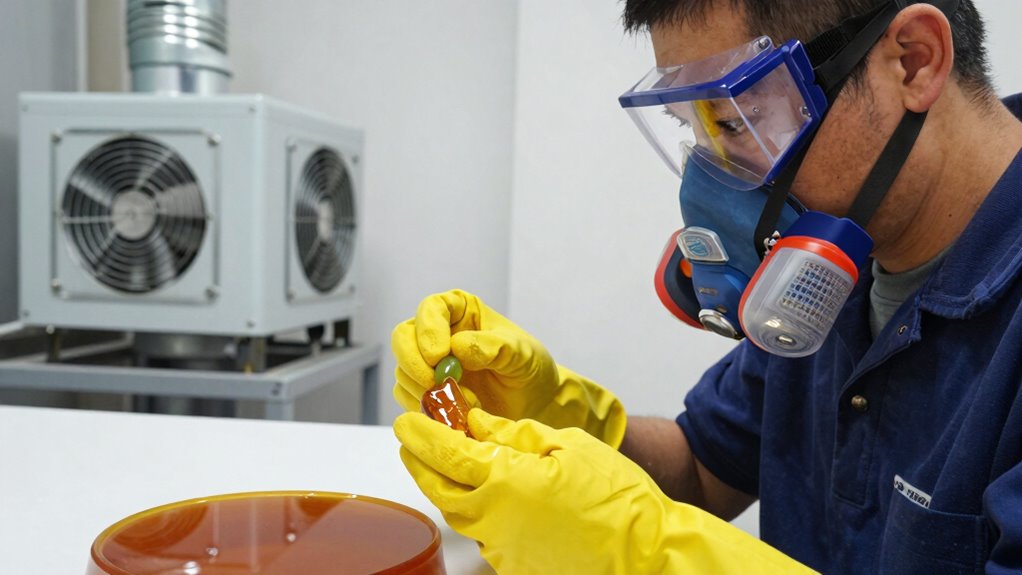
Proper ventilation plays a vital role in reducing inhalation risks, but wearing the right personal protective equipment (PPE) adds an important layer of safety during resin handling. Selecting appropriate PPE depends on understanding the hazards involved and choosing gear that offers maximum protection. For example, use chemical-resistant gloves to prevent skin contact, and a respirator rated for chemical fumes to protect your lungs. Eye protection like goggles shields against splashes, while a lab coat or apron guards your clothing. Ensuring you are aware of hazard identification can help in selecting the most effective PPE for your specific resin type. Additionally, understanding cycling safety tips can help you stay protected in different environments and situations. Considering body jewelry measurements and materials can also influence the amount of PPE needed when working in environments with varying dust or fiber exposure. Being familiar with the Vetted standards for PPE ensures you select gear that meets safety requirements and offers optimal protection.
Protecting Your Skin During Resin Casting
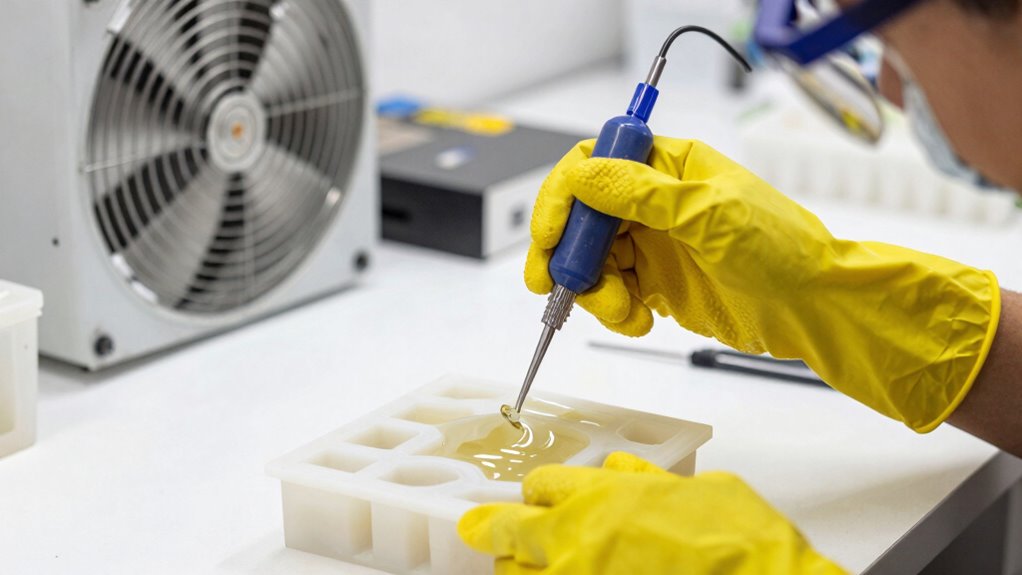
Since resin can cause skin irritation or allergic reactions, protecting your skin during casting is essential. To prevent resin skin contact, always wear appropriate gloves. Choose gloves made of chemical-resistant materials like nitrile or latex, and make certain they fit well to avoid leaks or tears. Double-gloving can add extra protection during longer sessions or when handling uncured resin. Be mindful to replace gloves if they tear or become contaminated. Remember, even small amounts of resin touching your skin can cause issues, so never skip glove selection or neglect to cover exposed areas. Proper glove use reduces the risk of skin irritation and helps maintain a safer casting environment, keeping your skin protected throughout the process. Additionally, being aware of storm safety tips can help prevent accidents or emergencies during your working environment. Incorporating proper ventilation is also crucial to reduce resin fumes and improve overall safety during casting. Ensuring your workspace has adequate personal protective equipment further minimizes health risks associated with resin casting.
Extra Tips for a Safe and Accident-Free Resin Casting Experience
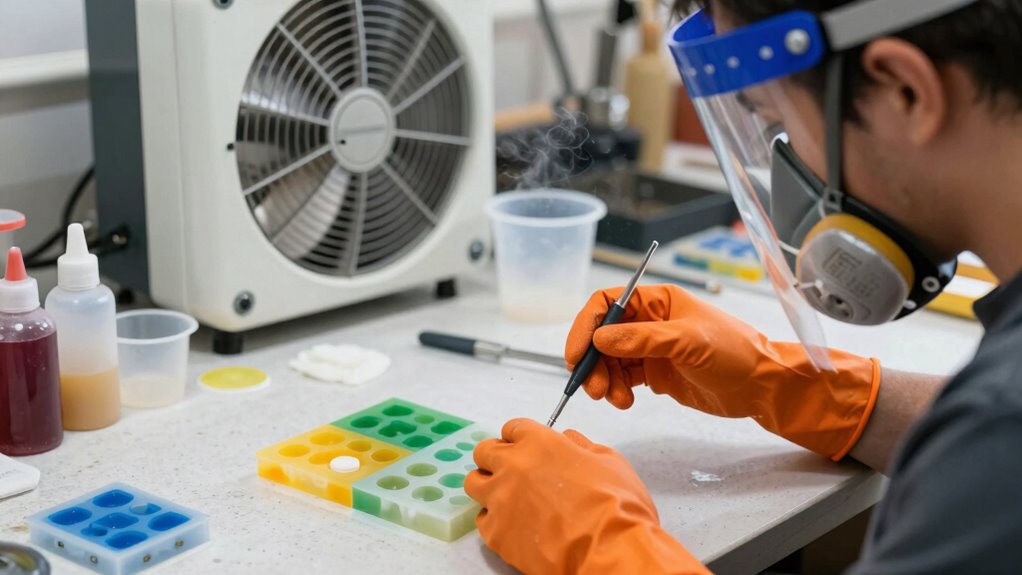
Ensuring a safe and accident-free resin casting experience requires attention to detail and proactive measures. Always plan for proper resin disposal to prevent environmental contamination and accidental exposure. Use designated containers for leftover resin and hardeners, and follow local disposal regulations. Additionally, be aware of allergy risks; some individuals may develop sensitivities to resin components. If you have allergies, wear appropriate PPE and consider testing small amounts before larger projects. Keep your workspace well-ventilated to reduce fumes and improve safety. Regularly inspect your tools and safety equipment to guarantee they’re in good condition. Being knowledgeable about toxicity risks associated with resin materials can further help you make informed safety decisions. Staying vigilant about these precautions helps you avoid accidents, health issues, and environmental harm, making your resin casting process safer and more enjoyable.
Frequently Asked Questions
What Are the Signs of Resin Skin Irritation or Allergic Reactions?
You might notice a skin rash or redness after resin contact, indicating irritation or an allergic reaction. Eye irritation can also occur, causing redness, watering, or a burning sensation. If you experience these symptoms, remove yourself from contact immediately, rinse affected areas thoroughly with water, and seek medical advice if symptoms persist. Wearing proper PPE can help prevent these reactions and keep you safe during resin casting.
Can Resin Fumes Cause Long-Term Health Issues With Repeated Exposure?
Resin fume risks can lead to long-term health issues if you’re repeatedly exposed without proper precautions. Over time, inhaling fumes may cause respiratory problems, allergies, or even more severe conditions like asthma. To protect yourself, guarantee good ventilation and wear appropriate PPE. Ignoring these precautions increases the risk of cumulative health effects, so take resin fume risks seriously and prioritize safety to avoid long-term health complications.
How Often Should PPE Be Replaced During Ongoing Resin Projects?
You should replace your PPE regularly during ongoing resin projects to guarantee safety. Check your PPE for signs of wear and tear, and follow PPE maintenance guidelines to maintain its protective qualities. Dispose of resin waste properly, and clean your gear after each use to prevent contamination. Replacing gloves, masks, and eye protection as needed helps prevent skin contact and inhalation risks, keeping you safe throughout your project.
Are There Eco-Friendly or Non-Toxic Resin Options Available?
Yes, you can find eco-friendly resins and non-toxic alternatives that dramatically reduce environmental impact and health risks. These resins are designed to be safer for you and the planet, making your projects not just creative but responsible. By choosing eco-friendly resins, you protect yourself from harmful fumes and chemicals while contributing to a cleaner, greener world. Explore these options and make your resin casting both safe and sustainable.
What Emergency Procedures Should Be Followed if Resin Spills or Splashes Occur?
If resin spills or splashes happen, you should immediately activate spill containment measures to prevent spreading. Follow proper cleanup protocols by wearing appropriate PPE, like gloves and masks, to protect yourself. Use absorbent materials to contain the spill, then dispose of it according to local regulations. Ventilate the area to disperse fumes, and wash your skin thoroughly if contact occurs. Act quickly to minimize hazards and guarantee safety.
Conclusion
Staying safe with resin isn’t just a piece of cake—it takes awareness and the right precautions. By wearing the proper PPE, ensuring good ventilation, and protecting your skin, you’ll keep accidents at bay. Remember, it’s better to be safe than sorry, so don’t cut corners. When you follow these tips, you’ll turn your resin projects into a safe and enjoyable experience. Keep your wits about you, and you’ll be casting with confidence every time.
Halloween Picks
halloween
As an affiliate, we earn on qualifying purchases.