TL;DR

Get furniture and decor delivered free with Prime
- Fast, free delivery on millions of items
- Prime Video, Amazon Music and more included
- Member-only deals all year
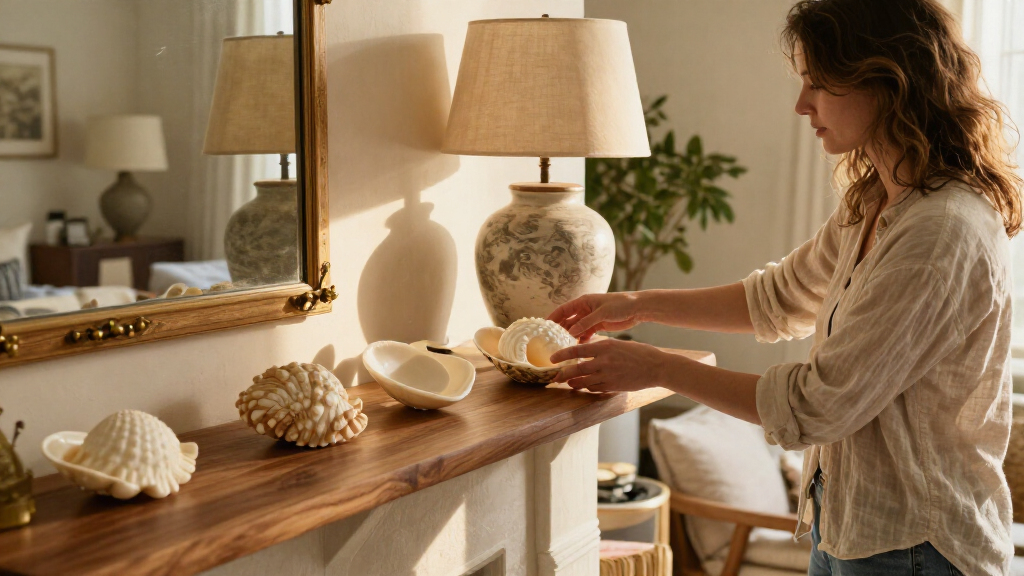
Shell motifs are appearing in new tableware and hosting collections from Westwing, L’Objet, Tavares 1922 and other design brands. The Livingetc report describes a shift away from purely beach-themed styling toward shell forms paired with polished metals, porcelain and other refined materials.
Shell-shaped tableware and dining accessories are appearing in collections from Westwing, L’Objet and other design brands, according to a Livingetc report, which describes the motif as moving beyond its traditional beach-house associations. The pieces range from a stainless-steel butter dish to porcelain and silver serving items, bringing a familiar coastal form into more polished table settings.
The report points to several recent collaborations and product collections as evidence of the trend. A Westwing collection associated with Victoria Beckham includes a shell-form stainless-steel butter dish. At L’Objet, jeweller Jessica McCormack designed a collection featuring a bisque-porcelain shell bowl with a hand-painted 24-karat-gold interior. The source describes both as examples of the shell rendered in materials and finishes associated with luxury dining and decor.
Other examples include Tavares 1922’s sterling-silver and shell salt-and-pepper cellar and ice-cream cup, Hide and Stone’s shell stemware, and silver shell-shaped salt-and-pepper shakers by Jarosinski & Vaugoin. Accessories such as Joanna Buchanan’s embellished shell place holders and embroidered conch napkins from Graham & Green extend the motif to table details. The article also identifies Gohar World as an early participant in the renewed interest, with designs combining shells, mother-of-pearl and other natural materials.
These products do not all use actual shells: some reproduce shell forms in porcelain or metal, while others incorporate natural shells. The Livingetc report presents this range as part of the motif’s appeal, with designers using texture, sculptural shapes and contrasts between organic forms and refined finishes. It does not provide sales figures or market data showing how widely consumers are adopting the trend.
Shells Move Into Formal Table Settings
The shift matters to readers interested in home design because it shows how a familiar decorative reference can be used beyond a single style. Instead of limiting shells to overtly nautical rooms or casual summer tables, the featured designs place them among polished metals, gilded porcelain and formal serving pieces. That makes the motif relevant to hosting and dining as well as coastal decor.
The examples also offer different levels of commitment. A shell-shaped dish or a set of embroidered napkins can add a small accent, while natural-shell stemware or silver serving pieces make a stronger statement. The article characterizes some items as high-end or heirloom-style pieces, but gives no prices or independent assessment of their durability, availability or value. The report is evidence of design activity, not proof of a broad consumer shift.
Products Worth Considering

Ring Wired Doorbell Plus (2nd Gen) and Chime (3rd Gen), Nickel Silver and White

Ring Battery Doorbell Plus (2nd Gen) with Chime Plus, Nickel Silver and White

Levoit Vital 100S-P Air Purifier for Home and Pets
As an affiliate, we earn on qualifying purchases.
From Coastal Motif to Crafted Object
Shell imagery has long been associated with seaside interiors and beach-themed decor. The collections described by Livingetc retain the recognizable form but change its presentation: a shell may be made in stainless steel, silver or bisque porcelain, or paired with a glass stem or a gilded interior. The result, as the report frames it, is a more sculptural and formal use of a coastal reference.
Hide and Stone founder Melissa Borovali links renewed interest to designers reinterpreting natural forms and to attention toward natural materials. She also points to the texture and variation of shells as qualities that can be explored in design. Those are her explanations, rather than independently verified causes of the trend. The report offers no timeline, sales data or survey evidence to establish when the resurgence began or how broad it is.
“Shells are having a resurgence because designers are reimagining them through a modern lens, coinciding with a broader global shift toward sustainability that is drawing people back to natural materials.”
— Melissa Borovali, founder of Hide and Stone, as quoted by Livingetc
How Broad Is the Resurgence?
The source does not establish how many brands or consumers are embracing shell motifs across the wider homeware market. It provides selected product examples and a designer’s perspective, but no sales figures, consumer research, pricing comparison or evidence that the trend will persist. It is also not clear whether every featured item is currently available, or whether the designs use natural shells, shell-inspired shapes or both in each case.
More Collections May Clarify the Trend
The report does not name a forthcoming launch, sales milestone or scheduled industry event. Readers can look to future tableware and home-accessory collections to see whether shell forms continue appearing in varied materials and settings. Availability and specifications should be checked with individual brands or retailers, particularly for pieces described as using natural shells or precious metals.
Key Questions
What is the shell tableware trend?
It is the use of shell shapes and, in some designs, natural shells in dining and hosting products, including serving pieces, stemware, napkins and place holders.
Which brands and designers are featured?
The Livingetc report cites Westwing, L’Objet, Tavares 1922, Hide and Stone, Jarosinski & Vaugoin, Joanna Buchanan, Graham & Green and Gohar World, among others.
Are the products made from real shells?
Not all of them. The examples include natural shells as well as shell forms made in stainless steel, silver or porcelain. The material varies by product, so buyers should check the individual listing.
Is the trend supported by sales data?
The source provides product examples and comments from Hide and Stone founder Melissa Borovali, but does not include sales figures or consumer research to measure the trend’s reach.
Source: livingetc.com