
Indonesian batik patterns carry deep meanings tied to culture, spirituality, and history. Symbols like the Parang show power and courage, while Kawung represents justice and purity. Prosperity themes are seen in Mega Mendung, and love and guidance are expressed through Truntum. Patterns like Tumpal symbolize fertility and spiritual harmony. Each motif reflects values important to Indonesian society. If you explore further, you’ll uncover even more stories woven into these intricate designs.
Key Takeaways
- Indonesian batik patterns symbolize cultural values such as power, justice, spirituality, prosperity, love, and community.
- Specific motifs like Parang and Kawung represent strength, purity, and balance through intricate geometrical designs.
- Cloud motifs like Mega Mendung symbolize prosperity, abundance, and community unity.
- Patterns like Truntum and Sidomukti convey love, guidance, success, and societal well-being.
- Many batik designs incorporate spiritual and natural themes, reflecting Indonesia’s cultural heritage and ancestral beliefs.
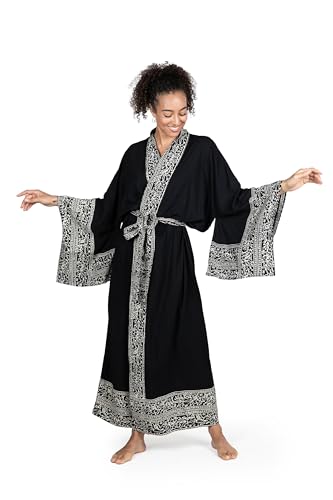
NOVICA Artisan Handmade Batik Rayon Robe Indonesian Floral Patterned Black Ivory Clothing ' Batik Midnight'
- Handcrafted by Novica Artisan: Original artisan-made product
- Authenticity Certified: Includes official certification card
- Handmade by Viktoria: Unique craftsmanship by Viktoria
As an affiliate, we earn on qualifying purchases.
As an affiliate, we earn on qualifying purchases.
The Parang Pattern: Symbol of Power and Courage

The Parang pattern, one of the most iconic designs in Indonesian batik, symbolizes power and courage. Its cultural significance runs deep, representing strength and resilience in Indonesian history. You can see how this pattern reflects artistic expression, with its sharp, diagonal lines creating a sense of movement and vitality. The design’s bold motifs convey a message of bravery, often associated with royal and warrior symbolism. When you wear or observe Parang batik, you’re engaging with a tradition that embodies perseverance and authority. Its enduring appeal highlights how batik patterns serve as a visual language, expressing collective values and personal identity. This pattern isn’t just decorative—it’s a powerful emblem of cultural pride and artistic mastery. Additionally, the intricate craftsmanship involved in creating Parang batik underscores the importance of traditional techniques passed down through generations.
Kawung: Emblem of Justice and Purity
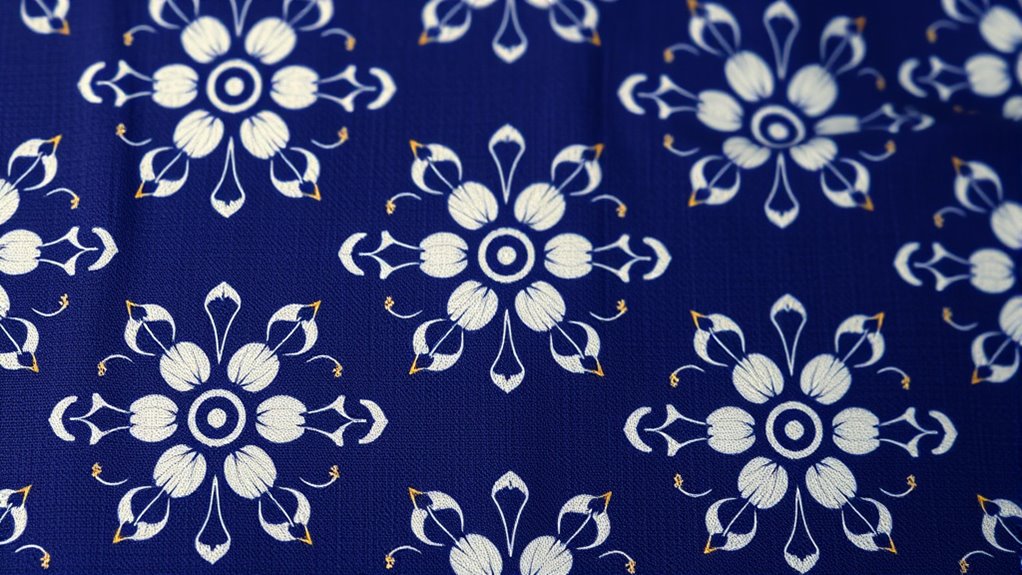
The Kawung pattern symbolizes justice and reflects a sense of purity and balance in traditional Indonesian culture. Its geometric motifs embody harmony and order, making it more than just a decorative design. By understanding its meaning, you can appreciate how this pattern conveys deeper cultural values.
Symbolic of Justice
Kawung patterns symbolize justice and purity in Indonesian batik, embodying deeper cultural values. Their design reflects ethical symbolism, emphasizing fairness, honesty, and moral integrity. Historically, the kawung motif holds significant importance, linked to the royal courts and traditional governance, embodying the ideals of justice upheld by leaders. When you wear batik with this pattern, you’re embracing a visual representation of moral uprightness and societal harmony. The intricate geometric arrangement of the kawung pattern serves as a reminder of the importance of balance and fairness in life. Its symbolism encourages individuals to uphold ethical standards while honoring Indonesia’s rich cultural heritage. Understanding the symbolic components of the kawung pattern allows for a deeper appreciation of its meaning. By understanding its meaning, you connect more deeply with the values of justice and integrity embedded in Indonesian tradition.
Represents Purity and Balance
Wearing batik with the kawung pattern allows you to express both purity and balance, qualities highly valued in Indonesian culture. This pattern’s spiritual symbolism reflects a harmony between mind and spirit, emphasizing moral integrity and inner calm. As a part of Indonesia’s rich cultural heritage, kawung embodies the pursuit of purity in actions and thoughts, symbolizing a fresh start and clarity. Its symmetrical, circular motifs evoke a sense of equilibrium, reminding you to maintain harmony in life. By choosing kawung, you connect yourself to ancient traditions that honor justice and righteousness. This pattern’s significance goes beyond aesthetics—it’s a visual reminder to uphold moral virtues, fostering spiritual balance and reinforcing your link to Indonesia’s enduring cultural values. Recognizing the symbolic meaning behind kawung can deepen your appreciation of its cultural importance and inspire personal growth.
Traditional Geometric Motifs
Traditional geometric motifs like kawung serve as powerful symbols of justice and purity in Indonesian batik. You can see how these patterns reflect cultural influences rooted in ancient traditions and spiritual beliefs. Artists use specific techniques to create precise, symmetrical designs that evoke harmony and balance. The kawung pattern features concentric circles and intersecting lines, symbolizing unity and the cyclical nature of life. Imagine a 3×3 grid illustrating this motif:
| ● | ● | ● |
|---|---|---|
| ● | ● | ● |
| ● | ● | ● |
These motifs are crafted with meticulous craftsmanship, emphasizing artistic techniques that highlight symmetry and clarity. The geometric simplicity masks deep cultural meanings, making kawung a timeless emblem of justice and purity in Indonesian batik. Incorporating cultural symbols like kawung enhances the cultural intelligence of those working with diverse traditions.
Mega Mendung: Representing Cloud and Prosperity

You’ll see that Mega Mendung patterns symbolize clouds, which are seen as carriers of blessings in Indonesian culture. These patterns also represent prosperity and abundance, reflecting hopes for a thriving future. Their cultural significance highlights the deep connection between nature and community in Indonesia. Incorporating meaningful symbols into batik designs enhances their cultural value and preserves traditional stories.
Symbol of Cloud Symbolism
Have you ever wondered what the cloud motifs in Indonesian batik symbolize? These designs represent more than just atmospheric phenomena; they embody hopes for good fortune and harmony. The Mega Mendung pattern illustrates cloud formations that suggest movement and change, reflecting life’s constant flow. Here are three key meanings behind this motif:
- Prosperity – Clouds are believed to bring wealth and success.
- Protection – They symbolize divine protection from misfortune.
- Unity – The interconnected cloud patterns foster a sense of community and harmony.
- The color symbolism in the pattern also emphasizes the cultural significance of the design.
Prosperity and Abundance
The Mega Mendung pattern in Indonesian batik vividly symbolizes prosperity and abundance, reflecting the community’s hopes for wealth and success. As a piece of cultural symbolism, it represents more than just clouds; it embodies the idea of plentiful harvests, financial growth, and continuous good fortune. The intricate design, with its flowing cloud motifs, signifies wealth symbolism rooted in tradition, emphasizing the importance of prosperity in daily life. Wearing or gifting batik with this pattern can convey wishes for abundance and success. Its vibrant, layered shapes evoke a sense of overflowing riches, reminding you of the community’s collective desire for material and spiritual prosperity. Additionally, these motifs are often inspired by traditional cultural meanings, enhancing their significance in Indonesian society. Overall, Mega Mendung stands as a powerful visual expression of prosperity deeply embedded in Indonesian cultural values.
Cultural Significance in Indonesia
In Indonesia, the Mega Mendung batik pattern holds deep cultural significance as a symbol of prosperity and hope. Batik is more than fabric; it’s a form of cultural identity that connects generations. You’ll find Mega Mendung used in traditional ceremonies, highlighting its importance. Its cloud motif signifies unity and the promise of a bright future. Here’s why it matters:
- It preserves cultural heritage by showcasing traditional craftsmanship.
- It plays a key role in Indonesian ceremonies, symbolizing blessings and prosperity.
- It reinforces community identity, linking wearers to their cultural roots.
When you wear or observe Mega Mendung, you participate in a tradition that celebrates Indonesian history, spirituality, and shared values. It’s a powerful emblem of cultural pride and collective hope.
Truntum: Signifying Love and Guidance
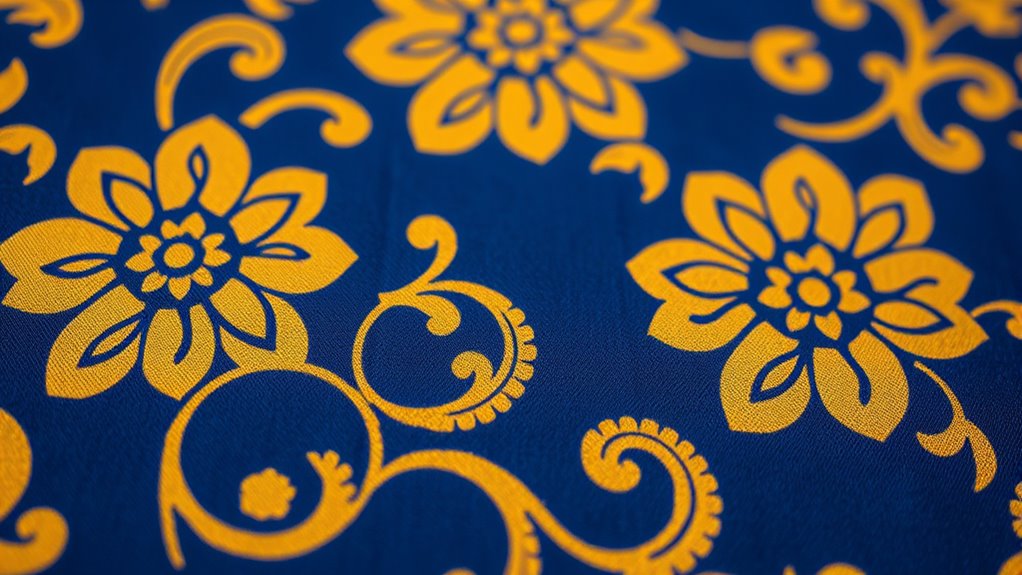
What makes the Truntum pattern stand out among Indonesian batik designs is its powerful symbolism of love and guidance. This pattern reflects deep cultural symbolism, often worn to convey affection and to offer comfort during important life events. Its intricate motifs are crafted through traditional craftsmanship, showcasing skilled artisans’ mastery in weaving meaningful stories into fabric. The design’s repetitive motifs symbolize enduring love and the guidance offered by elders, making it a meaningful choice for weddings and family gatherings. As you wear Truntum, you carry a message of nurturing relationships and guiding loved ones through life’s journey. Its rich symbolism and craftsmanship highlight the cultural importance of batik as a vessel for expressing emotional bonds and societal values. Additionally, the use of AI-powered data analysis in traditional textile design processes can help artisans better understand and preserve these meaningful patterns.
Sidomukti: Denoting Prosperity and Success

Have you ever noticed how Sidomukti patterns radiate an aura of prosperity and success? These designs symbolize well-being and achievement, making them popular choices in batik patterns in modern fashion. When you wear Sidomukti, you connect with Indonesia’s cultural identity and its rich heritage. Here are three key points to appreciate about Sidomukti: 1. Its intricate motifs represent abundance and progress, often worn during celebrations and important events. 2. The pattern’s vibrant, symmetrical design embodies harmony and growth. 3. Incorporating Sidomukti into contemporary batik styles highlights its relevance, blending tradition with modern trends. Additionally, the enduring cultural significance of such patterns ensures they continue to promote cultural narratives in Indonesia.
Tumpal: A Symbol of Spirituality and Fertility
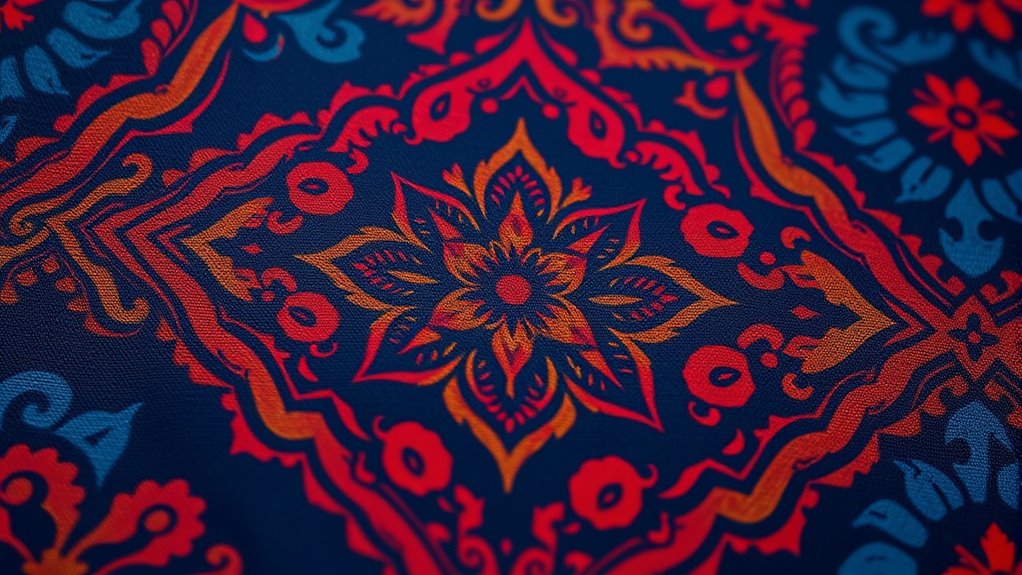
Tumpal patterns are deeply rooted in Indonesian culture, symbolizing spirituality and fertility. As part of the batik craft, this motif often appears in traditional textiles, representing the connection between the physical and spiritual worlds. The Tumpal’s pointed shapes resemble a divine arrow or a spiritual gateway, emphasizing its spiritual symbolism. You’ll notice this pattern’s significance in rituals and ceremonies, where it’s believed to invoke protection and blessings. Its repetitive geometric form reflects harmony and the cycle of life, reinforcing its role as a symbol of fertility. When you wear or create batik with Tumpal motifs, you carry a piece of Indonesia’s spiritual heritage, connecting to ancestral beliefs and the universal quest for spiritual growth and abundance.
Kawung: The Classic Motif of Balance and Harmony
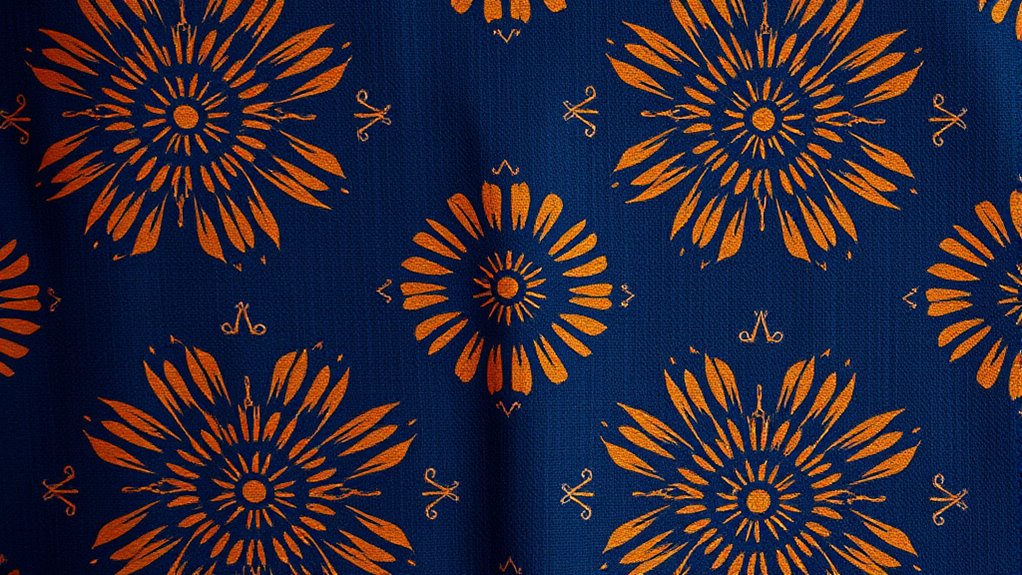
Kawung is a timeless batik motif that embodies balance and harmony, reflecting Indonesia’s cultural ideals. Its symbolism of kawung often represents the universe’s balance, purity, and spiritual harmony. You’ll notice variations in kawung design, each adding its unique touch: some feature four-petaled circles, while others expand into complex geometric patterns. These variations help convey different meanings or suit specific occasions. When exploring kawung, consider these aspects: 1. The symbolism of kawung as a representation of spiritual balance and purity. 2. How different variations in kawung design reflect regional or cultural nuances. 3. Its enduring appeal as a classic motif symbolizing harmony in Indonesian culture. Additionally, the use of traditional motifs like kawung plays a significant role in preserving cultural heritage and identity. Understanding these elements enhances your appreciation of this elegant pattern’s depth and significance.
Lereng: Patterns Inspired by Nature and Agriculture
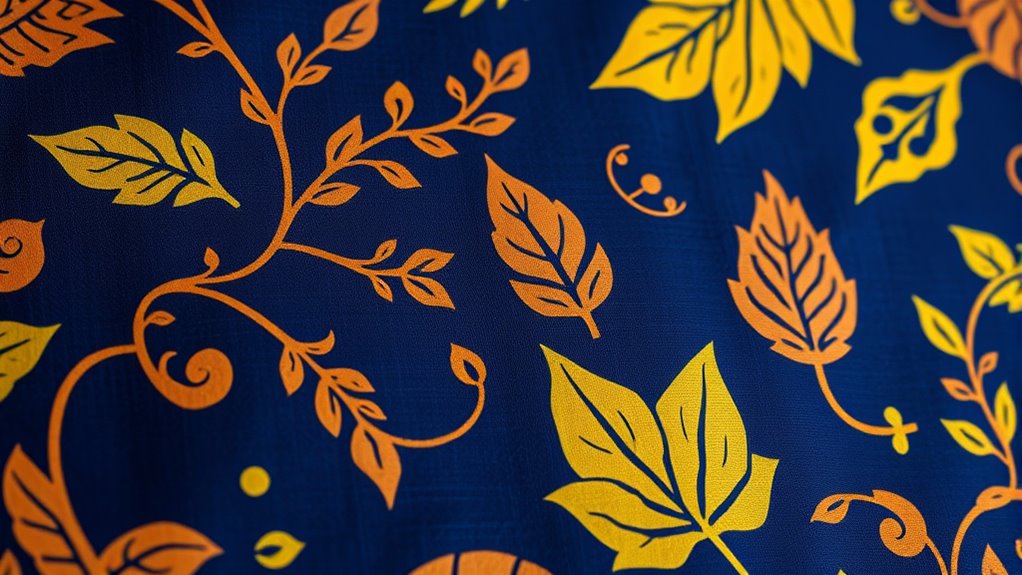
Lereng patterns draw inspiration directly from the natural landscape and agricultural practices that are integral to Indonesian life. You’ll notice these designs feature nature-inspired motifs, such as leaves, vines, and flowing lines that mimic the terrain and flora of the region. These patterns also incorporate agricultural symbols like rice stalks, which represent fertility and abundance, and other crop-related imagery that highlight the importance of farming in local culture. By using bold, sweeping lines and organic shapes, Lereng batiks reflect the harmony between humans and their environment. These patterns serve as visual stories, emphasizing the close relationship between daily life, nature, and agricultural traditions in Indonesia. They remind you of the land’s essential role in shaping cultural identity. Additionally, the use of traditional textile techniques in creating Lereng patterns demonstrates the skill and craftsmanship passed down through generations, further connecting these designs to cultural heritage.
Ceplok: The Geometric Design of Unity and Protection
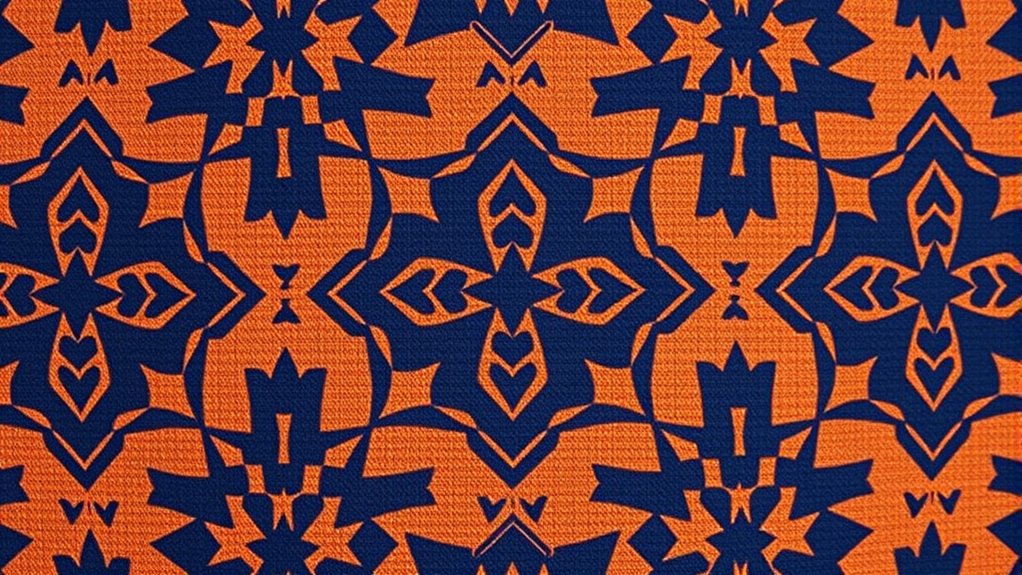
While Lereng patterns celebrate the natural world and agricultural life, Ceplok shifts focus to geometric designs that symbolize unity and protection. You’ll notice that the Ceplok pattern uses precise, repetitive shapes representing harmony and strength. Batik color symbolism plays a crucial role here; for example, black signifies protection, while white represents purity. The batik craftsmanship techniques involve wax-resist dyeing, creating sharp, symmetrical motifs that emphasize order. To appreciate Ceplok, consider these aspects:
- The geometric shapes reflect spiritual and communal unity.
- The symmetrical design embodies balance and protection against evil.
- The vibrant color choices enhance the pattern’s symbolic meaning.
- Recognizing the design principles used in Ceplok can deepen your appreciation for its cultural significance.
Frequently Asked Questions
How Are Batik Patterns Traditionally Created and Passed Down?
You learn that batik patterns are traditionally created through intricate craftsmanship techniques like wax-resist dyeing, passed down through generations. As you observe, artisans use specific wax and dye methods, preserving cultural significance with each design. These techniques are often taught within families or communities, ensuring the artistry and symbolism remain alive. By practicing these methods, you help keep the rich heritage of batik patterns and their meanings thriving across generations.
What Occasions Are Specific Batik Patterns Typically Worn?
You typically wear specific batik patterns for special occasions and ceremonial attire, such as weddings, official events, or cultural festivals. These patterns often symbolize status, heritage, or particular meanings. For everyday wear, simpler and more subdued batik designs are common, allowing you to incorporate tradition into daily life comfortably. Whether formal or casual, choosing the right pattern helps you honor cultural customs and express personal style effortlessly.
Do Different Regions Have Unique Variations of These Patterns?
You’ll notice that regional diversity shines through in batik pattern variations, making each area’s designs uniquely expressive. While some motifs are shared across regions, others are deeply rooted in local culture and history. These differences highlight how geography influences artistry, giving each variation a distinct identity. So, yes, different regions have their own unique patterns, reflecting local traditions, beliefs, and stories, making batik a rich tapestry of Indonesian cultural diversity.
How Do Colors Influence the Meaning of Batik Motifs?
Colors in batik motifs carry deep meaning through color symbolism and color psychology. When you see vibrant reds, it often signifies bravery or passion, while blues evoke calmness and serenity. Darker hues like black represent sophistication or mystery. You should consider these emotional and cultural associations, as they influence how people interpret the motifs. The colors you choose can enhance the message or significance behind each batik design.
Can Modern Designs Incorporate Traditional Batik Patterns?
Yes, you can definitely incorporate traditional batik patterns into modern designs. Fusion fashion often blends these timeless motifs with contemporary styles, creating unique and stylish pieces. By adapting traditional batik patterns into contemporary adaptations, you preserve cultural heritage while making the designs relevant today. You’re encouraged to experiment with colors, shapes, and fabric choices to make traditional motifs stand out in modern fashion trends.
Conclusion
Did you know that over 80% of Indonesians still wear batik for special occasions? By exploring these patterns, you gain insight into the rich cultural stories woven into each design. Whether it’s the Parang’s symbol of power or Kawung’s emphasis on harmony, these motifs connect you to centuries of tradition. Embrace these patterns and keep Indonesia’s vibrant heritage alive, one beautiful batik piece at a time.