TL;DR
Interior designers interviewed by Apartment Therapy say pursuing a “timeless” look can leave a home bland when it means avoiding color, personal objects or the home’s existing architectural character. Their advice is to choose details that reflect the people who live there and work with the space rather than copy a style wholesale.
Interior designers say trying to make a home look timeless can strip away the very qualities that give it character, particularly when homeowners rely on an all-neutral palette, avoid personal objects or impose a style that fights the home’s architecture. In an article for Apartment Therapy, designers recommend treating timelessness as a personal approach—not a fixed formula—and adapting inspiration to the home and its residents.

Get furniture and decor delivered free with Prime
- Fast, free delivery on millions of items
- Prime Video, Amazon Music and more included
- Member-only deals all year
The advice comes as traditional interiors, including English cottage-inspired rooms and looks associated with filmmaker Nancy Meyers, are popular. Apartment Therapy writer Kelsey Mulvey reports that the appeal of a home designed to last beyond a trend can lead people to mistake restraint for a requirement to avoid color and distinctive choices. Designers interviewed for the story say that approach can make interiors feel predictable rather than enduring.
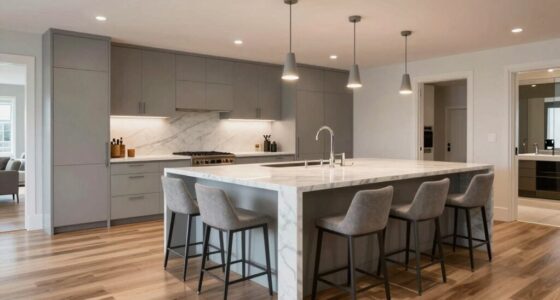
Neutral colors are not automatically timeless, according to designers Liz Potarazu and Dijana Savic-Jambert. Potarazu says a room dominated by similar shades of cream or beige can feel tied to a particular design moment, while Savic-Jambert cautions that removing color does not eliminate the possibility of a poor choice. Their suggested alternative is not necessarily a fully saturated room: a bolder color within a neutral palette can add individuality.
Designers also say that personal objects and collected pieces need not be excluded from a classic-looking home. Grace Rosenstein, founder and design principal of Atelier Roan, says a home should reflect its residents, their collections and their experiences. Sydelle Reed, an interior designer in Jersey City, encourages homeowners to keep meaningful inherited pieces or choose an unusual chair even if it does not match everything else.
The third concern is copying a traditional look without considering the home itself. Savic-Jambert says designers and homeowners can misread a space by imposing a preferred aesthetic instead of recognizing the features already present. Reed adds that adding traditional details such as wall molding to a modern room is a choice, not a guarantee of longevity. The designers recommend drawing inspiration from styles selectively and building around materials or features that suit the home.
Why a Timeless Home May Lack Character —and what you can change
Avoiding every distinctive choice does not guarantee a lasting look. Designers recommend adapting inspiration to the people and architecture of the home.
Three choices that can flatten a room
A timeless look can become a rigid formula when it excludes color, personal objects or the home’s existing character.
Neutrals are not a rule
A room of similar creams or beiges can feel tied to a design moment. A bolder accent can add individuality.
Keep meaningful pieces
Collected and inherited objects can reflect residents’ experiences and give a home character.
Work with the space
Traditional details do not guarantee longevity when they fight the home’s existing style and features.
Start with the home you have
Use other interiors as inspiration, then make choices that suit the room and its residents.
Identify the room’s architectural features and materials.
Consider whether color or a meaningful object belongs in the room.
Make changes that reflect your life and work with the space.
Personality Can Outlast a Palette
The advice matters to homeowners who want rooms to feel lasting but worry that any distinctive decision will date quickly. The designers’ central point is that avoiding every trend does not guarantee longevity; a home can still look tied to a moment if it follows a uniform neutral look or reproduces a popular style too literally.
There is also a practical implication for decorating decisions: people do not have to replace meaningful possessions or redesign an entire home to make it feel more considered. A personal object, a color accent or a feature that acknowledges the house’s existing character can make a room feel more individual. These are design recommendations, not evidence that one palette or approach lasts longer; the article offers expert perspectives rather than measurements or a formal study.
Products Worth Considering

Roborock Q10 S5+ Robot Vacuum and Mop with 10,000 Pa Suction

Dyson V8 Cyclone Cordless Vacuum

LEVOIT Vital 200S-P Smart Air Purifier for Large Rooms, White
As an affiliate, we earn on qualifying purchases.
The Search for Timeless Interiors
Apartment Therapy frames the advice against the popularity of traditional and nostalgic interiors, including cozy English cottage references and Nancy Meyers-inspired rooms. The article says the current interest in those looks has also contributed to an emphasis on making homes appear “timeless.” It does not provide sales figures, survey data or a timeline measuring the trend.
The designers’ comments address three choices that can follow from that goal: limiting color to neutrals, removing personal touches in favor of broadly appealing decor, and adding traditional details without considering a home’s architecture. Their alternative is to use inspiration as a starting point, then adapt it to the residents and the space.
““‘Timeless’ can become an excuse to play it so safe that you take all the personality out of it.””
— Sydelle Reed, an interior designer in Jersey City
Advice, Not a Design Test
The article reports professional opinions and recommendations; it does not establish a single definition of timeless design or show that particular colors and objects will remain appealing for a set number of years. It also does not compare the designers’ advice with homeowner surveys, renovation costs or resale outcomes.
What will feel personal or harmonious depends on the residents and the particular home. The article does not prescribe a specific color, a required number of personal objects or a rule for when traditional features belong in modern spaces. Its recommendations leave those decisions to individual circumstances.
Start With the Home You Have
The practical next step, based on the designers’ guidance, is to look at the room before buying a new style into it: identify its existing architectural features and materials, then decide which ones to emphasize. Homeowners can consider whether a neutral palette needs a stronger color, whether personal or inherited objects have been sidelined, and whether proposed details suit the home rather than simply echo a trend.
The article does not announce a product launch, design program or follow-up event. Its advice is for readers to make choices gradually and selectively, keeping the focus on what reflects their lives and works with the space. Whether a particular design feels lasting remains a matter of personal taste, not a result the article claims can be guaranteed.
Key Questions
Does a timeless home have to use neutral colors?
No. The designers quoted by Apartment Therapy say neutral colors do not automatically make a room timeless. They suggest adding a bolder color if it better reflects the people who live there.
Should personal and inherited objects be left out of classic interiors?
No. The designers argue that collected, inherited and personally meaningful pieces can give a home character. They do not say every item will suit every room, but advise against removing personal touches just to follow a formula.
Can traditional molding make a modern room feel timeless?
It can be a deliberate design choice, but Reed cautions that adding wall molding is not a guarantee of longevity. The article recommends considering the home’s existing style and features before adding traditional details.
What does the article recommend instead of copying a style?
The designers recommend taking inspiration from other interiors but adapting it to the home and its residents. Savic-Jambert suggests establishing a foundation through materials or key features already present, rather than reproducing a look wholesale.
Source: apartmenttherapy.com