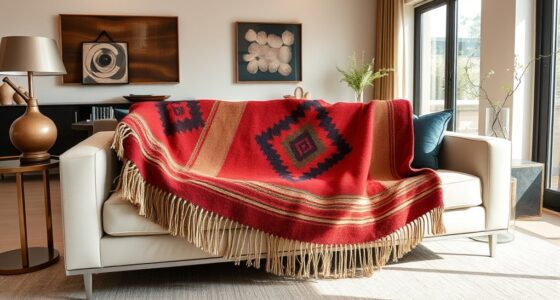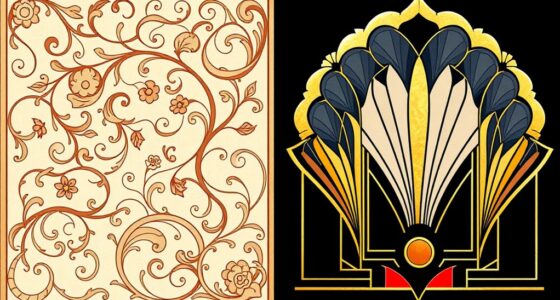
Moroccan patterns and textiles showcase a vibrant history rooted in cultural storytelling, with motifs inspired by Islamic art symbolizing unity and protection. These textiles are crafted using traditional handweaving techniques passed down through generations, often from natural fibers like wool, cotton, or silk dyed with vivid plant and mineral dyes. They’re used in decor as rugs, cushions, or wall hangings, adding warmth and character while preserving Moroccan heritage. To learn more about their deep symbolism and craftsmanship, keep exploring this fascinating art form.
Key Takeaways
- Moroccan textiles showcase a rich cultural heritage through symbolic motifs inspired by Islamic art and local traditions.
- Handwoven using techniques like tapestry and flat weaving, emphasizing craftsmanship and authenticity.
- Made from natural fibers such as wool, cotton, and silk, dyed with vibrant plant and mineral dyes.
- Features geometric and regional motifs that represent concepts like protection, unity, and community identity.
- Widely used in decor as rugs, cushions, and wall hangings, adding warmth, character, and cultural depth to interiors.
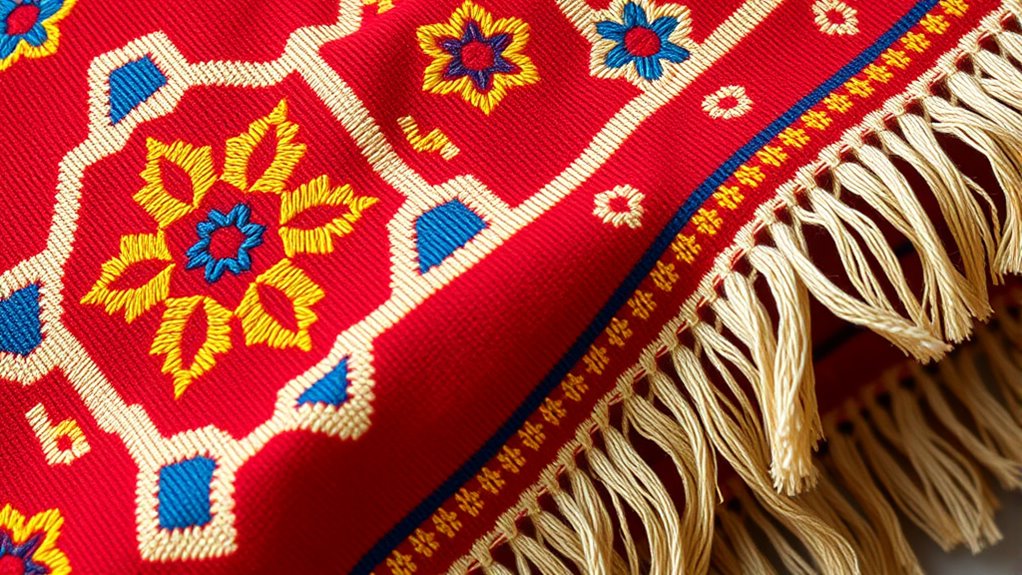
Moroccan patterns and textiles are a vibrant reflection of the country’s rich cultural heritage and artistic ingenuity. When you look closely at these textiles, you’ll notice the intricate craftsmanship behind each piece, which is rooted in traditional weaving techniques passed down through generations. These techniques involve meticulous handwork, where artisans use specific methods to weave threads into complex, durable fabrics. The process often includes techniques like tapestry weaving and flat weaving, which allow for the creation of detailed patterns and textures. As you observe the textiles, you’ll see that the craftsmanship isn’t just about functionality; it’s a form of storytelling. Every textile is a canvas for symbolic motifs that carry cultural, spiritual, or social meaning, making each piece unique and significant. Understanding these techniques deepens your appreciation for their artistry and cultural importance.
Moroccan textiles showcase intricate craftsmanship and symbolic motifs rooted in cultural storytelling and traditional weaving techniques.
The traditional weaving techniques used in Moroccan textiles are more than just methods—they’re a essential part of the country’s identity. You might notice the use of natural fibers such as wool, cotton, or silk, which are carefully spun and dyed with vivid colors. These dyes often come from local plants and minerals, giving the fabrics their distinctive hues. The weaving process itself requires patience and skill, as artisans carefully align threads to produce symmetrical patterns and durable fabrics. These techniques have remained largely unchanged over centuries, preserving the authenticity and cultural significance of each textile.
Symbolic motifs are another crucial aspect of Moroccan textiles. These motifs are often geometric, featuring star shapes, diamonds, or interlocking lines. You’ll find that many patterns are inspired by Islamic art, featuring intricate, repeating designs that symbolize concepts like unity, protection, or fertility. Some motifs are specific to certain regions or tribes, acting as identifiers of community or social status. When you incorporate Moroccan textiles into your decor, you’re not just adding color and texture—you’re also bringing in layers of meaning and tradition. These motifs can serve as visual stories, connecting you to the history and spirituality of Moroccan culture.
In your space, Moroccan textiles can serve as vibrant focal points or subtle accents, thanks to their rich patterns and symbolic motifs. Whether used as rugs, wall hangings, or cushions, they introduce warmth, character, and a sense of tradition. Understanding the craftsmanship behind these textiles helps you appreciate their beauty and cultural depth, making your decor not just stylish but also meaningful. By embracing these textiles, you’re preserving an age-old art form and celebrating Morocco’s enduring artistic legacy.

COTTON CRAFT Cotton Chindi Rag Rug – Boho Farmhouse Rustic Area Accent Throw Rug – Handwoven Reversible Natural Recycled Yarn Carpet – Living Room Kitchen Entrance Home Gift – 20 x 32 in – Multi Color
CONTENTS: One (1) COTTON CRAFT Handwoven Reversible Cotton Chindi Accent Rug in Multicolor, measures 20 inch x 32…
As an affiliate, we earn on qualifying purchases.
As an affiliate, we earn on qualifying purchases.
Frequently Asked Questions
How Are Traditional Moroccan Textiles Sustainably Produced Today?
You can guarantee traditional Moroccan textiles are sustainably produced by choosing brands that prioritize sustainable sourcing and eco-friendly dyes. These producers often work directly with local artisans, using natural fibers and dyes derived from plants, minerals, and insects. By supporting such practices, you help reduce environmental impact, promote fair labor, and preserve cultural heritage. Always look for certifications or transparent sourcing info to verify the textiles’ eco-conscious origins.
What Are the Regional Variations in Moroccan Textile Patterns?
You’ll notice regional diversity in Moroccan textile patterns, with each area showcasing unique motifs and designs. For example, the Atlas Mountains feature geometric shapes symbolizing protection, while the Sahara regions display vibrant, abstract patterns reflecting nature. These variations in motif symbolism highlight local traditions and beliefs, giving each textile a distinct cultural identity. Exploring these regional differences helps you appreciate the rich heritage woven into Moroccan textiles.
How Do Moroccan Patterns Influence Contemporary Fashion Design?
You see Moroccan patterns inspiring contemporary fashion design by adding vibrant, intricate details that stand out. These patterns influence bohemian fashion, creating a sense of free-spirited elegance. Designers incorporate Moroccan motifs through textile innovation, blending traditional and modern styles seamlessly. This fusion results in unique pieces that celebrate cultural heritage while appealing to modern aesthetics. Your wardrobe can reflect this rich history, making your style both authentic and trendy.
What Are the Symbolic Meanings Behind Specific Moroccan Motifs?
You see that symbolic motifs in Moroccan designs often represent protection, fertility, and spirituality. For example, the hand-shaped “Khamsa” is believed to ward off evil, while geometric patterns symbolize unity and infinity. These motifs carry deep cultural significance, connecting you to Moroccan traditions and beliefs. Incorporating these symbols into decor or fashion allows you to honor Moroccan heritage and bring meaningful, protective energy into your space or style.
How Can Moroccan Textiles Be Preserved Amid Modern Manufacturing?
Preserving Moroccan textiles amid modern manufacturing is like tending a fragile garden—you must nurture cultural preservation and support artisan craftsmanship. You can do this by sourcing textiles directly from local artisans, promoting traditional techniques, and encouraging fair trade practices. By valuing handmade pieces over mass-produced items, you help keep these vibrant patterns alive, ensuring future generations can enjoy their rich cultural heritage while resisting the tide of industrialization.
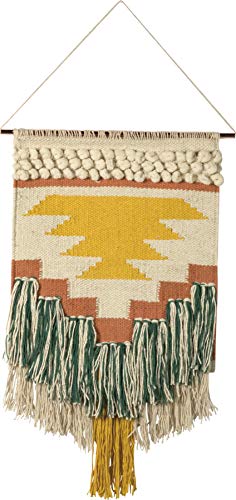
Primitives by Kathy Gypsy Hand Woven Wall Hanging, 14" x 25", Yellow/Green, 8541857714
BOHO WOVEN WALL HANGING featuring woven textiles, layered step fringe accents, vibrant colors, geo knit patterns, and copper…
As an affiliate, we earn on qualifying purchases.
As an affiliate, we earn on qualifying purchases.
Conclusion
As you explore Moroccan patterns and textiles, you’ll find their history woven into every design, adding richness to your decor. It’s no coincidence that these vibrant motifs often appear in unexpected places, creating a sense of connection and tradition. When you incorporate these textiles into your space, you’re not just decorating—you’re embracing a timeless story that continues to inspire. Sometimes, the most beautiful design elements are the ones that feel like a fortunate coincidence.

Britimes Throw Pillow Covers Geometric Kilim Moroccan Home Decor Set of 4 Oriental Ikat Pillow Cases Living Room Decorative 18 x 18 Inches Cushion Couch Sofa Pillowcases Colorful Red Tribal
Standard Size: 18 x 18 inches. Each set includes 4 pillow covers. Not including insert.
As an affiliate, we earn on qualifying purchases.
As an affiliate, we earn on qualifying purchases.
Britimes Throw Pillow Covers Geometric Kilim Moroccan Home Decor Set of 4 Oriental Ikat Pillow Cases Living Room Decorative 18 x 18 Inches Cushion Couch Sofa Pillowcases Colorful Red Tribal
Standard Size: 18 x 18 inches. Each set includes 4 pillow covers. Not including insert.
As an affiliate, we earn on qualifying purchases.
As an affiliate, we earn on qualifying purchases.