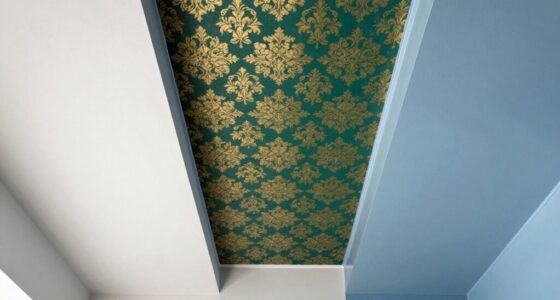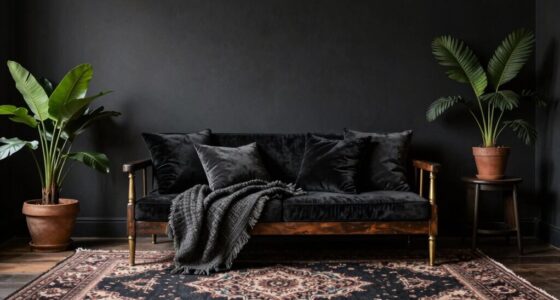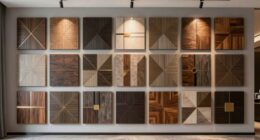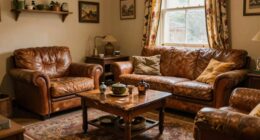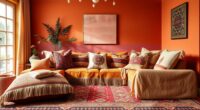
Layering textures by combining different fabrics and materials adds depth and visual interest to your space or outfit. You can mix plush velvet with sleek leather, chunky knits with smooth silk, or rugged denim with soft linen to create tactile and visual harmony. Balancing rough with soft or shiny with matte helps achieve cohesive yet enthralling results. Keep exploring different combinations, and you’ll discover how mastering texture layering can transform your style and environment in exciting ways.
Key Takeaways
- Mix contrasting textures like plush velvet and sleek leather to create visual interest and tactile harmony.
- Combine different fabric weights, such as chunky knits with lightweight linens, for depth and dimension.
- Balance rough and smooth surfaces, such as coarsened wool with silky fabrics, to enhance tactile appeal.
- Use textiles in layers—rugs, cushions, throws—to anchor and enrich interior spaces or outfits.
- Experiment with tactile combinations to express personality and add a curated, engaging aesthetic.

Have you ever wondered how to add depth and visual interest to your space or outfit? One of the most effective ways is through layering textures. When you start mixing textiles and creating tactile combinations, you effortlessly elevate your style and surroundings. It’s about blending different fabrics and materials in a way that feels intentional yet natural, inviting curiosity and engagement. Think beyond flat surfaces—textures bring dimension, making everything more dynamic and lively. Whether you’re decorating a room or dressing for the day, understanding how to layer textures can transform your entire look or environment.
Layering textures adds depth and interest, transforming your space or style with tactile and visual harmony.
In interior design, layering textures means combining various fabrics, materials, and finishes that complement each other. Imagine pairing a plush velvet sofa with sleek leather accents or adding a chunky knit throw over a smooth linen armchair. These tactile combinations aren’t just about matching colors; they’re about creating contrast and harmony through touch and visual weight. When you mix textiles thoughtfully, you give your space a sense of depth. Rugs, cushions, curtains, and throws in different textures become visual anchors, making the room feel inviting and curated. The key is balancing rough and soft, shiny and matte, coarse and fine textures so everything feels cohesive but interesting.
In fashion, layering textures involves mixing fabrics to craft outfits that captivate and feel rich. It’s about combining materials like wool, silk, denim, and leather to create tactile combinations that catch the eye. For example, a chunky knit sweater paired with a smooth leather skirt or a silky blouse under a textured blazer can add dimension to your look. These tactile combinations draw attention to the details and make your outfit stand out without overwhelming. Playing with textures also allows you to express personality—combining rugged and refined elements can give your style a unique edge. When you layer different textiles thoughtfully, you create visual interest and a sense of depth that makes your look more sophisticated and complete.
Ultimately, mastering the art of layering textures is about feeling confident to experiment and trust your instincts. Whether it’s your home or your wardrobe, mixing textiles and tactile combinations will give your space or outfit that layered richness that feels both curated and personal. It’s an approach that invites touch, sparks curiosity, and transforms ordinary into extraordinary. So, don’t be afraid to combine different fabrics—you might just discover a new way to express yourself and add that extra dimension to your environment or style that you’ve been craving. Additionally, understanding how to combine textiles effectively enhances the sensory experience and can make your space or outfit more engaging.

OUYESSIR U-Shaped Sectional Sofa Couch, 4 Seat Sofa Set for Living Room, Convertible L-Shaped Velvet Couch Set with Chaise Lounge, Ottoman and Pillows,114 inches (Emerald Green)
【Emerald Green Sofa Set Includes】L shape emerald green u couch with chaise lounge + 1 Ottoman. The independent…
As an affiliate, we earn on qualifying purchases.
As an affiliate, we earn on qualifying purchases.
Frequently Asked Questions
How Do I Choose Textures for Small Spaces?
To choose textures for small spaces, start with layering techniques that add depth without overwhelming. Opt for lightweight, durable fabrics like linen or cotton for furniture and accessories, ensuring longevity and ease of maintenance. Mix smooth and textured materials to create visual interest while keeping the space feeling open. Avoid heavy, bulky textures that can make the room feel cramped; instead, focus on balanced layers that enhance comfort and style.
What Are Some Color Combinations That Work Well With Textured Fabrics?
Imagine your space as a painter’s palette—you want colors that dance together. For textured fabrics, opt for classic color pairing like navy and cream or warm neutrals with deep browns. Mix patterns thoughtfully—stripes with florals or solids with textures—ensuring the colors complement. These combinations create harmony and depth, making your space feel cozy and inviting without overwhelming. Trust your eye, and let your textures tell a story.
How Can I Mix Modern and Vintage Textured Materials Effectively?
You can mix modern and vintage textured materials effectively by mixing patterns and balancing contrasts. Start by pairing sleek, contemporary fabrics with rich vintage textures, ensuring they complement each other. Use neutral tones to unify the look, then add pops of color or pattern for interest. Keep the scale of patterns varied, and avoid overwhelming the space. This approach creates a harmonious blend of old and new, emphasizing your unique style.
What Maintenance Tips Are Best for Textured Fabric Furniture?
Oh, you must love living on the edge with textured fabric furniture, huh? To keep it looking fabulous, use fabric protection sprays regularly and follow gentle cleaning techniques—think vacuuming with a brush attachment and spot cleaning with mild solutions. Avoid harsh chemicals, and don’t forget to rotate cushions. This way, your textured treasures stay stylish and cozy, avoiding the “what was I thinking?” moment.
Are There Eco-Friendly Options for Layering Textured Textiles?
Yes, you can choose eco-friendly textured textiles by selecting fabrics made from sustainable fibers like organic cotton, hemp, or bamboo. Look for options dyed with eco friendly dyes, which reduce harmful chemicals. This way, you layer textures while supporting environmental sustainability. Always check labels for certifications like GOTS or OEKO-TEX to guarantee the textiles meet eco-friendly standards, helping you create beautiful, responsible interiors.

Yaheetech PU Leather Accent Chair, Mid-Century Modern Armchair with Solid Wood Legs, Reading Leisure Chair with High Back for Living Room Bedroom Waiting Room, Brown
Superior Construction: This accent chair is built of a solid wood & manufactured wood frame and cushioned artificial…
As an affiliate, we earn on qualifying purchases.
As an affiliate, we earn on qualifying purchases.
Conclusion
By mastering the art of layering textures, you weave a tapestry of depth and personality into your style. Each fabric and material becomes a brushstroke on your personal canvas, creating a symphony of tactile delight. When you blend these elements thoughtfully, you craft not just an outfit, but a story that speaks to your unique spirit. Embrace the magic of textures—you hold the power to turn everyday wear into something truly mesmerizing.

Bigacogo Chunky Knit Throw Blanket for Couch, 40×60 inches, 100% Hand Knitted with Thick Jumbo Chenille Yarn, Cozy Soft Large Rope Knot Cable Crochet Blankets for Sofa Bed Living Room, Beige
Holey Chunky Knit Blanket: Our chunky throw blanket is 100% hand knit with cute holes, the special holey…
As an affiliate, we earn on qualifying purchases.
As an affiliate, we earn on qualifying purchases.

Soalmost Washable Area Rug 8×10, Large Soft Rugs for Living Room Vintage Beige Carpet 8×10 Area Rugs for Bedroom Dining Room Non-Slip Stain Resistant Under Table Rug
PET FRIENDLY & NON-SLIP BACKING: 8×10 area rugs featuring simple of colors while promising a luxurious feel underfoot….
As an affiliate, we earn on qualifying purchases.
As an affiliate, we earn on qualifying purchases.