TL;DR

Get furniture and decor delivered free with Prime
- Fast, free delivery on millions of items
- Prime Video, Amazon Music and more included
- Member-only deals all year
A Livingetc report explains task lighting as focused illumination that supports a specific activity, rather than a particular fixture style. Lighting designers say it can be planned around household routines and combined with ambient and accent lighting.
Task lighting is focused illumination for a specific activity, such as reading, cooking or working, according to a Livingetc report featuring lighting designers. The explanation matters for homeowners planning a practical lighting scheme: the term describes what a light does, not a fixed style of fixture.
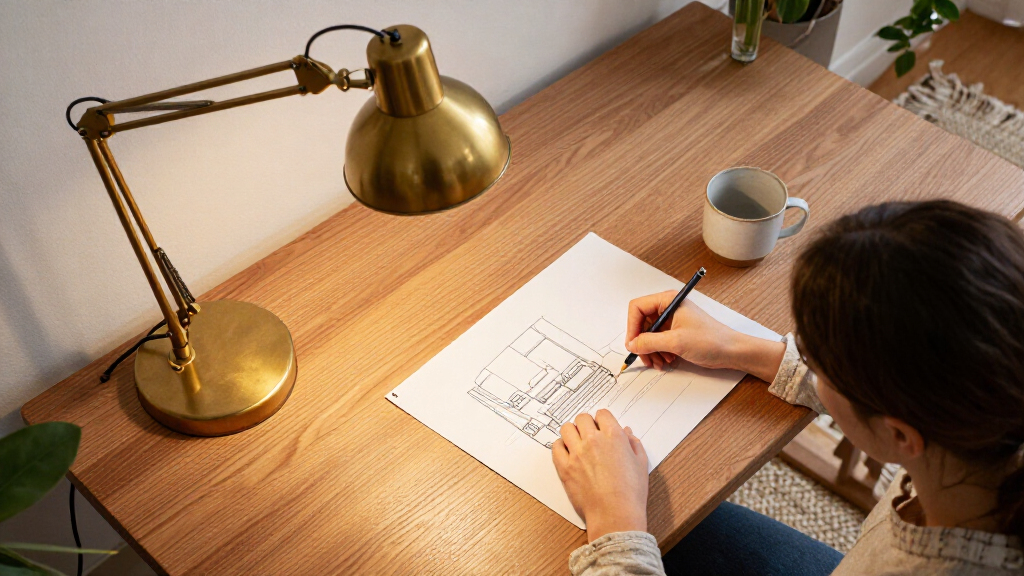
Vanessa Macedo, an associate lighting designer at John Cullen Lighting, describes task lighting as illumination directed where it is needed to make an activity comfortable and practical. She says the aim is to support the task without straining the eyes. The report gives examples including reading, cooking, desk work and applying makeup.
Kiersten Hoiland, founder of lighting design firm Hoiland Studios, also frames task lighting as a functional requirement rather than a design category. A pendant, floor lamp or discreet linear LED fixture could all serve the role if it directs sufficient light onto the relevant surface, she says. That means a decorative-looking fixture is not automatically unsuitable, and a utility-style fitting is not the only option.
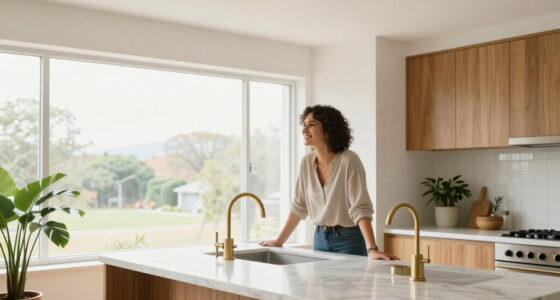
The report recommends identifying where people actually need focused light before choosing fixtures. A reading light beside a bed, illumination over a dining table used for work, or a floor lamp beside an armchair are examples tied to particular routines. In a kitchen, the focus is often on work surfaces; in a hallway, comfortable light for moving through the space may be the priority.
Lighting That Supports Daily Routines
Planning around activities can help prevent a room from looking finished while still being awkward to use. A kitchen surface that is poorly lit, for example, may be less practical for food preparation; a regular reading spot may need a nearby source of focused illumination. These are applications of the designers’ guidance, not measured findings about health or performance.
The distinction also gives homeowners more flexibility in appearance. Because task lighting is defined by its function, people can select fixtures that fit a room’s design while still directing light onto the area where it is needed. The report argues that practical lighting does not have to be treated as an unattractive add-on.
Task lighting is only one part of a broader plan. Macedo describes ambient lighting as setting the overall mood and accent lighting as highlighting details such as artwork, materials or architectural features. Together, those layers address different needs rather than asking a single light to do everything.
adjustable LED desk lamp with dimmer for home office
As an affiliate, we earn on qualifying purchases.
As an affiliate, we earn on qualifying purchases.
A Layered Approach to Home Lighting
The Livingetc article presents task lighting as part of a layered home-lighting scheme. Its central distinction is between lighting designed to support a particular activity and lighting used chiefly to establish a room’s general atmosphere or draw attention to selected features. The categories can overlap in a room, but each has a different intended job.
The report challenges the assumption that task lighting must mean bright overhead lights or LED strips. Hoiland says the relevant test is whether a fixture provides enough directed light for the task. The article also notes that kitchens and bathrooms are common examples because their functions are clear, while bedrooms, living rooms and dining areas can benefit too when residents read, work or carry out other activities there.
“Task lighting is lighting designed to support a specific activity, providing focused illumination exactly where it is needed.”
— Vanessa Macedo, associate lighting designer at John Cullen Lighting
Choosing the Right Light for Each Task
The source does not provide technical specifications for brightness, color temperature, placement distances or fixture sizing, so it does not establish a single setup that will suit every room. It also does not report testing or quantified outcomes for comfort, eye strain or energy use. Macedo’s reference to avoiding eye strain is a description of the design aim, not a reported measurement.
Which fixture is appropriate depends on the activity, room layout and where light needs to fall. The article advises considering household routines but does not give a room-by-room technical plan or product recommendations. Readers should treat its examples as design guidance rather than universal requirements.
Map Activities Before Selecting Fixtures
The practical next step described in the report is to identify the activities that happen in each room and the surfaces or areas that need focused illumination. Designers can then plan task lights alongside ambient and accent sources, rather than selecting fixtures on appearance alone. The source provides no announced follow-up, product launch or scheduled next development; its guidance is intended to inform individual home-planning decisions.
Key Questions
What does task lighting mean?
Task lighting is focused light intended to support a specific activity, such as reading, cooking, working at a desk or applying makeup.
Does task lighting have to come from a particular type of fixture?
No. The designers quoted by Livingetc describe task lighting by its function, not its style. A pendant, floor lamp or linear LED fitting may qualify if it directs sufficient light onto the area being used.
Where can task lighting be useful at home?
It can be useful wherever an activity needs focused illumination, including kitchen work surfaces, a bedside reading area, a dining table used for work, or an armchair used for reading.
How is task lighting different from ambient and accent lighting?
Task lighting supports an activity. Ambient lighting provides a room’s general mood and illumination, while accent lighting draws attention to details such as artwork or architectural features.
Source: rss
Halloween Picks
halloween
As an affiliate, we earn on qualifying purchases.