TL;DR

Get furniture and decor delivered free with Prime
- Fast, free delivery on millions of items
- Prime Video, Amazon Music and more included
- Member-only deals all year
House Beautiful’s report lists 13 home design choices that interviewed designers said they would not use in their own spaces. Their concerns include maintenance, installation, cost and practical limits; the opinions are not a finding that these features are unsuitable for every home.
House Beautiful has published a list of 13 home features that designers said they would not choose for their own spaces, pointing to concerns such as maintenance, installation difficulty, cost and everyday usability. The report is a collection of professional opinions, not a survey or a technical assessment, and several recommendations depend on the size and use of a particular home.
The designers’ examples range from finishes and furniture to kitchen, bathroom and technology choices. Jamie Chappell of Fireclay Tile cautions against zellige tile, whose handmade pieces can vary in size and thickness, complicating installation. Chappell also says the surface can chip, craze or stain and requires regular sealing. She raises similar upkeep and installation concerns about cement tile, which she describes as porous, heavy and labor-intensive to fit.
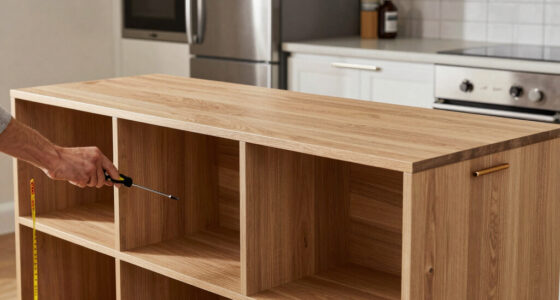
In kitchens, Yvonne Harty of Harty Interiors says waterfall islands can add cost while limiting storage and seating, with corners vulnerable to chips. Brieanna Cunningham of C&C Partners also points to restricted storage and outlet placement. Cunningham questions expensive whole-home smart systems, saying they can be affected by system malfunctions, Wi-Fi interruptions and software-update glitches.
The other entries in the report are white linen furniture, built-in coffee makers, disposable furniture, freestanding tubs, limewashing an entire home, open shelving, pot fillers, oversized statement lighting and trendy wallpaper. The source material gives detailed comments for some items but not all 13, so it does not establish a single reason or level of concern for every feature. The list presents designers’ preferences and cautions rather than evidence that every installation will cause problems.
The Trade-Off Behind Design Choices
The report addresses a practical question for people planning renovations: whether a feature’s visual appeal or convenience is worth its purchase price, installation demands and ongoing care. Some decisions are relatively easy to reverse, such as furniture choices; others, including tile, built-ins and major kitchen or bathroom fixtures, can involve more expensive work to change later.
These are attributed expert views, not universal rules. A waterfall island may suit a household that values a dramatic stone surface over extra seating, while a freestanding tub may work in a spacious bathroom. The useful takeaway is to check how a feature fits the room, routine and maintenance budget before committing, rather than treating a trend or a designer’s personal preference as a guarantee of a poor result.
Products Worth Considering

Dyson W1 PencilWash Cordless Wet and Dry Floor Cleaner with Dock

Blueair Blue Pure 511i Max Smart Air Purifier

LG 85-Inch QNED73B Mini LED 4K Smart TV (2026)
As an affiliate, we earn on qualifying purchases.
Design Trends Meet Long-Term Upkeep
The House Beautiful report frames renovation as a costly process in which choices can affect both the finished look and long-term upkeep. It says home trends can change quickly and asks designers with industry experience to identify features they would not personally install. That framing matters: the article records professional judgment, not a controlled comparison of renovation costs or product performance.
Its examples illustrate different kinds of trade-offs. Handmade and cement tiles may require careful installation and sealing; built-in appliances and smart systems add equipment that needs maintenance; and certain furniture or fixtures may be less suited to busy households or compact rooms. The report does not provide price estimates, independent testing or a ranking that would let readers compare the options directly.
““Because each piece is handmade, there’s a lot of variation in size and thickness, making installation slow and tricky.””
— Jamie Chappell of Fireclay Tile, on zellige tile
What the Designer List Cannot Establish
The source does not state how the designers were selected, whether their opinions represent broader industry views or what criteria determined the 13 entries. It also offers no comparative cost data, product testing or maintenance schedules. Detailed explanations are available for some features, while the supplied material names others without equivalent supporting comments.
It remains a matter of individual circumstances whether a feature is worth its upkeep or cost. Room dimensions, household routines, materials, installation quality and budget can change the practical outcome. The report does not claim that the listed choices always fail or should never be used.
Check Fit Before Renovation
The report does not announce a follow-up study or a formal design recommendation. For readers considering one of these features, the next step is to ask contractors or designers for itemized installation costs, care requirements and repair options, then compare those with the way the room will be used. For tile and built-in systems in particular, understanding installation and servicing needs before work begins can help clarify the full commitment.
Any decision will depend on the project and the homeowner’s priorities. The source provides a set of cautions to discuss during planning, not a substitute for product specifications, professional advice or a quote for the home itself.
Key Questions
What is the House Beautiful report about?
It lists 13 home features that interviewed designers said they would not put in their own spaces, with concerns including maintenance, cost, installation and practicality.
Which tile types did the designers question?
Jamie Chappell of Fireclay Tile raised concerns about zellige and cement tile. She cited installation challenges and ongoing care, including regular sealing and susceptibility to staining or damage.
Why did designers criticize waterfall islands?
Yvonne Harty said they can reduce storage and seating, add cost and leave corners vulnerable to chipping. Brieanna Cunningham also cited limited storage and outlet options.
Does the report say homeowners should avoid all 13 features?
No. It records designers’ personal views and cautions, not a universal rule or a finding that these choices are unsuitable for every home.
What should homeowners check before choosing a feature?
Compare the upfront cost, installation needs, routine maintenance and fit with the room. The report does not provide project-specific estimates, so homeowners should seek advice and quotes for their own plans.
Source: housebeautiful.com