TL;DR

Get furniture and decor delivered free with Prime
- Fast, free delivery on millions of items
- Prime Video, Amazon Music and more included
- Member-only deals all year
House Beautiful published an interview-style report in which an 11-year-old reacted to bedroom furnishings and decor. The child favored comfortable shapes, adaptable colors, useful storage and smaller decorative accents, offering one young person’s perspective rather than a broad survey of Gen Alpha.
House Beautiful has published a report in which an 11-year-old reacts to bedroom furnishings and decor, describing preferences for comfort, practical storage and pieces that can work in more than one way. The comments offer a child’s individual take on designing a room for a young resident, not survey evidence about all of Gen Alpha.
The child assessed a range of items, including rugs, a nightstand, a chair, lighting, storage and shelving. Their responses often turned on how an object would function in an actual room: a smaller rug could sit beside a bed or under a chair, while a nightstand needed enough surface area for the belongings placed on it. The child preferred a white nightstand, describing it as looking “cleaner and neater.”
Comfort mattered, but so did avoiding designs that felt overly themed. Describing a rounded shape, the child wanted it to look “comfy, but not like a cartoon.” They also liked a cream-colored item because, in their view, it could fit with different room styles. These reactions suggest a preference for adaptable pieces, though the report does not establish how widely other children share it.
Several comments emphasized combining appearance with use. The child praised a pink item with dot details for holding jewelry, and liked a decorative pen holder because it would not look out of place sitting in a room. A shoe-storage piece also appealed because it could hold other things, such as towels or school supplies. The child favored a shelf that felt smaller and more practical than a larger display-style bookcase.
What Young Shoppers May Value
The report is a small, informal look at how a young person evaluates products that adults might choose for a child’s bedroom. Rather than focusing only on a coordinated look, the child repeatedly considered comfort, storage and flexibility: whether a piece could be moved, whether it could serve another purpose, and whether its appearance would suit different arrangements.
That perspective may be useful to parents, designers and retailers trying to make rooms work for the people who use them. It points to practical questions to ask a child before buying furniture or decor: What will you keep here? Where will it go? Can it still work if your style changes? But the article documents one child’s opinions. It cannot show what Gen Alpha as a whole prefers, or establish that any specific product will appeal to children generally.
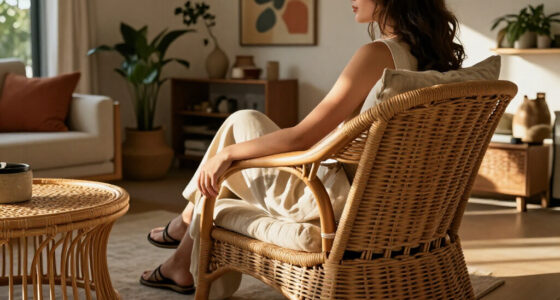
comfortable rounded accent chair for kids bedroom
As an affiliate, we earn on qualifying purchases.
As an affiliate, we earn on qualifying purchases.
A Child Reacts to Room Products
The supplied House Beautiful report presents individual reactions to a selection of bedroom and home products rather than findings from a poll or a formal design study. The child comments directly on the items, explaining what seems useful or appealing and, in some cases, where they would place a product.
Those comments include both clear preferences and practical qualifications. A floral item looked pretty to the child, but they did not think it belonged on a bed and suggested it might suit a desk chair. A color-changing wall light initially caused confusion, but the child liked the idea once it was compared with adjustable LED strips. The examples show why placement and use matter alongside a product’s appearance.
““I want it to look comfy, but not like a cartoon.””
— The 11-year-old interviewed by House Beautiful, describing a rounded design
How Far One View Can Reach
The source material does not say how the child was selected, whether other children took part, or how the products were chosen. It also gives no information about the child’s household, budget, room size or existing decor, all of which could affect their responses.
There is no sample size beyond the one child described, and no survey or comparative data in the supplied report. The comments should not be read as confirmed trends among Gen Alpha, a generation-wide design consensus or an endorsement of the products mentioned. The source also does not provide a publication date in the supplied material.
Questions for a Room Plan
The report does not announce a follow-up study, product launch or other next step. For readers planning a child’s room, its practical takeaway is to treat the comments as prompts for a conversation rather than as a fixed design formula: ask the room’s occupant what feels comfortable, what needs storing and which items should be easy to rearrange.
Whether these preferences are common among other children remains untested in the source. Establishing broader patterns would require input from a larger group, with details about participants and methods. Until then, the article remains an individual child’s product feedback, not a representative account of young consumers.
Key Questions
What did the 11-year-old say they wanted in a bedroom?
The child favored comfortable, adaptable furnishings, useful storage and decor that could serve a purpose as well as look good. They also described a preference for designs that were not overly cartoonish or imposing.
Does the report show what all of Gen Alpha likes?
No. The supplied report records one 11-year-old’s opinions. It does not include a survey or evidence that the preferences represent Gen Alpha as a whole.
What room-design features stood out to the child?
The child praised a nightstand with plenty of surface space, a smaller rug that could be placed in different spots, and storage that could hold items beyond its main intended use, including school supplies or towels.
Did the child like every product shown?
No. The responses were mixed and specific to each item. For example, the child liked the look of a floral design but suggested it might work better on a desk chair than on a bed. They were initially confused by a lighting idea before warming to it.
What remains unknown about the report?
The supplied material does not explain how the child was selected, whether other children participated or how the products were chosen. It also does not provide a publication date or broader data to test whether the opinions are common.
Source: rss
Evergreen bestsellers Picks
bestsellers
As an affiliate, we earn on qualifying purchases.