TL;DR
Interior designers interviewed by Apartment Therapy recommend holding on to seven kinds of home items: decor you love, printed photographs, classic furniture, benches, vintage rugs, limited-edition works and handmade pieces. Their advice is based on personal meaning, adaptability and potential resale value, not a guarantee that every item will suit every home or increase in price.
Interior designers interviewed by Apartment Therapy recommend keeping seven kinds of home items that may retain personal meaning, adapt to changing rooms or be difficult to replace: decor you love, printed photographs, classic furniture, benches, vintage rugs, limited-edition works and handmade pieces. The advice offers homeowners a way to weigh a purge against an item’s usefulness, history and condition, rather than judging it only by whether it matches a current style.

Get furniture and decor delivered free with Prime
- Fast, free delivery on millions of items
- Prime Video, Amazon Music and more included
- Member-only deals all year
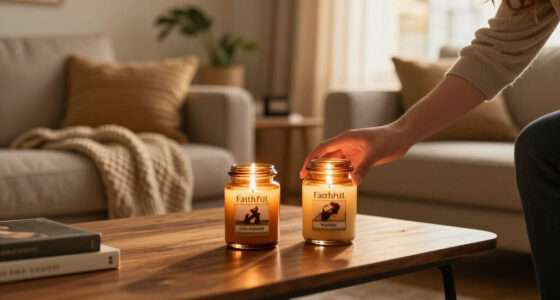
The designers’ first recommendation is to keep objects that matter personally, even if they do not fit a room’s existing look, while considering whether other outdated decor is ready to go. Designer Angela Todd said surrounding colors, textures and other choices can help an item work in a space. Interior designer Tiffany Hanken described using china inherited from her great-grandmother, mixing it with newer tableware and using it for meals. Her example shows how an heirloom can remain part of daily life rather than being stored away.
Designer Ian Stallings advised keeping printed photographs despite the prevalence of digital pictures. For furniture, Elizabeth Stamos pointed to classic shapes such as wingback chairs, Chesterfield sofas and tufted headboards. She said the silhouette can have lasting value even when its upholstery does not; reupholstery is one way to update a piece, though the cost and condition should factor into the decision.
Lauren Clement described benches as adaptable seating that can move between a kitchen or dining area, entryway, bedroom or play space. Hailey Weidenbaum recommended retaining vintage rugs, citing their difficulty of sourcing and possible resale demand. Designer Sara Story said limited-edition works, including prints or other artist-made objects, may become more valuable, while craft fair organizer Brad Ford highlighted handmade items for their distinctiveness and the story behind their making.
Should You Toss It? Six Items Designers Recommend Saving
Interior designers recommend weighing personal meaning, usefulness and adaptability before clearing out home furnishings. Their advice is not a guarantee of resale value or a reason to keep everything.
Seven kinds of keepers
The article names seven categories, each with a different reason to consider keeping it.
Decor you love
Personal meaning can matter even when an object does not match a room’s current look.
Printed photographs
Designers recommend keeping hard-copy photos despite the prevalence of digital pictures.
Classic furniture
A lasting shape may work with updated upholstery, depending on condition and cost.
Benches
Move one between rooms as seating needs change.
Vintage rugs
A rug may suit a future room, though resale is not assured.
Limited editions and handmade pieces
Rarity or the story of how something was made may give it meaning; future value is uncertain.
Why people keep them
Different items earn their place in different ways.
- Inherited china and family photographs carry history.
- Benches can serve changing needs across rooms.
- Classic furniture may be refreshed with new upholstery.
- Vintage rugs can be difficult to source.
- Limited-edition works may attract buyers.
- No category guarantees a sale or a higher price.
Decide piece by piece
A designer’s recommendation is a starting point, not a rule for every household.
Consider whether it is usable, repairable and worth the care it needs.
Ask whether it has a place now or could fit a future room.
Compare storage or restoration costs with its personal or practical value.
Keeping Pieces Useful Through Change
The advice matters because a move, renovation or seasonal clear-out can make people reconsider furnishings and keepsakes that still have practical or personal value. An item that seems out of place today may work in a different room, become useful after a layout change or be refreshed with new fabric, paint or a different combination of objects. That flexibility can reduce unnecessary replacement, though it does not mean every item should be kept indefinitely.
The recommendations also distinguish between emotional value and market value. An inherited plate or family photograph may matter because of its history, while a vintage rug or limited-edition work may attract buyers. Those are different reasons to hold onto something. The article does not establish that any particular item will appreciate, sell quickly or be worth the expense of storage and restoration.
For readers deciding what to keep, the practical question is not simply whether a designer calls a category timeless. It is whether the object is in usable condition, has a place in the home, carries meaning or would be costly or difficult to replace. A realistic assessment of maintenance, storage and repair costs can help balance the designers’ guidance against the limits of a household’s space and budget.
Products Worth Considering

Philips Hue Smart Light Starter Kit with Bridge and 4 White and Color A19 Bulbs

LEVOIT Vital 200S-P Smart Air Purifier for Large Rooms, White

Bose TV Speaker Compact Soundbar with Bluetooth and HDMI-ARC, Black
As an affiliate, we earn on qualifying purchases.
A Designer’s Seven Keepers
The recommendations appear in an Apartment Therapy decorating article by Sarah Lyon, a freelance writer covering interior design and lifestyle. The piece gathers views from designers and other home-industry professionals rather than presenting a formal study, survey or appraisal of resale markets.
Its seven categories span both decorative and functional objects: sentimental decor, hard-copy photographs, furniture with classic silhouettes, benches, vintage rugs, limited-edition pieces and handmade items. Several suggestions focus on adaptability—such as reupholstering a chair, repainting a bench or layering rugs—while others focus on personal history or rarity.
The article’s examples illustrate individual approaches, not universal rules. Hanken uses inherited china in everyday settings; Stamos emphasizes furniture shape over fabric; and Weidenbaum says a rug that does not suit a current room can be stored for possible future use. None of these examples supplies a cost estimate or a guarantee of future demand.
“Any item can work given the right selections, colors, and textures surrounding it.”
— Designer Angela Todd
Value Depends on Each Piece
The article does not provide appraisals, prices or resale data for the categories it lists. Weidenbaum says vintage rugs are difficult to source and may be resold, and Story says limited-edition works could eventually increase in value; neither statement guarantees a buyer, a price or an increase. No timeframe or comparison baseline for potential appreciation is given.
It is also unclear how much a suggested update, such as reupholstery or refinishing, would cost for any particular item. Condition, materials, workmanship, local demand and the availability of storage can all affect whether keeping a piece makes sense. The recommendations are professional opinions and personal examples, not a rule that homeowners should preserve every old or handmade object.
Assess Condition Before Deciding
The article sets out no announced follow-up or planned event. For readers applying the advice, the next step is to assess each item individually: whether it is meaningful, functional, repairable and likely to fit a future room. For a potentially collectible work or rug, a qualified appraisal or recent comparable sales would provide firmer information than a general category-based recommendation.
Where storage is the main reason for holding on, owners can compare the space and care involved with the item’s personal or practical value. A bench that can move between rooms may earn its place through use; an heirloom may be kept for family reasons; and a chair may require an upholstery estimate before restoration. Those decisions depend on the object and the household, not on a promise that a designer-recommended item will stay in fashion or gain value.
Key Questions
Which items do the designers recommend keeping?
They name decor with personal meaning, printed photographs, classic furniture, benches, vintage rugs, limited-edition works and handmade items. The advice is not a requirement to keep every item in these categories.
Does a limited-edition piece always increase in value?
No. Designer Sara Story said some limited-edition works could eventually increase in value, but the article gives no price data, timeline or guarantee. An item’s value depends on factors such as its maker, condition and buyer demand.
What can someone do with furniture that looks dated?
Designer Elizabeth Stamos recommends looking at a piece’s shape and construction as well as its upholstery. Reupholstering may update a classic chair or sofa, but owners should weigh the condition of the furniture and the cost of the work.
Why keep printed photographs when digital copies exist?
Designer Ian Stallings recommends retaining physical photographs. They can preserve a tangible record and can be displayed or kept in albums, though the article does not compare the durability of different storage methods.
Source: apartmenttherapy.com