TL;DR
Designers interviewed by House Beautiful describe warmer home interiors as a shift in materials and how rooms are put together, not just a move to warmer colors. Their examples include more visible wood grain, natural stone, layered textiles and lighting, and varied textures in understated palettes.
Interior designers interviewed by House Beautiful say a move toward warmer, more personal homes is showing up in 2026 through wood-forward interiors, natural stone, layered furnishings, and tactile finishes. The trend is not simply about warmer colors: designers describe an effort to make rooms feel comfortable, lived-in, and reflective of the people who use them.

Get furniture and decor delivered free with Prime
- Fast, free delivery on millions of items
- Prime Video, Amazon Music and more included
- Member-only deals all year
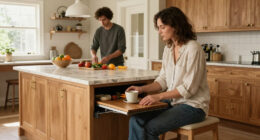
One of the clearest material shifts is toward wood with visible grain. Rachel Simpson, senior interior designer at Revive Design and Renovation, says her firm is using more white oak, walnut, and rift-cut cabinetry, as well as wood ceilings and paneled walls. Wood can add visual depth to both contemporary and traditional rooms without relying on formal ornament, she says.
Simpson also describes a move away from stark white countertops toward quartzite, travertine, and marble with warmer veining. She points to honed stone finishes as a less glossy option that lets natural variation show. The account does not identify this as a measured industry-wide change; it is a designer’s description of current project choices.
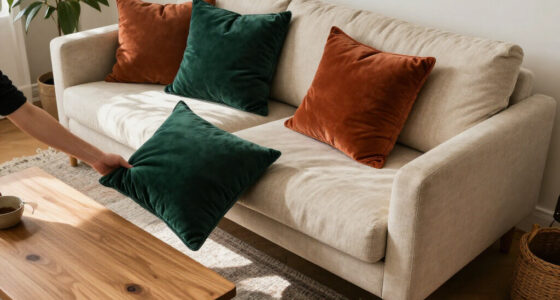
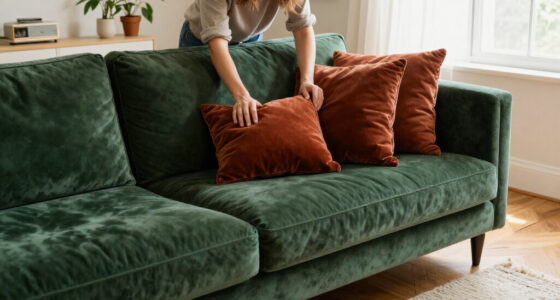
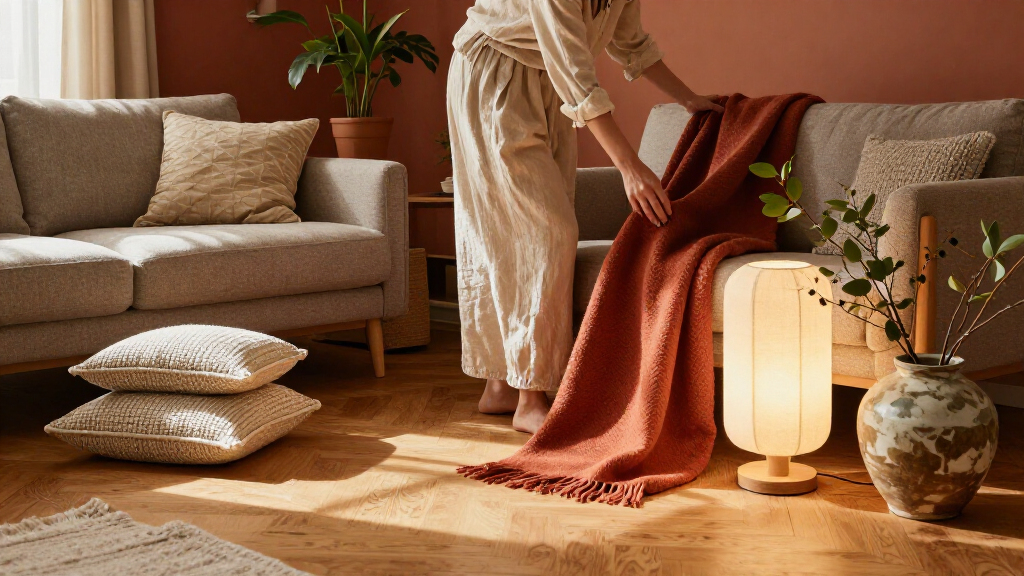
Three other ideas focus on how rooms are composed. Charles Greenfeld, founder and principal designer at Ethan Charles Design, describes designing a mountain retreat around a client’s vision of a comfortable, contemporary “grown-up treehouse.” Ashley Powell, cofounder and interior designer of Roseberry Allen, says rugs, wall treatments, art, draperies, and lighting at different heights can build a layered, welcoming effect. Jess Klein, founder and principal of Jess Klein Studio, highlights combinations such as a woven rug, textured wall, and visibly grained wood, which create variation even when colors remain close.
Warmth goes beyond color
Designers describe warmer homes through natural materials, layered details, and rooms that feel personal and comfortable.
Five ways designers add warmth
These are project examples and professional observations, not measured market trends.
Show the grain
White oak, walnut, cabinetry, wood ceilings, and paneled walls add visible variation.
Choose natural veining
Quartzite, travertine, and marble with warmer veining offer an alternative to stark white countertops.
Build a welcoming room
Rugs, wall treatments, art, draperies, and lighting at different heights create a layered effect.
Mix understated surfaces
A woven rug, textured wall, and visible wood grain add depth even in a restrained palette.
Design around the people
A comfortable, contemporary “grown-up treehouse” shows how a room can reflect a client’s vision.
What “warmth” means here
The emphasis is on how a home feels and how materials work together.
- Visible wood grain and natural stone
- Honed finishes with less gloss
- Textural variation in close colors
- Layered furnishings and lighting
- Comfort and a lived-in feel
- Details that reflect the people who live there
A practical starting point
The examples range from a small finish choice to adding layers across a room.
Consider visible wood grain or a less polished stone surface.
Rugs, art, draperies, and varied lighting can build a welcoming effect.
Mix textures to create depth without relying on bold colors.
How Material Choices Change a Room
The ideas matter to homeowners because they frame warmth as a result of materials, texture, and arrangement, rather than a requirement to repaint in a particular color or replace every finish. Designers’ examples point to incremental choices—adding wood detail, choosing a less polished stone surface, or layering lighting and textiles—that can change how a room feels without making its palette dramatically different.
They also suggest a design priority beyond appearance: making rooms feel comfortable to spend time in and personal to the people who live there. These are professional observations and examples, not evidence that all homeowners or the wider interiors market are making the same choices. The article provides no sales, survey, or other market data to measure how widespread the shift is.
Products Worth Considering

Levoit Vital 100S-P Air Purifier for Home and Pets

iRobot Roomba 105 Robot Vacuum with LiDAR Navigation

Philips Hue Play HDMI Sync Box
As an affiliate, we earn on qualifying purchases.
From Cool Minimalism to Layered Spaces
The trend report describes warmth as a response to years of cool neutrals and minimalist interiors. Laura Gerber, founder of ODE Design, says warmth now means more than a color palette or single material; in her view, it involves spaces that feel authentic, comfortable, and connected to their residents.
The five approaches in the report reflect that broader definition. Wood and natural stone bring visible variation; layering combines furnishings and light sources; and mixing textures adds interest without requiring bold colors. Greenfeld’s retreat project illustrates the aim of making a space feel both contemporary and welcoming, while Klein’s examples show how contrasting surfaces can create depth within a restrained palette. The examples are project descriptions and designer perspectives, not a formal ranking of trends.
“Warmth has become more than just a color palette or a particular material. It’s about spaces that feel authentic, comfortable, and reflective of the people who live in them.”
— Laura Gerber, founder of ODE Design
How Broad Is the Design Shift?
The report offers designer observations and selected project examples, but no survey, sales figures, or time-series data establishing how common these choices are across homes in 2026. It is not clear how much the reported shift reflects broader consumer demand, particular clients, or the practices of the designers interviewed.
Nor does the report quantify costs or explain how the suggested materials compare on maintenance, durability, or availability. The descriptions of honed stone and wood finishes concern their visual effect; they do not establish that every option suits every household or project.
What Homeowners Can Watch
The next test will be whether these project-level observations appear in broader design reporting, consumer surveys, or market data. For now, homeowners considering the ideas can treat them as design options, not a checklist: the report’s examples range from changing a finish to adding layers of rugs, art, draperies, and lighting.
Further reporting would be needed to establish whether the trend continues, how widely it is adopted, and what it costs in different kinds of homes. The designers’ current descriptions point to a focus on tactile variation and personal comfort, but do not predict how long that focus will last.
Source: rss
Key Questions
What does warmth mean in home design?
In the designers’ descriptions, warmth is not just color. It can come from natural materials, varied textures, layered furnishings, and details that make a home feel personal and comfortable.
Which wood finishes are designers using?
Rachel Simpson says her firm is incorporating more white oak, walnut, and rift-cut cabinetry, along with wood ceilings and paneled walls.
What stone finishes are part of the trend?
Simpson describes using quartzite, travertine, and marble with warmer veining in place of stark white countertops. She also points to honed finishes for a less glossy appearance.
Can a neutral room still feel warm?
Yes. Jess Klein says mixing surfaces such as a woven rug, a textured wall, and visible wood grain can add depth even when the colors are close to one another.
Source: housebeautiful.com