
TL;DR
Interior designers working on podcast studios for creators including Jake Shane and Jay Shetty say the growth of video clips is prompting more considered set design. The shift challenges the familiar mix of dark walls, acoustic foam, neon logos and generic furnishings, though the source does not establish how widespread the change is.
Designers working on podcast studios for Jake Shane and Jay Shetty are moving away from the familiar mix of neon signs, dark walls and generic furnishings, according to a Livingetc report, as shows compete for attention through video clips as well as audio. The report describes a shift toward sets with a more distinct identity and a greater focus on how guests experience the space.

Get furniture and decor delivered free with Prime
- Fast, free delivery on millions of items
- Prime Video, Amazon Music and more included
- Member-only deals all year
Livingetc spoke with designers behind sets for shows including Shane’s Therapuss and Alix Earle’s Get Real With Me. Harrison Sheinberg, co-founder of Interwoven Studios, said a podcast’s visuals increasingly matter because audiences may first encounter a show through a short clip. He described the set as a place that should suggest a world viewers want to spend more time in.
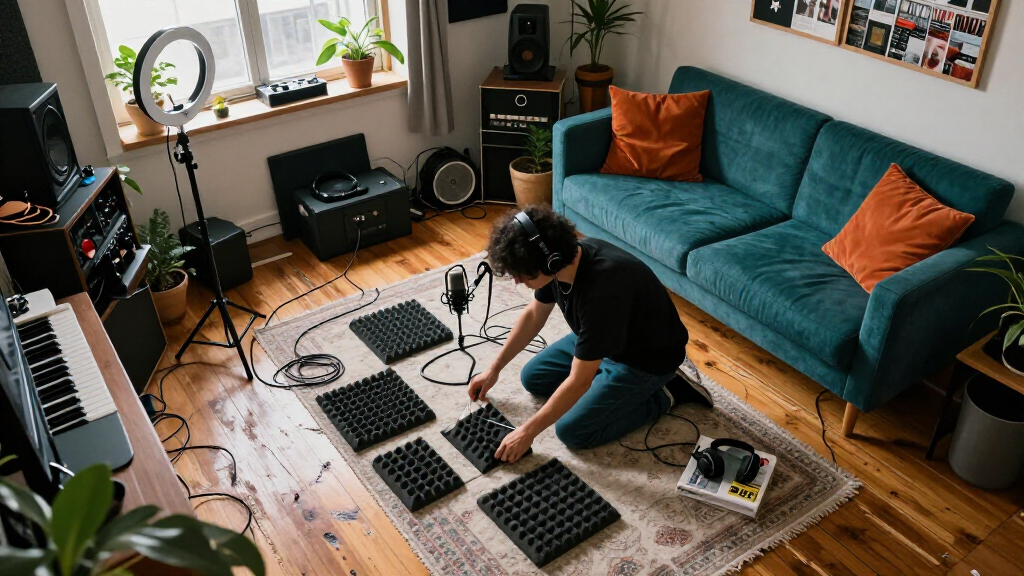
The report identifies two familiar design formulas: a bookshelf-and-timber look, and what designers describe as a gaming-inspired setup with charcoal or black walls, gray acoustic foam and a neon logo. Interior designer Emily Cunnane said the standard set had become nearly uniform. The article also notes that some sets rely on books, branded cups and other broadly recognizable props, rather than details tied to a show’s identity.
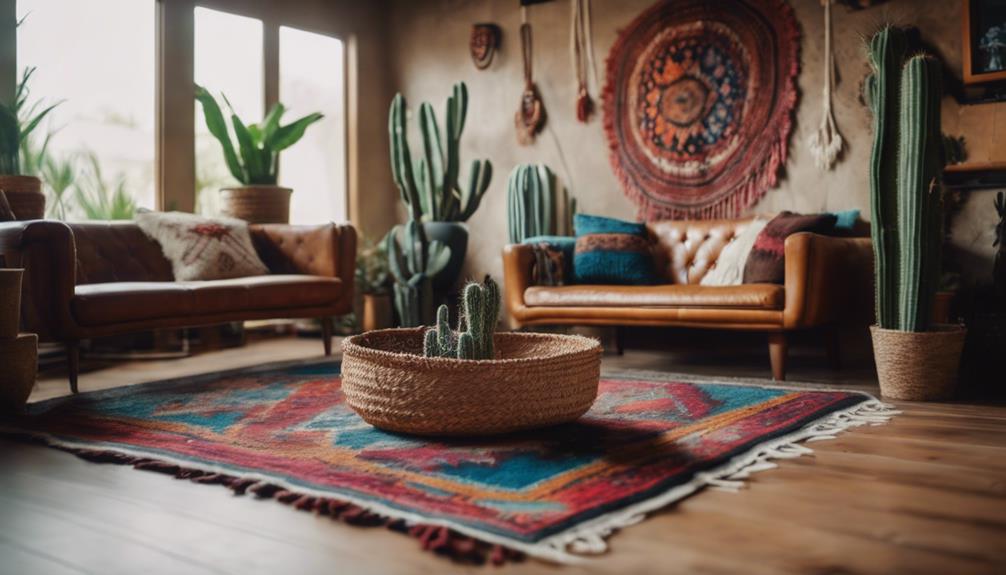
For Jay Shetty’s former On Purpose studio, designer Hema Persad of Sagrada Studio said she wanted to avoid a common palette of wood, white and beige, along with recurring choices such as bouclé, bookshelves and brick walls. The report says the design instead emphasized hospitality, using dark walls and warm furnishings to help guests feel comfortable. It also describes Interwoven Studios’ design for Shane’s studio as focused on warmth, texture and materiality.
Video Clips Put Sets in View
The design question matters because podcast sets now appear in more than full-length recordings. When an episode is filmed and cut into short clips for online platforms, its background becomes part of the show’s public image. A distinctive room can help viewers recognize a program and signal its tone before a host or guest speaks.
That does not mean a polished set guarantees audience growth or that every podcast needs an elaborate interior. The report’s central point is narrower: designers see a mismatch between the growing visual role of podcasts and sets built around a limited, repeatable template. More attention to the room may also affect the guest experience, as Persad’s focus on comfort for Shetty’s guests suggests.
Products Worth Considering

Ring Battery Doorbell Pro, 1536p HD+ Head-to-Toe Video

Philips Hue Bridge Pro Smart Lighting Hub

Philips Hue Smart Light Starter Kit with Bridge and 4 White and Color A19 Bulbs
As an affiliate, we earn on qualifying purchases.
From Audio Booth to Visual Set
Podcast production began with sound as its main concern, and studio choices often reflected that priority. Haley Draznin, a former CNN journalist and founder of The Chat Room, told Livingetc that studios were designed for listeners’ ears rather than viewers’ eyes. As recording became more visual, that earlier approach did not automatically produce a coherent on-camera setting.
The report situates the design shift within podcasts’ wider cultural and commercial reach. It cites an estimate of at least 15.5 million podcast listeners in the UK and a global industry market value of more than £29 billion, but it does not provide the measurement dates or methodology for those figures. It also describes major platforms adding podcasts to their programming and points to large online audiences for shows such as The Diary of a CEO and Joe Rogan’s podcast. Those examples illustrate the medium’s visibility; they do not establish that all podcasts have comparable audiences or budgets.
“Now someone’s first encounter with a show might be a fifteen-second clip. That little window needs to feel like a world you want to spend more time in.”
— Harrison Sheinberg, co-founder of Interwoven Studios, in comments to Livingetc
How Broad Is the Design Shift?
The report presents examples and comments from designers, but it does not quantify how many podcast studios are changing their sets or whether the trend extends across the industry. It also does not provide budgets, production data or audience comparisons showing whether redesigned studios affect viewership. The timing and current status of the specific studio projects are not fully detailed, and the source excerpt ends before describing the broader extent of the shift.
More Sets Move On Camera
The next test will be whether distinct, viewer-focused sets become a more common part of podcast production as shows continue to publish video and short clips. The Livingetc report does not identify a timetable or announce a wider industry plan. For now, the evidence is the designers’ work on individual studios and their account of why they are moving beyond familiar templates; further examples will show whether that approach spreads.
Key Questions
What is changing in podcast studio design?
Designers cited by Livingetc are moving away from recurring setups such as dark walls, gray acoustic foam and neon signs, and toward sets with more warmth, texture and a clearer identity.
Why are designers rethinking podcast sets?
Podcasts increasingly appear on video, including as short clips. Designers say those clips can be a viewer’s first contact with a show, making the room part of its on-screen identity.
Which podcast studios are discussed in the report?
The article discusses design work associated with Jake Shane’s Therapuss, Alix Earle’s Get Real With Me and Jay Shetty’s former On Purpose studio.
Does the report show that new studio designs increase audiences?
No. It reports designers’ views and describes particular studio projects, but provides no evidence that redesigned sets cause audience growth.
Source: rss