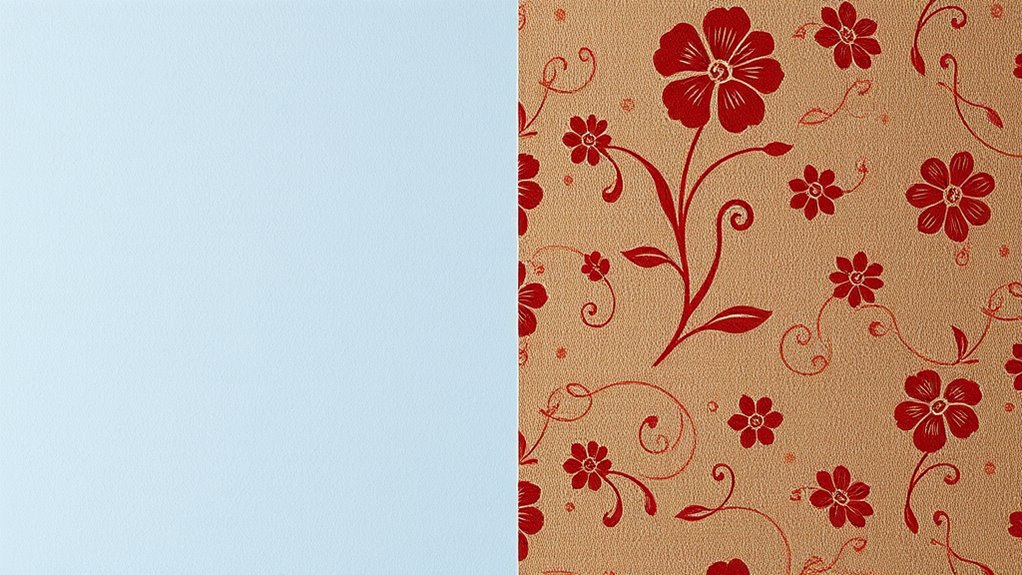

When choosing between wallpaper and paint, consider your design style first. Wallpaper offers more pattern options and texture, but applying it takes time and professional help. Paint is easier and faster to update but offers fewer patterns. Wallpaper tends to last longer with less frequent repairs, while paint is more budget-friendly and simple to refresh. To find out which suits your space and lifestyle better, explore these aspects in detail.
Key Takeaways
- Wallpaper offers diverse patterns and textures for creative design, while paint provides smooth, customizable color finishes.
- Applying wallpaper requires surface prep and professional installation, whereas painting is generally quicker and DIY-friendly.
- Wallpaper tends to be more durable with longer-lasting designs, but repairs can be more complex; paint is easier to touch up and recoat.
- Wallpaper has higher upfront costs but offers better insulation and soundproofing; paint is cheaper and easier to maintain.
- The longevity of wallpaper generally exceeds that of paint, making it a cost-effective choice for long-term wall coverings.

mwpqbd Deerskin Velvet Non-self-Adhesive Nordic Geometric Pattern Lines Modern Simple Fashion Living Room TV Background Wall Non-Woven Wallpaper (Silver Gray Wallpaper 3366-2)
1. This wallpaper is made of non-woven fabric as the bottom surface, 3D. Simple concave-convex deerskin velvet pattern,…
As an affiliate, we earn on qualifying purchases.
As an affiliate, we earn on qualifying purchases.
Design Options and Aesthetic Appeal
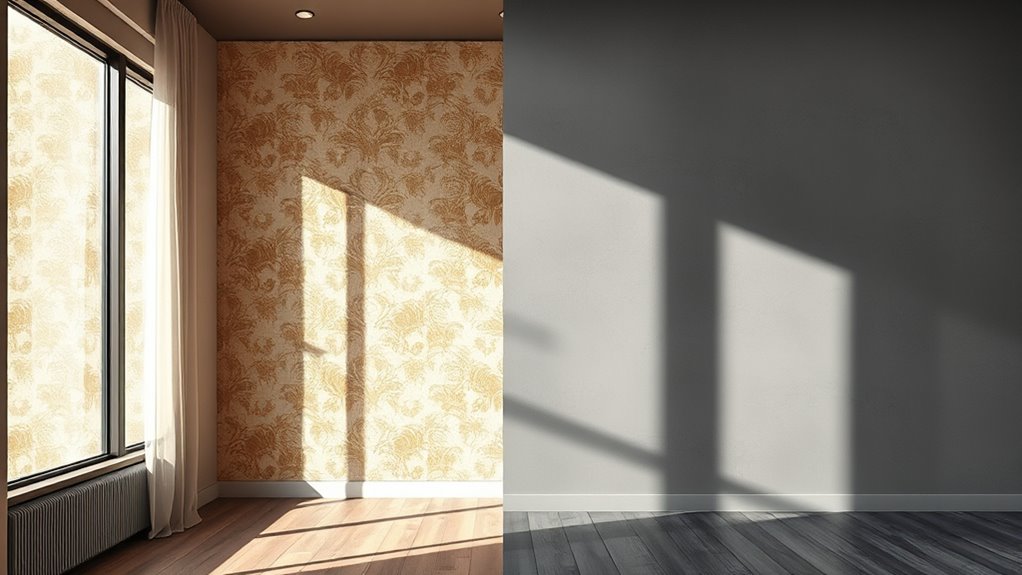
Have you ever wondered which option offers more versatility in design? Wallpaper provides a wide range of pattern options, allowing you to create textured, bold, or subtle looks that paint simply can’t match. With wallpaper, you can choose intricate designs, geometric patterns, florals, or even custom prints, giving your space a unique personality. Color schemes are also more varied, as wallpapers come in countless shades and finishes, from matte to metallic. This variety makes it easier to achieve a specific aesthetic or mood. On the other hand, paint offers a more straightforward approach, with endless color options and smooth finishes. Ultimately, wallpaper provides more opportunities for creative expression through diverse patterns and color schemes, making it an excellent choice for those wanting a distinctive design. Additionally, wallpaper installation techniques and removability options can influence your long-term satisfaction with your choice.
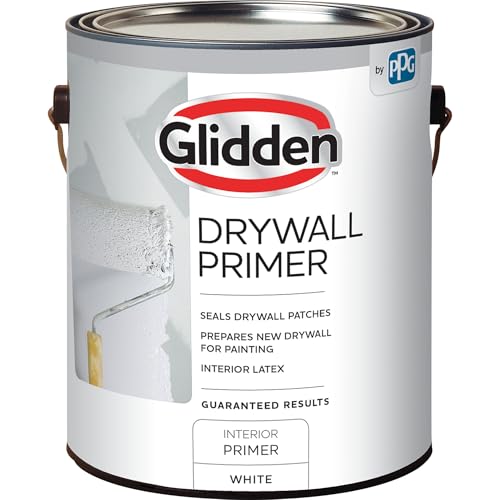
Glidden Interior Drywall Primer Flat, White, 1 Gallon
Seals drywall patches
As an affiliate, we earn on qualifying purchases.
As an affiliate, we earn on qualifying purchases.
Application Process and Ease of Installation
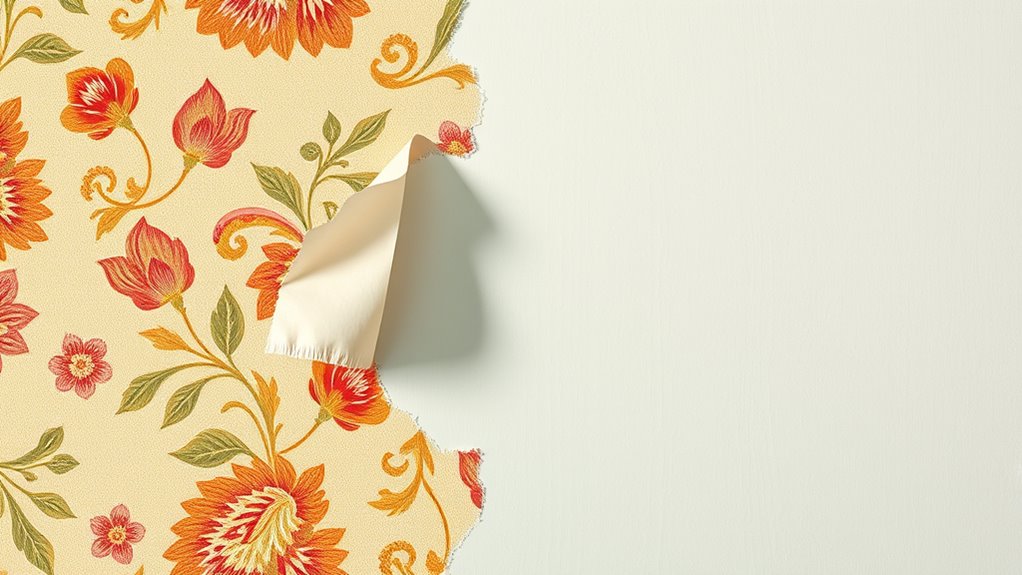
Applying wallpaper requires thorough surface preparation, including cleaning and smoothing, which can be time-consuming. Painting usually involves less prep work, making it quicker to start. The installation process for wallpaper is more complex and may need professional help, while painting is generally straightforward for DIYers.
Surface Preparation Steps
Surface preparation is a crucial step that can substantially influence the final look and durability of your wall finish. Begin by thoroughly cleaning the surface to remove dirt, dust, and grease, ensuring the wall is smooth and free of debris. Proper surface cleaning helps paint or wallpaper adhere better and prevents imperfections from showing through. After cleaning, consider applying a primer to create a uniform base, especially on uneven or previously painted walls. Primer application improves adhesion, reduces absorption, and enhances color or pattern consistency. Take your time with this step, as skipping or rushing it can lead to peeling, bubbling, or uneven coverage later. Well-prepared surfaces set the foundation for a flawless, long-lasting finish, whether you choose wallpaper or paint. Additionally, understanding the different surface materials can help you select the best preparation method for your specific wall type.
Installation Complexity
When it comes to installation, wallpaper generally involves a more intricate and time-consuming process compared to painting. Achieving proper surface adhesion requires careful alignment and smoothing, which can be tricky if the wall isn’t perfectly prepared. You’ll need specific tools like a wallpaper smoother, a utility knife, and a seam roller to ensure the wallpaper adheres smoothly without bubbles or wrinkles. The application process often involves measuring, cutting, and lining up patterns precisely, adding to the complexity. In contrast, painting is more straightforward; you only need brushes or rollers and some painter’s tape. Overall, wallpaper demands more effort, skill, and patience during installation, making it a more involved process than simply applying a fresh coat of paint.
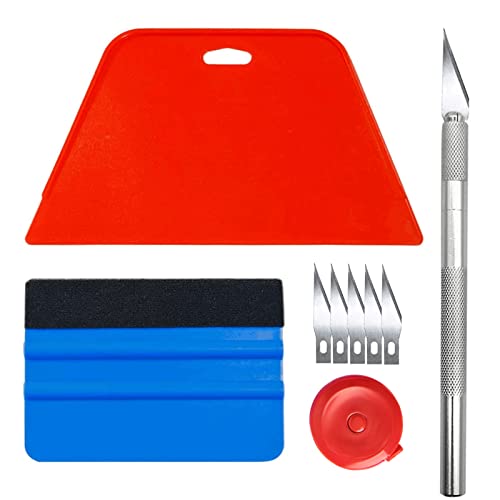
Art3d Smoothing Tool Kit for Applying Peel and Stick Wallpaper, Vinyl Backsplash Tile
【Set of basic tools】: Package includes craft art knife with 5 replaceable blades, red smoother, blue smoother with…
As an affiliate, we earn on qualifying purchases.
As an affiliate, we earn on qualifying purchases.
Cost Considerations and Budgeting
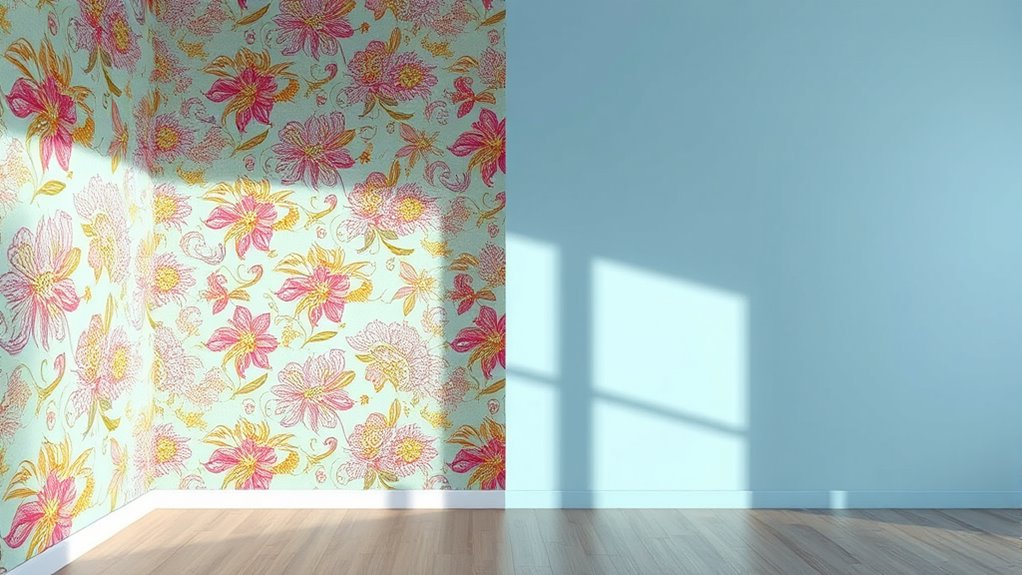
Choosing between wallpaper and paint often hinges on your budget, as each option varies markedly in cost. To maximize your cost efficiency, proper budget planning is essential. Wallpaper generally has a higher upfront cost but lasts longer, reducing long-term expenses. Paint is more affordable initially but may require frequent touch-ups or repainting. Consider these factors:
| Cost Factor | Wallpaper | Paint |
|---|---|---|
| Material Price | Higher | Lower |
| Application Cost | Higher (professional needed) | Lower (DIY possible) |
| Longevity | Longer-lasting | Shorter lifespan |
| Maintenance | Less frequent repairs | More frequent touch-ups |
Careful planning helps balance initial costs with long-term savings, ensuring you stay within your budget while achieving your desired look.
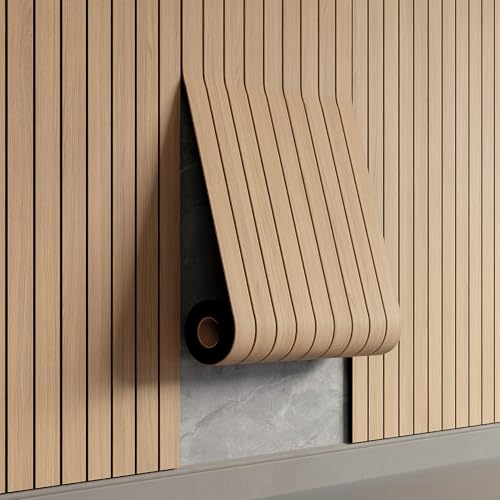
YU LI 3DH Peel and Stick PVC Slat Wall Panel 118"x15.75" Self-Adhesive Thick Faux Oak Wood Grain Wallpaper Panel 3D Soundproof Wall Panels for Walls & Ceilings
Effortless Peel & Stick Installation–Enjoy hassle-free setup with our self-adhesive PVC slat panels! Just measure, peel off the…
As an affiliate, we earn on qualifying purchases.
As an affiliate, we earn on qualifying purchases.
Durability and Maintenance Requirements
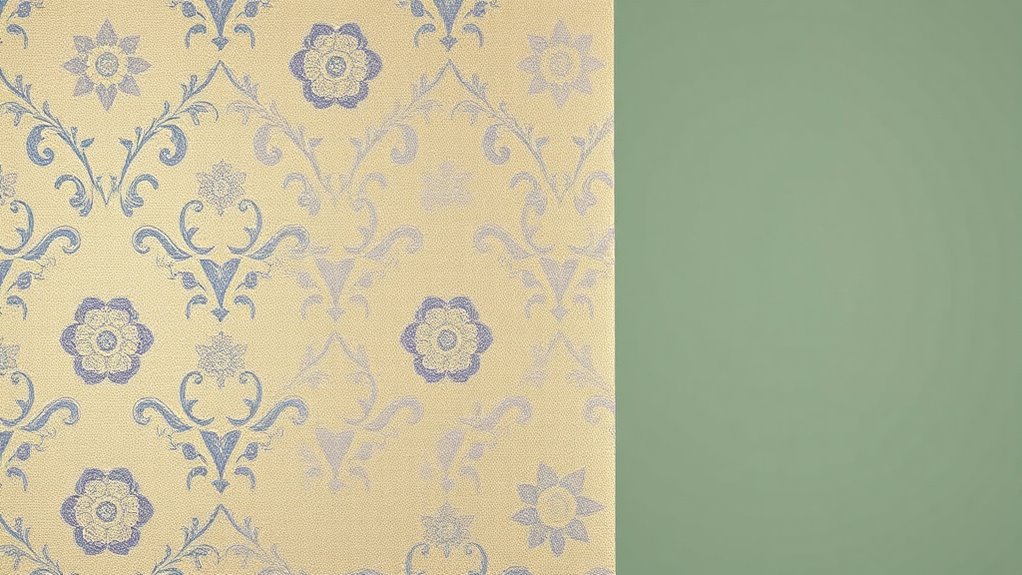
Durability and maintenance needs can profoundly influence your long-term satisfaction with wallpaper or paint. Wallpaper generally requires less frequent maintenance but can be more challenging to repair if damaged. Small tears or peeling may need reapplication of adhesive or partial replacement, which can be time-consuming. Paint, on the other hand, tends to be easier to clean and touch up, making maintenance routines simpler. However, it may need repainting over time due to fading, chipping, or stains. Repair requirements also vary: wallpaper can be more delicate and harder to fix seamlessly, while paint allows for easier spot repairs. Additionally, the choice of wallpaper or paint can impact the hydrocolloid properties of wall coverings, affecting how well they withstand moisture and damage over time. Ultimately, your choice depends on how much upkeep you’re willing to do and how durable you need your wall covering to be over the years.
Environmental Impact and Safety Factors
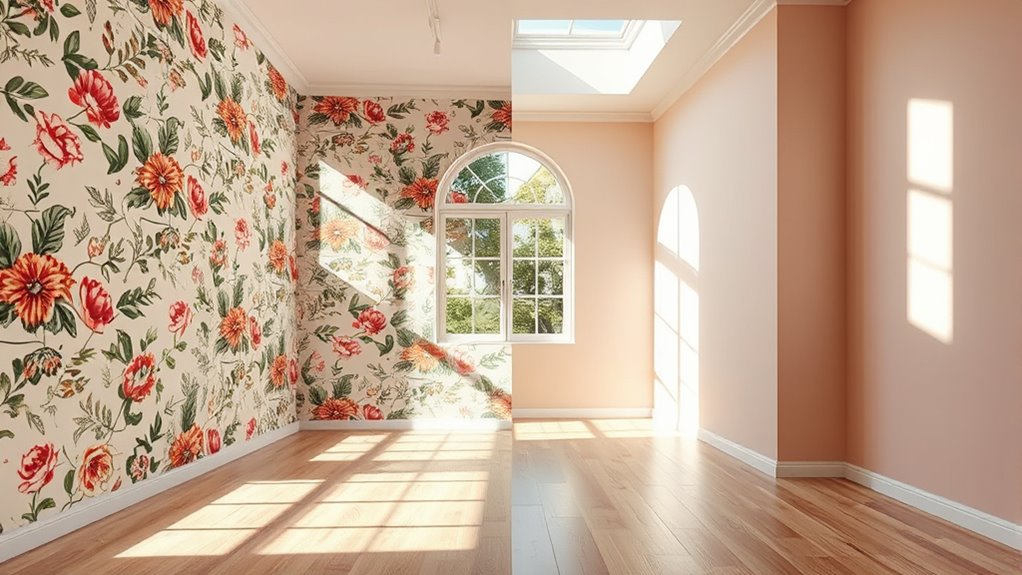
When choosing between wallpaper and paint, you’ll want to contemplate how eco-friendly each option is and how it affects indoor air quality. Many wallpapers now use sustainable materials, reducing environmental impact, while some paints emit volatile organic compounds (VOCs) that can harm your health. Making an informed choice helps protect both the environment and your home’s air quality. Additionally, considering paint sprayer applications can ensure your painting process is efficient and minimizes overspray, further supporting eco-friendly practices.
Eco-Friendly Materials Usage
Eco-friendly materials for wallpaper and paint prioritize safety and environmental health by reducing harmful chemicals and emissions. These options often feature sustainable sourcing, ensuring raw materials are renewable and responsibly harvested. Biodegradable components break down naturally, minimizing long-term waste and pollution. This approach helps protect ecosystems and reduces the carbon footprint of production processes. To better understand, consider this table:
| Material Type | Source | Environmental Benefit |
|---|---|---|
| Bamboo-based wallpaper | Sustainable sourcing | Rapid renewability |
| Natural clay paints | Local, biodegradable | Low emissions, non-toxic |
| Plant-based dyes | Organic cultivation | Reduced chemical use |
| Recycled fibers | Waste reuse | Less landfill waste |
Choosing eco-friendly options supports a healthier planet while safeguarding your indoor environment.
Indoor Air Quality Concerns
Choosing environmentally conscious materials for wallpaper and paint not only benefits the planet but also directly impacts the air you breathe indoors. Poor air circulation can trap fumes from chemical off gassing, which is common with many paints and wallpapers containing volatile organic compounds (VOCs). These emissions can linger for weeks or even months, potentially causing headaches, allergies, or respiratory issues. To minimize health risks, opt for low-VOC or VOC-free options and ensure proper ventilation during and after application. Improving air circulation by opening windows or using exhaust fans helps disperse any lingering fumes. Additionally, understanding the health implications of chemical exposure emphasizes the importance of selecting safer, eco-friendly products. By paying attention to these safety factors, you create a healthier indoor environment that promotes better air quality and reduces exposure to harmful chemicals.
Time Investment and Renovation Speed
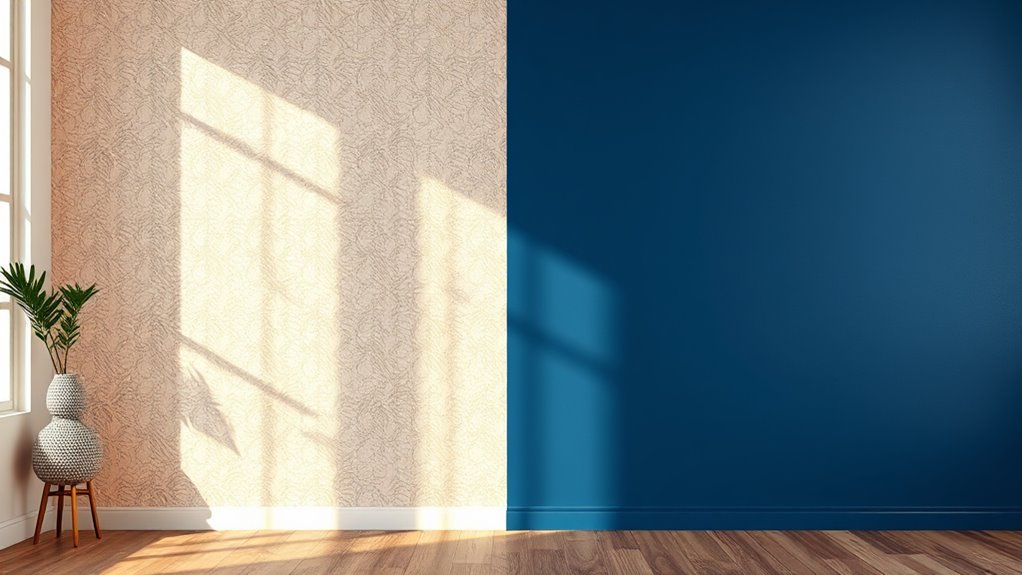
Wallpaper typically takes longer to install and remove than paint, making it a more time-consuming choice for quick renovations. The process of hanging wallpaper involves precise measurements, aligning patterns, and allowing adhesives to set, which reduces your timing efficiency. Removal can also be labor-intensive, often requiring special solutions and careful peeling. In contrast, applying paint is faster—usually just a matter of priming, rolling or brushing, and drying time. This means your renovation pace is quicker with paint, allowing you to complete projects in less time. If you need a speedy update, paint offers a clear advantage by minimizing downtime and effort. Overall, your choice impacts how quickly you can refresh a space and move on to other tasks.
Suitability for Different Rooms and Spaces

When deciding between wallpaper and paint for different rooms, consider each option’s strengths and limitations based on the space’s function and environment. Wallpaper often enhances room comfort by adding texture and insulation, making it ideal for bedrooms or media rooms where noise insulation matters. It dampens sound and maintains a cozy atmosphere. Paint, on the other hand, is more versatile for high-traffic areas like kitchens and bathrooms, where moisture resistance is essential. Paint is easier to clean and refresh, but doesn’t provide much noise insulation. For spaces requiring soundproofing or added warmth, wallpaper can be a better choice. Conversely, for areas needing quick updates or frequent cleaning, paint offers practicality. Match your choice to the room’s purpose for maximum comfort and functionality. Additionally, understanding regional legal resources can be helpful if you decide to update or renovate your space and need professional guidance.
Frequently Asked Questions
How Does Wallpaper Impact Indoor Air Quality Over Time?
Wallpaper can impact your indoor air quality over time by trapping airborne particles and allergens, which may lead to buildup if not cleaned regularly. This buildup can worsen allergies or respiratory issues, especially in humid environments. However, choosing low-VOC or non-toxic wallpaper reduces these risks. Regular dusting and ventilation help minimize allergen accumulation, ensuring your indoor air stays fresher and healthier as time passes.
Can Paint or Wallpaper Be Easily Removed Without Wall Damage?
You can remove paint or wallpaper easily without wall damage if you choose the right method. For wallpaper, use a wallpaper steamer or remover solution to loosen the adhesive, making wall removal straightforward and minimizing surface damage. With paint, gently sanding or using a paint stripper helps peel off old coats without harming the wall surface. Proper techniques ensure a smooth removal process, leaving your walls ready for a fresh new look.
Which Option Offers Better Insulation Properties?
Wallpaper generally offers better insulation properties compared to paint. It creates an extra layer that enhances thermal insulation, helping you retain heat and improve energy efficiency in your home. This means you could see lower heating bills and a warmer environment. While paint provides some insulation, it’s not as effective. So, if insulation is your priority, opting for wallpaper can make a noticeable difference in maintaining a cozy, energy-efficient space.
How Do Humidity Levels Affect Wallpaper and Paint Longevity?
Imagine your walls as a breathing canvas; high humidity makes them vulnerable. Excess moisture can weaken wallpaper’s adhesive, causing peeling and mold growth, while paint might bubble or fade over time. To protect your space, choose moisture-resistant options and guarantee proper ventilation. This approach helps prevent mold and extends your wall coverings’ lifespan, keeping your home fresh and vibrant even in humid environments.
Are There Eco-Friendly or Non-Toxic Options Available for Both?
Yes, you can choose eco-friendly paints and non-toxic wallpapers for a healthier home. Eco-friendly paints often contain low or zero volatile organic compounds (VOCs), reducing indoor air pollution. Non-toxic wallpapers are made from natural or sustainable materials, avoiding harmful chemicals. Both options are great for environmentally conscious choices, offering safe, stylish solutions that protect your indoor air quality while reducing your ecological footprint.
Conclusion
So, whether you choose wallpaper or paint, remember it’s just a surface-level decision—literally. Paint’s quick fix might make you feel like a decorating genius, but wallpaper’s intricate patterns say, “Yeah, I’ve got time and patience.” Either way, your walls will be the talk of the town—or at least the envy of your Instagram followers. Just pick your poison, roll up your sleeves, and hope your walls don’t judge you afterward.