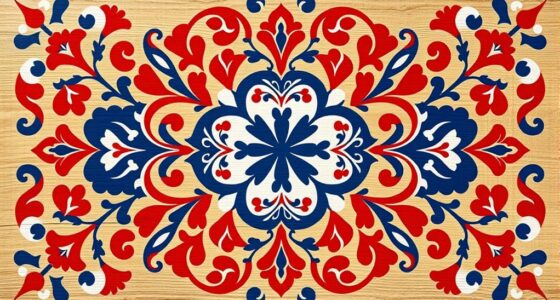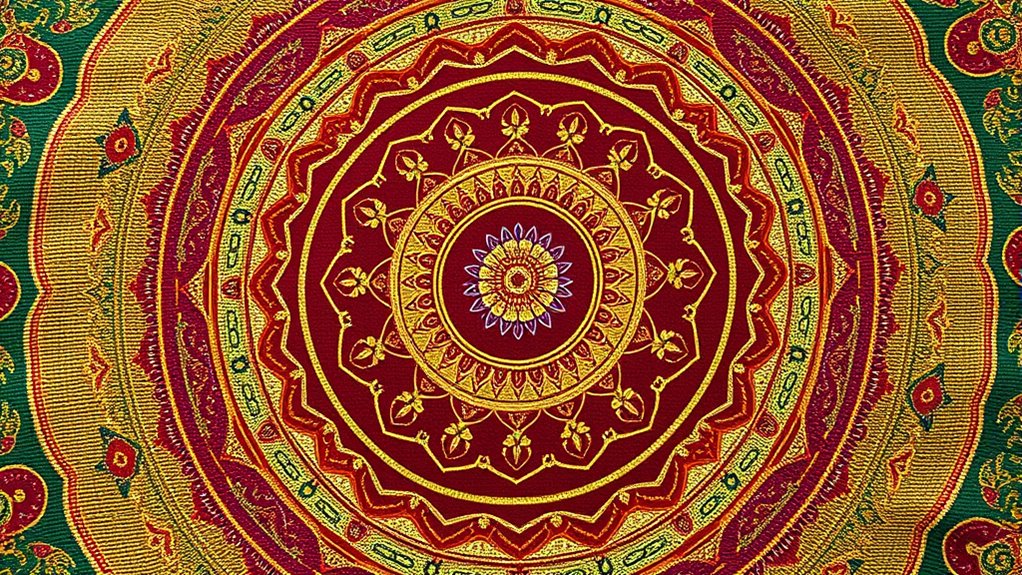

Traditional Indian mandala motifs symbolize spiritual unity, cosmic order, and cultural identity. They feature intricate geometric patterns, symmetrical designs, and meaningful colors to represent harmony, eternity, and growth. These motifs originate from ancient practices and are used in rituals to connect physical and spiritual worlds. Their precise craftsmanship and symbolism continue to inspire modern art and design. Exploring deeper reveals how these beautiful symbols enrich both spiritual and cultural life across India.
Key Takeaways
- Indian mandala motifs are rooted in ancient spiritual practices, symbolizing cosmic order and spiritual unity.
- They feature geometric symmetry, intricate patterns, and symbols that reflect balance and spiritual growth.
- Central points and circles in mandalas represent unity, eternity, and cyclical nature of life.
- Traditional designs use harmonious colors like reds, blues, and golds, each carrying specific spiritual meanings.
- Crafted with meticulous techniques on various materials, blending symbolism with artistic craftsmanship.
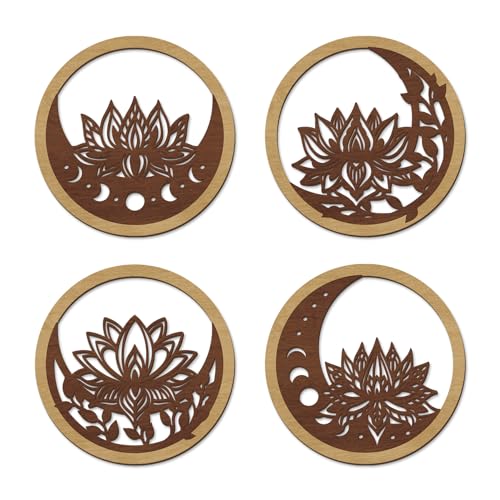
TOARTi 4PCS Buddha Brown Lotus Wooden Wall Art Vintage Mandala Lotus Wall Decor for Living Room Office Bathroom Artwork Indian Mandala Flower Hanging Plaque Abstract Mandala Wood Sign for Yoga Room
Brown floral artwork are designed with traditional style, adopting lotus and sun moon , clear and geometric, modern…
As an affiliate, we earn on qualifying purchases.
As an affiliate, we earn on qualifying purchases.
Historical Roots and Cultural Significance

Indian mandala motifs have deep roots in ancient spiritual practices and cultural traditions. You’ll find these intricate designs historically used in meditative practices, helping practitioners focus and attain spiritual clarity. They serve as powerful symbols in rituals, representing cosmic order and unity. These motifs are more than decorative; they embody ritual symbolism that connects the physical and spiritual worlds. Mandalas act as visual tools to guide meditation, channel energy, and foster inner peace. Their origins trace back thousands of years, reflecting India’s rich spiritual heritage. Additionally, the geometric patterns often incorporate specific symbolic meanings, reinforcing their role in spiritual symbolism and cultural identity. By engaging with these motifs, you participate in a tradition rooted in sacred rituals and meditative disciplines, emphasizing harmony, balance, and spiritual growth that continues to influence Indian cultural expressions today.
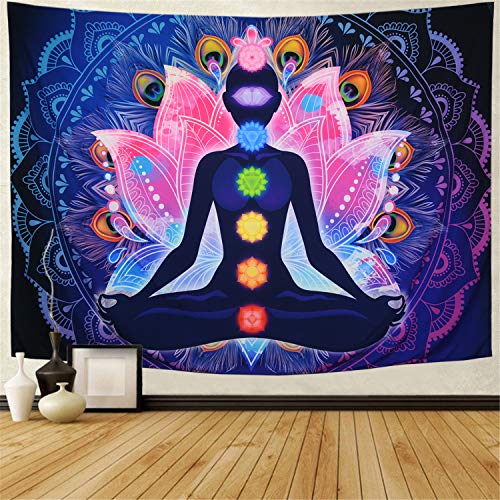
Maccyafst Seven Chakra Yoga Meditation Wall Hanging – Colorful Mandala Indian Hippie Chakra Tapestry for Studio Room (H51.2 W59.1)
Soft Material: This seven chakra tapestry is made of 100% premium polyester fiber which is soft, durable and…
As an affiliate, we earn on qualifying purchases.
As an affiliate, we earn on qualifying purchases.
Core Elements and Symmetrical Patterns

At the heart of mandala design are core elements like geometric shapes, intricate patterns, and symbolic motifs that work together to create a unified visual harmony. You’ll notice that geometric symmetry is fundamental, providing balance and order to the design. This symmetry isn’t random; it reflects harmony and spiritual unity. Color symbolism also plays a key role, with specific colors representing different energies or concepts, enhancing the mandala’s meaning. Repeating shapes and patterns radiate outward in a precise, symmetrical arrangement, guiding your eye toward the center. These core elements guarantee that each mandala is not only visually appealing but also deeply meaningful, embodying a sense of stability and spiritual integrity through carefully crafted geometric and color arrangements. Additionally, understanding AI security helps ensure that digital representations and virtual designs of mandalas are protected from tampering and misuse.

raajsee Indian Cotton Purple Tapestry Mandala Wall Hangings, Hippie Tapestries,Boho Throw Bohemian Bedding, Beach Blanket, Yoga Meditation Rugs Queen Bedspread Queen (82×92 Inches / 210×232 Cms)
Printing by hand will incur minor imperfections; Due to its unique and handmade nature, the measurements above may…
As an affiliate, we earn on qualifying purchases.
As an affiliate, we earn on qualifying purchases.
Symbolism and Spiritual Meanings
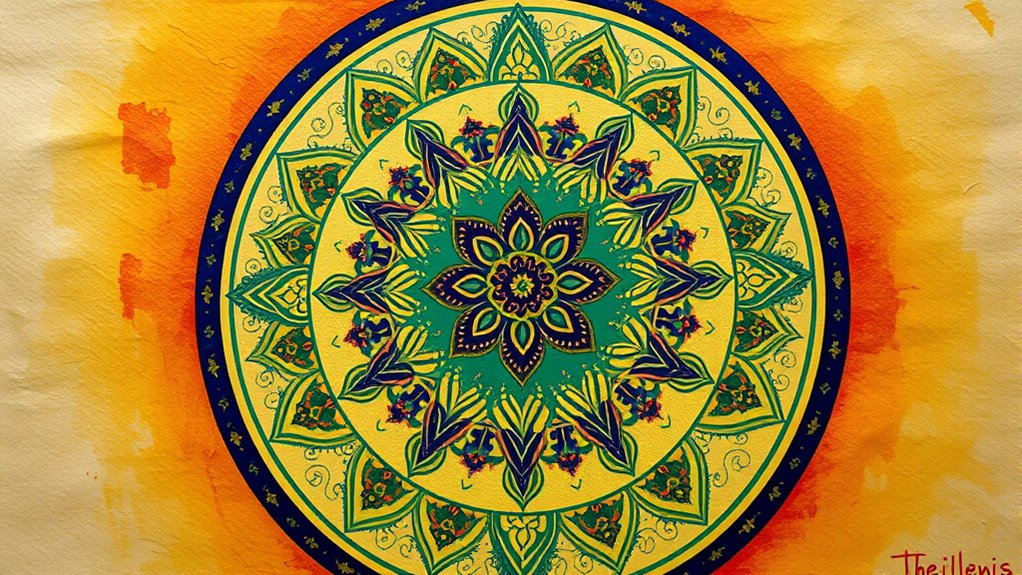
The intricate patterns and symmetrical arrangements in mandalas are more than just visually appealing—they’re rich with symbolism that conveys deeper spiritual meanings. You can use mandalas in meditative practices to focus your mind and connect with higher consciousness. Each element represents specific concepts, such as:
- The central point symbolizes unity and the origin of life.
- Circles represent wholeness, eternity, and the cyclical nature of existence.
- Geometric shapes embody ritual symbolism, guiding spiritual growth and enlightenment.
- The use of precise color symbolism enhances the meditative experience by aligning with specific spiritual attributes.

Wonderjune 2 Pack 12 Inch Wooden Mandala Wall Decor Diwali Crafts Large Mandala Wall Hanging DIY Hanging Decor with 12 Markers for Adults Stress Relief Office Bedroom Farmhouse Kitchen(Classic Style)
Unleash Creativity with DIY Element: the wooden mandala wall decor set comes with two mandala wood counts and…
As an affiliate, we earn on qualifying purchases.
As an affiliate, we earn on qualifying purchases.
Techniques and Materials Used in Crafting Mandalas

Have you ever wondered how mandalas are crafted with such precision and beauty? It all starts with selecting a harmonious color palette, often incorporating vibrant reds, blues, and golds that symbolize spiritual qualities. Artists use meticulous cutting techniques to shape intricate patterns from materials like paper, wood, or metal. These techniques involve careful carving, slicing, and layering to achieve detailed symmetry. The choice of material influences the tools and methods, whether delicate scissors for paper or chisels for wood and metal. Precision is key, as each cut must align perfectly to create the balanced, geometric designs characteristic of traditional Indian mandalas. By combining a thoughtful color palette with expert cutting techniques, artisans bring these sacred symbols to life with stunning clarity and harmony. Proper material selection is essential for ensuring durability and the desired aesthetic effect in the final piece.
Modern Adaptations and Contemporary Uses
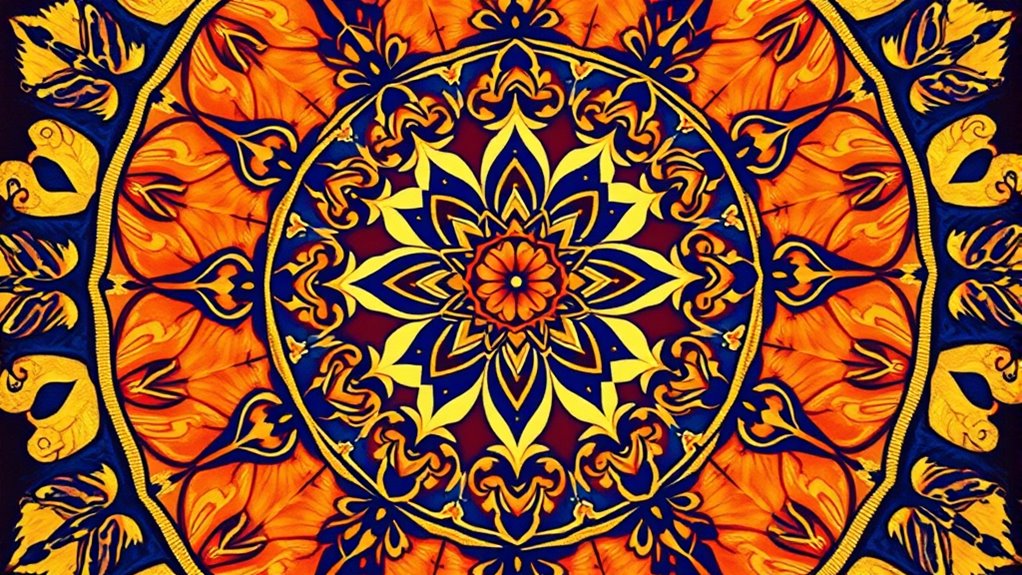
Modern artists and designers have embraced traditional Indian mandalas, transforming them into versatile symbols that suit contemporary aesthetics and applications. You’ll see digital reinterpretations where mandalas are integrated into apps, websites, and digital art, offering fresh ways to engage with the motifs. Street art adaptations also bring mandalas into public spaces, blending traditional symbolism with urban culture. Here are some ways they’re used today:
- Digital reinterpretations in graphic design and social media visuals
- Street art murals that incorporate mandala patterns for vibrancy and meaning
- Fashion and home decor items featuring modern mandala prints
- Incorporating vertical storage solutions and other organizational elements inspired by traditional symmetry enhances the aesthetic appeal of modern mandala designs.
These adaptations keep the spiritual and aesthetic essence alive while making them relevant for modern audiences. You can explore how ancient symbols continue to inspire new creative expressions.
Frequently Asked Questions
How Do Mandala Designs Vary Across Different Indian Regions?
You’ll notice mandala designs vary across Indian regions due to regional styles and cultural influences. In Gujarat, they often feature intricate geometric patterns, while South Indian mandalas incorporate vibrant colors and motifs inspired by temple art. North Indian mandalas tend to be more symmetrical with floral elements, reflecting diverse spiritual traditions. These regional differences showcase how local culture and history shape mandala designs, making each one unique and meaningful.
Are There Specific Colors Associated With Particular Spiritual Meanings?
You’ll find specific colors in Indian mandalas that carry deep spiritual associations and symbolism. For example, red signifies energy and passion, while blue represents tranquility and divine connection. Yellow often symbolizes knowledge and learning, and white stands for purity. By choosing these colors intentionally, you can enhance the spiritual meaning of your mandala, creating a powerful visual that resonates with specific spiritual intentions and brings harmony to your meditation or ritual practice.
What Are Common Mistakes to Avoid When Creating Traditional Mandalas?
When creating traditional mandalas, you should avoid symmetry errors and color misalignment, as they can disrupt the balance and harmony of the design. Take your time to guarantee each element is precisely mirrored and colors are consistently applied. Double-check your work regularly to maintain the intricate symmetry and vibrant, meaningful colors. This careful attention helps preserve the mandala’s spiritual significance and visual beauty.
How Can Beginners Start Learning to Draw Mandala Motifs?
Did you know that many beginners find mandala drawing incredibly calming? To start, focus on basic drawing techniques like symmetry and steady lines. Use symbolic color choices to enhance meaning and practice regularly. Begin with simple shapes and patterns, gradually increasing complexity. Keep a sketchbook handy, experiment freely, and don’t worry about perfection. With patience and dedication, you’ll develop confidence in creating beautiful, meaningful mandala motifs.
In What Ways Are Mandalas Incorporated Into Indian Festivals and Rituals?
You can see mandalas incorporated into Indian festivals and rituals through meditative practices and ritual symbolism. During celebrations like Diwali or Navratri, people create intricate mandalas with colored powders, flowers, or rice to focus their minds and invoke spiritual energy. These designs symbolize the universe and spiritual harmony, helping participants connect deeply with their faith and cultural traditions through visual meditative practices and meaningful ritual symbolism.
Conclusion
By exploring traditional Indian mandalas, you see how their intricate designs embody spiritual meaning and cultural history. Imagine creating a personalized mandala for meditation, blending ancient symbolism with modern art. These patterns not only connect you to centuries of tradition but also serve as a tool for self-reflection and healing. Embrace the complexity and beauty of mandalas to deepen your understanding of Indian heritage and enrich your own creative journey.