
TL;DR

Get furniture and decor delivered free — and shop member deals
- Fast, free delivery on millions of items
- Access to Prime Big Deal Days deals on October 6–7
- Prime Video, Amazon Music and more included
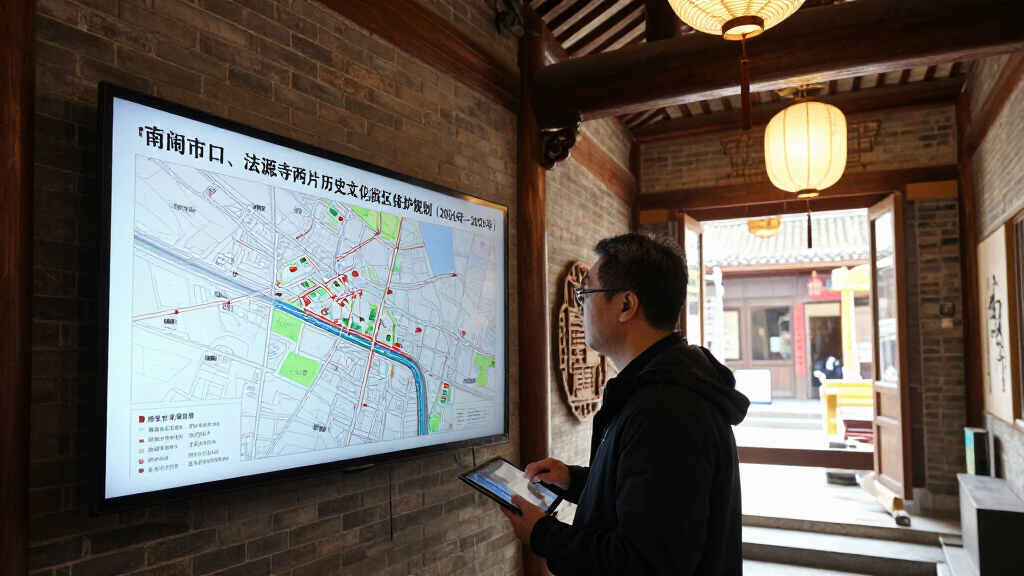
Beijing authorities have released a draft protection plan for the South Nao Market and Fayuan Temple districts covering 2026 to 2035. The public is invited to review and comment on the proposal, which aims to preserve these historic areas.
The Beijing Municipal Government has officially launched a public consultation process for the draft Protection Plan of the South Nao Market and Fayuan Temple Historic and Cultural Districts (2026–2035). The plan, now available for review on the Beijing government portal, aims to outline preservation, development, and management strategies for these culturally significant districts over the next decade and a half. This move signals a formal step toward engaging community input on safeguarding Beijing’s historic sites, with the draft open for public comments until early May 2026.
The draft protection plan covers two key historic districts: the South Nao Market, a traditional commercial hub with deep roots in Beijing’s local economy, and the Fayuan Temple area, renowned for its cultural and religious significance. The plan sets out proposed measures for conservation, urban renewal, tourism management, and infrastructure upgrades, emphasizing the importance of balancing development with heritage preservation. According to the Beijing Municipal Government Portal, the plan is designed to guide the districts’ evolution from 2026 through 2035, ensuring their historical integrity while accommodating modern urban needs.
The public consultation phase is part of Beijing’s broader effort to involve local residents, business owners, cultural experts, and other stakeholders in shaping the future of these districts. The draft document is accessible online, and officials have encouraged community feedback to refine the final protection strategy. The consultation period is scheduled to run until early May 2026, after which the city government will review comments and finalize the plan.
Implications for Beijing’s Cultural Preservation Efforts
This public consultation marks a significant step in Beijing’s ongoing efforts to preserve its cultural heritage amid rapid urbanization. By actively involving community stakeholders, the city aims to develop a comprehensive strategy that respects historical authenticity while supporting sustainable development. The plan’s implementation could influence future policies on heritage conservation, tourism, and urban planning in other historic districts across the city.
Moreover, the initiative underscores Beijing’s commitment to maintaining its identity as a cultural capital. The districts involved, especially Fayuan Temple, are considered vital to the city’s religious and cultural landscape. How effectively the plan balances preservation with modernization will impact the districts’ long-term viability and their role in Beijing’s cultural tourism sector.
Beijing historic district guidebook
As an affiliate, we earn on qualifying purchases.
As an affiliate, we earn on qualifying purchases.
Background of the South Nao Market and Fayuan Districts
The South Nao Market has historically been a bustling commercial area, serving local residents and traditional merchants, with origins dating back several centuries. Its architecture and street layout reflect Beijing’s traditional market culture, making it a key site for heritage conservation efforts. Fayuan Temple, established during the Tang Dynasty, is one of the city’s oldest Buddhist temples and a designated cultural relic site. It attracts numerous visitors and scholars interested in Chinese religious history.
In recent years, Beijing has intensified efforts to protect its historic districts amid urban expansion, with several districts undergoing renovation and conservation projects. The draft protection plan for these two areas is part of a broader city strategy to integrate heritage preservation into urban development plans. The initiative follows previous policies aimed at safeguarding cultural landmarks while promoting tourism and local economic vitality.
Interest in the plan has surged amid broader discussions about sustainable urban growth and cultural identity preservation in Beijing, with community groups and cultural advocates actively engaging in related debates. However, the specifics of how the plan will be implemented and funded remain to be clarified.
Unconfirmed Aspects of the Final Preservation Strategy
It is not yet clear how the final plan will address potential conflicts between heritage preservation and urban development pressures. Details about funding, specific renovation measures, and implementation timelines remain to be announced after the consultation period concludes. Additionally, the extent of community influence on final decisions has yet to be determined, as officials have not provided explicit criteria for incorporating public feedback into the final plan.
Next Steps After Public Review Period Closes
Following the public consultation period ending in early May 2026, Beijing authorities will review all submitted comments and suggestions. A revised version of the protection plan is expected to be published later in 2026, incorporating community feedback and expert input. The city government will then proceed with formal approval processes, including potential adjustments based on public input. Implementation of specific conservation and development measures is anticipated to begin in 2027, with ongoing monitoring and community engagement throughout.
Key Questions
How can residents submit feedback on the draft plan?
Residents and stakeholders can review the draft protection plan on the Beijing Municipal Government Portal and submit their comments through the designated online feedback form or during scheduled public hearings.
What are the main goals of the protection plan?
The plan aims to preserve the historical and cultural integrity of the South Nao Market and Fayuan Temple districts, support sustainable urban development, and promote cultural tourism while respecting local community needs.
Will there be physical changes to the districts during the plan’s implementation?
Specific renovation and conservation projects are still under discussion, but the plan emphasizes careful preservation of historic architecture and streetscapes, with modernization efforts designed to complement the districts’ cultural character.
How does this plan compare to previous heritage preservation efforts in Beijing?
This plan builds on earlier initiatives but appears to emphasize greater community involvement and integrated urban development, reflecting evolving policies on heritage management.
When will the final version of the protection plan be announced?
The final plan is expected to be published after the review of public comments, likely in late 2026, with formal approval and implementation to follow in the subsequent years.
Source: local
Halloween Picks
halloween
As an affiliate, we earn on qualifying purchases.