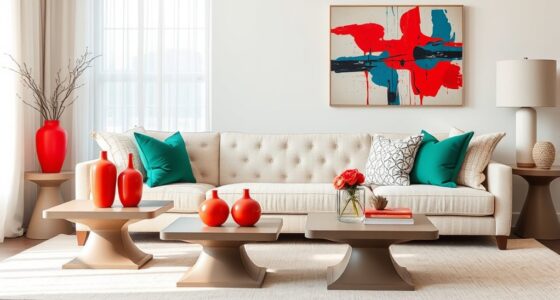
Gray in interiors isn’t just a safe neutral; it’s a versatile color that can express warmth, coolness, depth, or personality. You can shift its tone from cozy, warm shades to calming, cool ones, creating different moods. Using layered shades, textures, and vibrant accents makes gray dynamic and engaging. It serves as an ideal backdrop for various styles and personal touches, opening up endless design possibilities. If you explore further, you’ll discover how to make gray truly stand out in your space.
Key Takeaways
- Layer different shades of gray and textures to create depth, interest, and a dynamic ambiance beyond a simple neutral background.
- Incorporate bold colors, artwork, and decorative accents to transform gray interiors into expressive, vibrant spaces.
- Use varying lighting techniques and tactile materials to add dimension and prevent gray spaces from feeling flat or dull.
- Pair gray with contrasting or warm neutrals to evoke specific moods and add visual richness.
- Embrace gray as a versatile canvas that supports diverse design styles, from modern minimalism to eclectic sophistication.
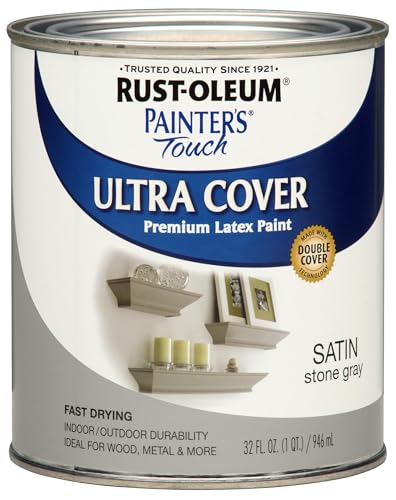
Rust-Oleum 267335 Painter's Touch Latex Acrylic Paint, Satin Stone Gray 32 Fl Oz (Pack of 1)
Use for a variety of indoor and outdoor project surfaces including wood, metal, plaster, masonry or unglazed ceramic
As an affiliate, we earn on qualifying purchases.
As an affiliate, we earn on qualifying purchases.
The Versatility of Gray: From Warm to Cool Tones
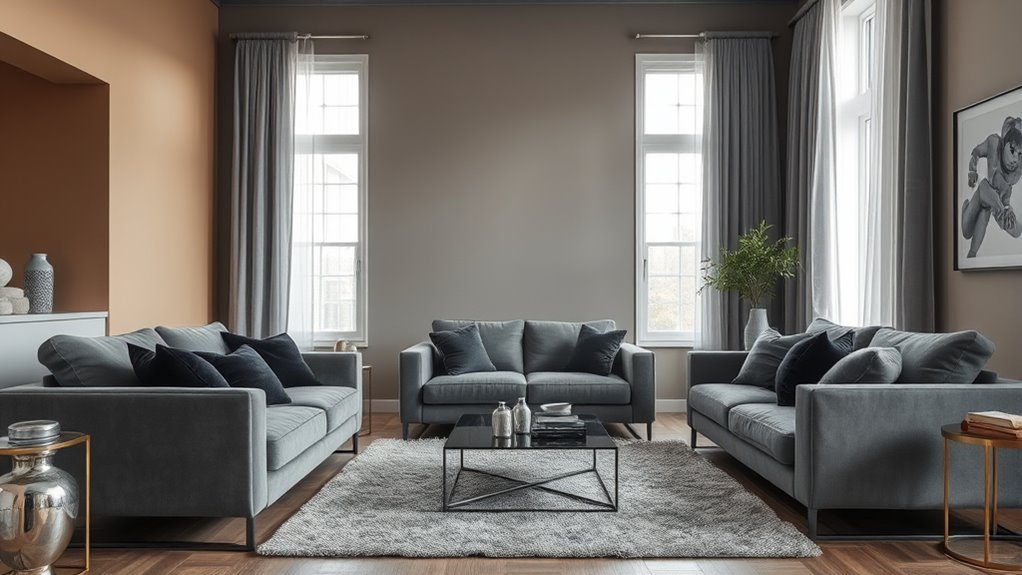
Gray is incredibly versatile, easily shifting from warm to cool tones to suit any interior style. This adaptability stems from its deep connection to gray psychology, which influences mood and perception. Warm grays, reminiscent of gray in nature like weathered wood or sandy beaches, create cozy, inviting spaces. They evoke comfort and relaxation, making them perfect for living rooms or bedrooms. On the other hand, cool grays resemble misty mornings or mountain stones, offering a sleek, modern feel. These shades promote calmness and focus, ideal for workspaces or minimalist designs. By understanding gray’s range, you can tailor your environment to influence feelings intentionally, whether you want a tranquil retreat or a vibrant, energetic space. Additionally, incorporating environmental considerations ensures your design choices support sustainability. Gray’s flexibility makes it a powerful tool in interior design.

BlissBlush Gray Boho Throw Pillow Cover 20×20 Grey Decorative Accent Pillow for Couch Square Woven Textured Pillowcase Modern Farmhouse Pillow for Bed Bohemian Pillow Cover (Pack of 1)
Cover Only: Boho Decorative SquareThrow Pillow Cover 20×20
As an affiliate, we earn on qualifying purchases.
As an affiliate, we earn on qualifying purchases.
Creating Mood With Different Shades of Gray
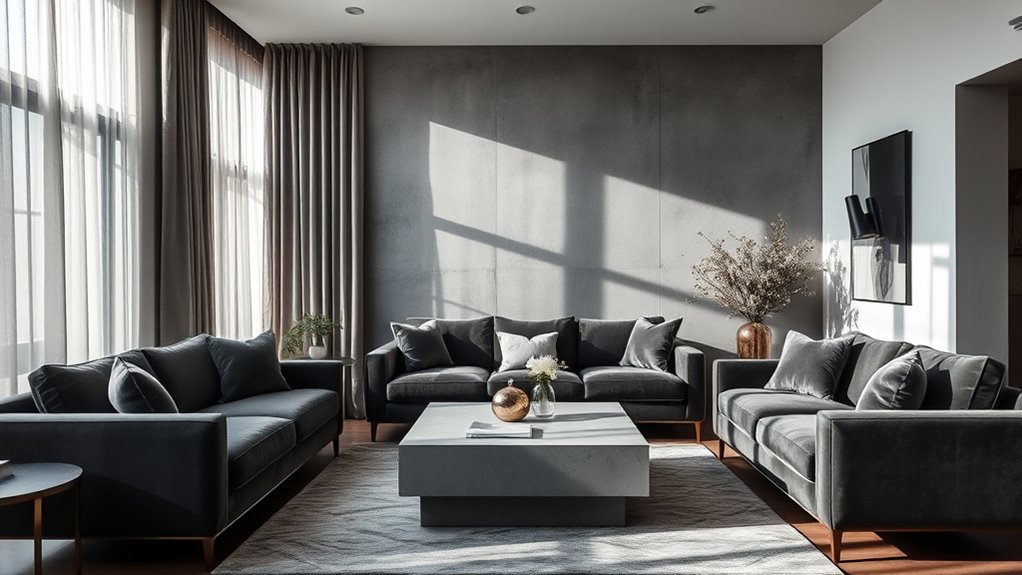
You can set the mood in your space by layering different shades of gray, creating depth and interest. Lighter grays can brighten a room and evoke calm, while darker tones add sophistication and coziness. By thoughtfully choosing and combining shades, you enhance the ambiance to match your desired atmosphere. Considering resources and tools available can help you select the perfect shades to achieve your vision.
Layering Gray Tones
By layering different shades of gray, you can effortlessly create a dynamic and nuanced atmosphere in your interior space. This technique allows you to develop depth and interest, whether through monochrome schemes or color blocking. Use lighter grays for walls to open up the room, then add medium tones in furniture or textiles for balance. Darker grays create contrast and anchor the space, enhancing the layered effect. Mixing shades avoids monotony and adds sophistication. Consider this approach for a modern, cohesive look that plays with mood and texture. Here’s a simple guide to pairing shades:
| Light Gray | Medium Gray | Dark Gray |
|---|---|---|
| Walls | Upholstery | Accent Pieces |
| Curtains | Rugs | Decor Items |
| Bed Linens | Cabinets | Framing |
This method keeps your design fresh and engaging. Additionally, incorporating varied gray tones can help highlight different textures and materials, making your space more visually interesting.
Enhancing Ambiance With Shades
Different shades of gray have a powerful ability to set the mood in your interior space. Color psychology shows that lighter grays evoke calmness and serenity, perfect for relaxing areas, while darker shades create a sense of sophistication and intimacy. Historically, gray has been used to symbolize neutrality and balance, making it a versatile choice for various design styles. By choosing different shades, you can influence the ambiance—soft grays foster tranquility, while charcoal or slate tones add drama and depth. Mixing shades within a room enhances visual interest and prevents monotony. Additionally, understanding the size limitations of tiny houses can inspire compact yet stylish design solutions in small spaces. Understanding the emotional impact and historical significance of gray allows you to craft an environment that not only looks stylish but also feels just right for the mood you want to create.

8×10 Area Rugs Washable Rug: Anti-Skid Abstract Modern Living Room Rug Soft Thin Carpets Indoor Floor Non-Shedding Carpet for Bedroom Dining Farmhouse Nursery Home Office (White Gray, 8'x10')
Experience Unmatched Comfort – Ultra-Soft Low Pile Rug: The Crority living room rugs 8×10 combines durability with a…
As an affiliate, we earn on qualifying purchases.
As an affiliate, we earn on qualifying purchases.
Pairing Grays With Bold Colors for Impact
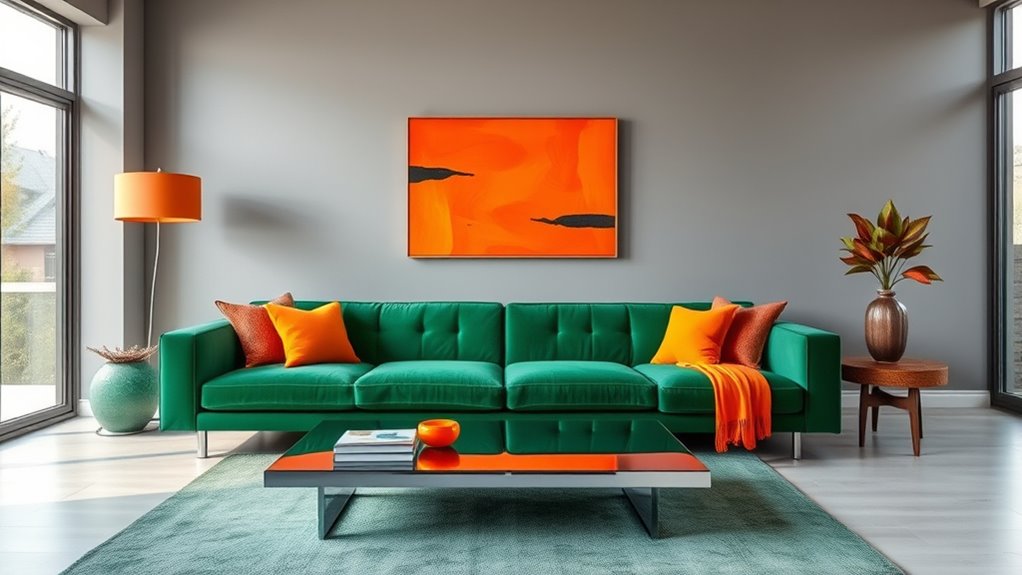
Pairing grays with bold colors creates a striking visual contrast that adds energy and personality to any space. To achieve this, incorporate bold accents like vibrant reds, blues, or yellows against a neutral gray backdrop. Color blocking is an effective technique—use large, distinct sections of color to create a dynamic look that commands attention. You can paint an accent wall in a daring hue or add bold furniture pieces to stand out. This contrast emphasizes the gray’s sophistication while injecting vibrancy. Keep accessories and decor minimal to let the bold colors truly pop. The combination balances neutrality with excitement, making your space feel both modern and lively. It’s a simple way to make a statement without overwhelming the senses. Additionally, understanding color contrast principles can help you create a more balanced and visually appealing design.

OttLite Cool Breeze LED Lamp with Fan (Gray) – 3-Speed Bladeless Fan & 5 Brightness Settings with Touch Activated Controls, Energy-Efficient Natural Daylight LEDs for Home Office, Desk, & Dorms
Bladeless Fan Lamp: With its sleek innovative design, the OttLite Cool Breeze LED Fan Lamp is perfect for…
As an affiliate, we earn on qualifying purchases.
As an affiliate, we earn on qualifying purchases.
Textural Play: Enhancing Gray Spaces With Material Mixes
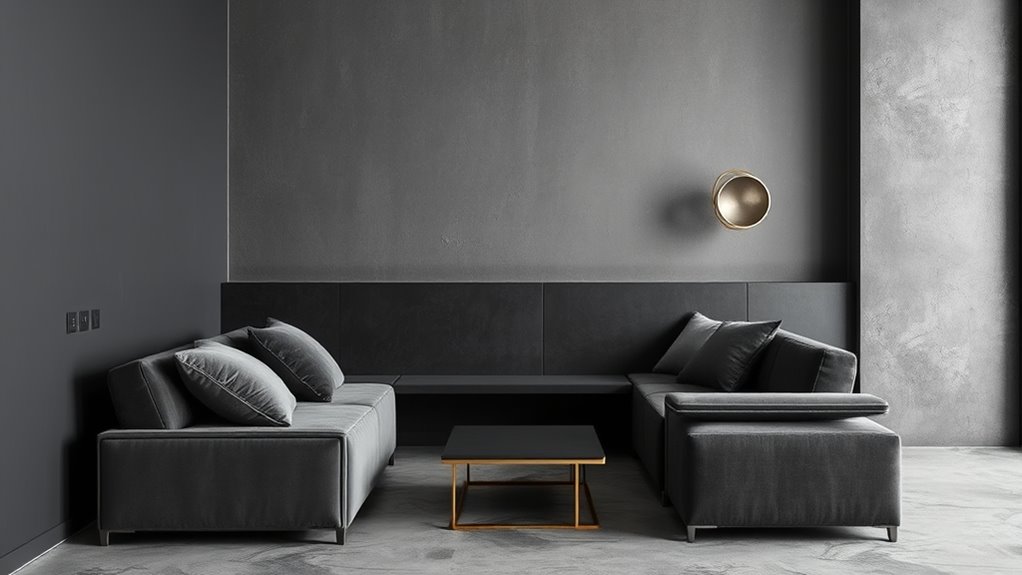
Adding a variety of textures is one of the most effective ways to bring warmth and visual interest to gray interiors. By embracing textural contrast, you create a layered, dynamic space that feels inviting rather than flat. Material mixing is key—combine smooth surfaces like polished stone or glass with rougher elements such as woven textiles or weathered wood. This interplay keeps the eye engaged and prevents gray from feeling monotonous. Think beyond color; focus on tactile differences to add depth. Incorporate plush rugs, matte-finished furniture, or textured wall coverings to amplify the effect. Utilizing textural contrast enhances the sensory richness of the space and makes gray tones more engaging. When you intentionally blend textures, you transform a simple gray palette into a rich, sensory experience that’s both sophisticated and cozy.
Using Gray as a Foundation for Eclectic Styles

Building on the idea of textural contrast, gray serves as an ideal foundation for eclectic interiors that thrive on diversity and surprise. Its neutral tone allows you to incorporate various styles, colors, and patterns without overwhelming the space. Gray’s versatility aligns with color psychology, evoking calmness and balance amid vibrant accents. Its historical significance as a symbol of sophistication and stability adds depth to your decor. By pairing gray with bold hues or vintage pieces, you create a layered, dynamic environment that reflects your personality. Use this table to explore different emotional responses and design choices:
| Emotion/Style | Example Elements |
|---|---|
| Calmness | Soft textiles, muted artwork |
| Excitement | Bright accessories, eclectic art |
| Sophistication | Antique furniture, metallic accents |
| Warmth | Wooden textures, warm lighting |
| Playfulness | Whimsical patterns, colorful décor |
Incorporating Gray in Modern and Minimalist Interiors

In modern and minimalist interiors, gray acts as a sleek, unobtrusive backdrop that enhances clean lines and open spaces. Its neutral tone supports the color psychology of calmness and balance, helping to create a serene environment. Historically, gray has been associated with sophistication and restraint, reflecting its versatile nature across different eras. Incorporating gray in your design emphasizes simplicity and functionality, key principles of modern and minimalist styles. You might choose light gray walls to amplify natural light or darker shades for depth without overwhelming the space. Gray’s subtle elegance allows your other design elements, like furniture or textiles, to stand out. By understanding its historical context and psychological impact, you can confidently use gray as a foundational color that promotes tranquility and timeless appeal. Additionally, understanding Hackathons can inspire innovative thinking and problem-solving approaches that can translate into creative interior solutions.
Accentuating Gray Walls With Art and Decor
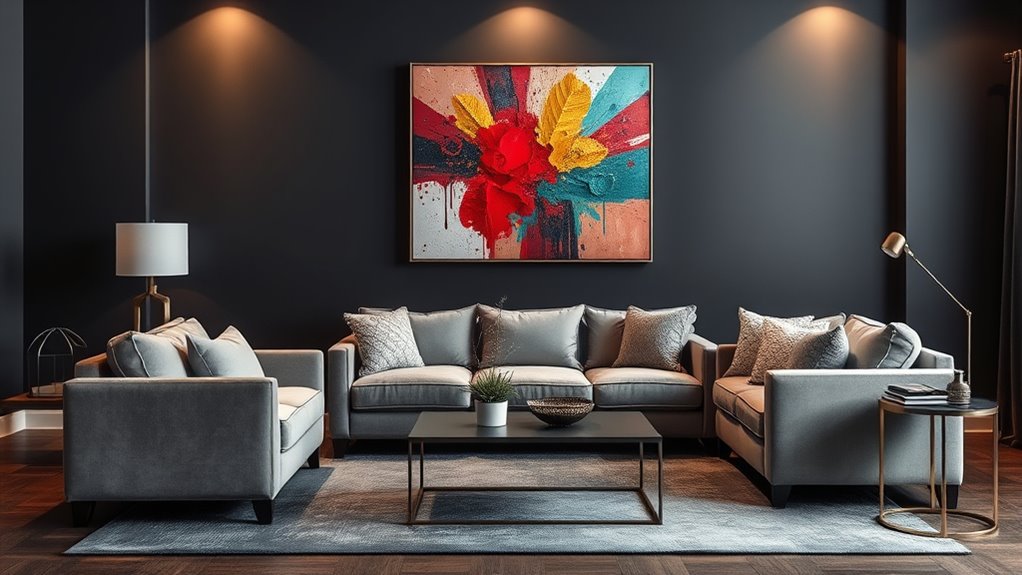
Gray walls provide a sophisticated canvas that can be beautifully enhanced with carefully chosen art and decor. To create a striking focal point, select statement decor that reflects your personality and style. Thoughtful artwork placement transforms the space, guiding the eye and adding depth. Consider these ideas:
- Use large, bold artwork to evoke emotion and anchor the room.
- Mix textures with sculptural decor to add tactile interest.
- Incorporate metallic accents for subtle contrast and elegance.
- Hang art at eye level to maximize impact and balance.
Layering Grays for Depth and Dimension

By layering different shades of gray, you can add remarkable depth and dimension to your interiors. Varying the tones creates visual interest and prevents your space from feeling flat. Play with lighting effects—use soft, layered lighting to highlight subtle color differences and enhance shadows. Your furniture choices also matter; mix light and dark gray pieces to build contrast and richness. Incorporate textures like velvet, matte, or gloss to add layers of visual and tactile depth. Here’s a quick guide:
| Light Gray | Medium Gray | Dark Gray |
|---|---|---|
| Soft lighting | Textured fabrics | Deep charcoal |
| Glossy finishes | Matte surfaces | Dim ambient light |
| Reflective surfaces | Cozy throws | Bold accent pieces |
| Brightening walls | Balanced furniture | Statement art |
| Subtle decor | Layered textiles | Rich, dark accents |
This layering creates a sophisticated, dynamic space. Additionally, integrating space optimization techniques can help you make the most of your gray-themed interiors by enhancing organization and flow.
Gray as a Canvas for Personal Expression

As a versatile backdrop, gray invites you to express your personality through personalized touches and unique design choices. Its neutrality in color psychology allows you to highlight your passions and style. Gray in nature adapts to your mood, serving as a calm foundation or a bold statement when paired with vibrant hues.
Here are four ways to make gray a canvas for self-expression:
- Use pops of color—artwork or textiles—to reflect your personality.
- Incorporate textured accessories to add depth and tactile interest.
- Play with lighting to change the mood and ambiance.
- Combine shades of gray with metallics or warm tones for contrast and character.
Gray’s flexibility makes it an ideal backdrop for showcasing your individuality, transforming a neutral space into a personal haven.
Tips for Balancing Gray With Other Neutral Hues
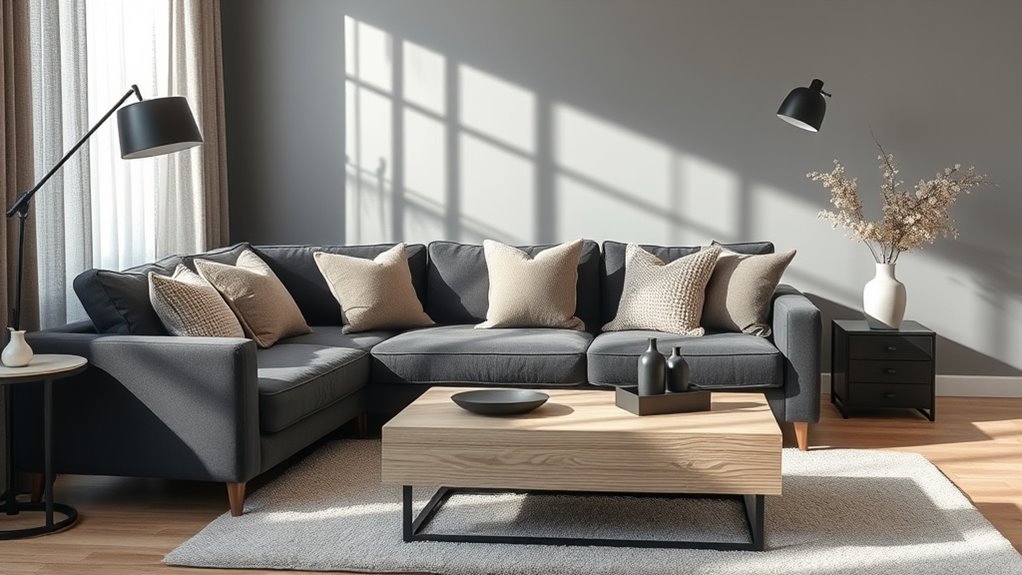
To create a balanced and harmonious look, it is essential to thoughtfully combine gray with other neutral hues like beige, taupe, or white. This neutral palette coordination ensures your space feels cohesive and inviting. Using complementary color schemes, you can add subtle contrast without overwhelming the senses. Pair warm beiges or taupes with cool gray for depth, or opt for crisp whites for brightness. Here’s a simple guide:
| Neutral Hue | Effect |
|---|---|
| Beige | Warmth and softness |
| Taupe | Sophistication and depth |
| White | Brightness and clarity |
Blending these hues creates a versatile, stylish environment that balances neutrality with visual interest. Additionally, employing analytical thinking can help you assess which neutral combination best suits your space’s purpose and ambiance.
Frequently Asked Questions
How Do I Choose the Right Shade of Gray for My Space?
To choose the right gray, start with your desired mood and lighting. Consider shade selection by testing samples in your space, observing how they look at different times of day. Focus on undertone balancing—warm or cool undertones can dramatically change the vibe. You’ll want a gray that complements your furniture and walls, so take your time to compare swatches and select the one that feels perfect for your environment.
Can Gray Work With Both Warm and Cool Color Schemes?
Gray can definitely work with both warm and cool color schemes. Think of it as a versatile chameleon, blending seamlessly into complementary palettes. For example, pairing warm beige and taupe with cooler blues and greens creates layered textures that add depth. You’ll find that gray’s neutrality balances bold accents, making your space feel cohesive yet interesting. It’s a smart choice that adapts beautifully, no matter your color direction.
What Are Some Common Mistakes When Using Gray in Interiors?
You might make mistakes with gray by neglecting color coordination, which can make your space feel mismatched. Also, overlook lighting considerations, as natural or artificial light can change how gray appears. Always test your chosen gray in different lighting to guarantee it complements your color scheme. Avoid choosing shades without considering these factors, or your interior may look dull or off-balance instead of sophisticated and cohesive.
How Can I Add Personality to Gray-Based Decor?
Did you know that rooms with textured accent accessories are 60% more inviting? To add personality to gray-based decor, incorporate bold accent accessories like vibrant art or unique lamps. Use patterned textiles such as throw pillows or rugs to introduce visual interest. Mixing different textures and adding pops of color through accessories creates a lively, personalized space that feels warm and inviting, transforming a neutral gray into a reflection of your style.
Is Gray Suitable for Small or Dark Rooms?
Gray works well in small or dark rooms when you play with lighting effects and furniture choices. Use layered lighting to brighten the space and highlight the gray’s depth. Opt for furniture in lighter shades or with sleek designs to create contrast and prevent the room from feeling cramped. Incorporating reflective surfaces also helps bounce light around, making your small or dark space feel more open and inviting.
Conclusion
Embracing gray in your interiors isn’t just safe—it’s revolutionary. It’s your secret weapon to transform bland spaces into dazzling masterpieces that reflect your soul. With the right shades, textures, and accents, gray becomes an unstoppable force of style and personality. Don’t settle for boring neutrals—dive into the endless possibilities and make your home a bold statement of your unique spirit. Gray isn’t just a color; it’s your gateway to unforgettable, jaw-dropping spaces.