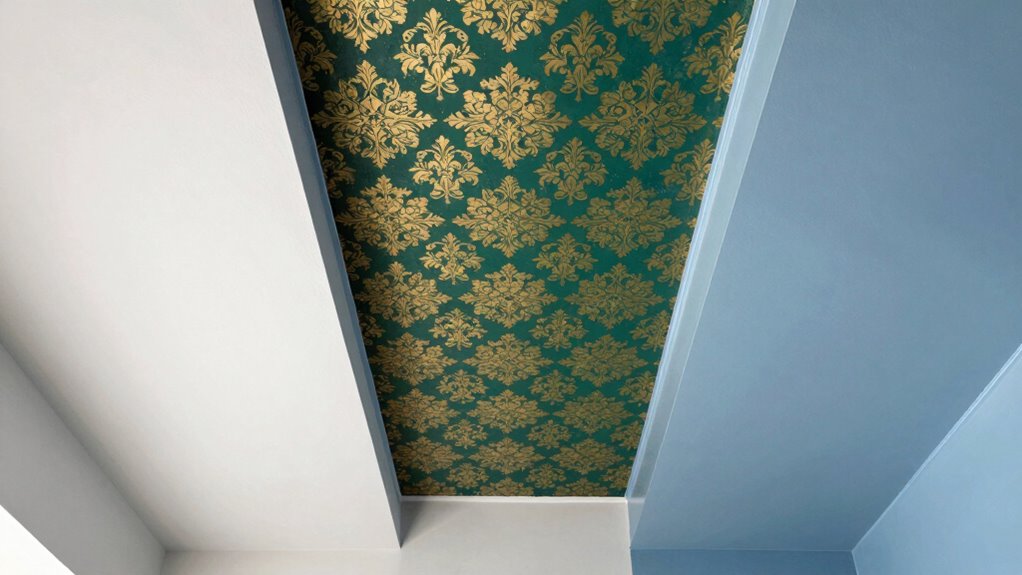
Choosing between paint, wallpaper, or plaster for your ceiling profoundly impacts your room’s mood and style. Paint can brighten or deepen the atmosphere with light or dark shades, while wallpaper adds pattern and texture that create focal points or cozy vibes. Textured plaster offers a warm, earthy feel and hides imperfections, adding depth. Each choice influences light reflection and ambiance, so your options shape your space’s personality—exploring these in detail helps you craft the perfect mood.
Key Takeaways
- Paint offers versatile color options and reflectivity, influencing room brightness and mood, from airy to cozy atmospheres.
- Wallpaper adds texture and pattern, creating visual interest and depth that can alter the room’s personality and ambiance.
- Plaster finishes provide texture and durability, adding warmth and earthy tones that evoke a welcoming and intimate environment.
- The choice of finish (matte, glossy, textured) affects light reflection and acoustics, shaping the overall mood of the space.
- Combining these treatments with lighting and decor enhances the desired atmosphere, whether calm, energetic, or sophisticated.

Ceiling Paint Roller No Drip Kit – 111-Inch Extension Pole Included, 10 Inch Roller with Shield & Adjustable Head | No Drip, Splatter-Free Brush for Ceiling & Wall Painting
Complete Packaging with 9FT Extension Rod Our package comes with 1 ceiling paint roller (with a protective cover)…
As an affiliate, we earn on qualifying purchases.
As an affiliate, we earn on qualifying purchases.
How Do Ceilings Influence the Mood and Style of a Room?
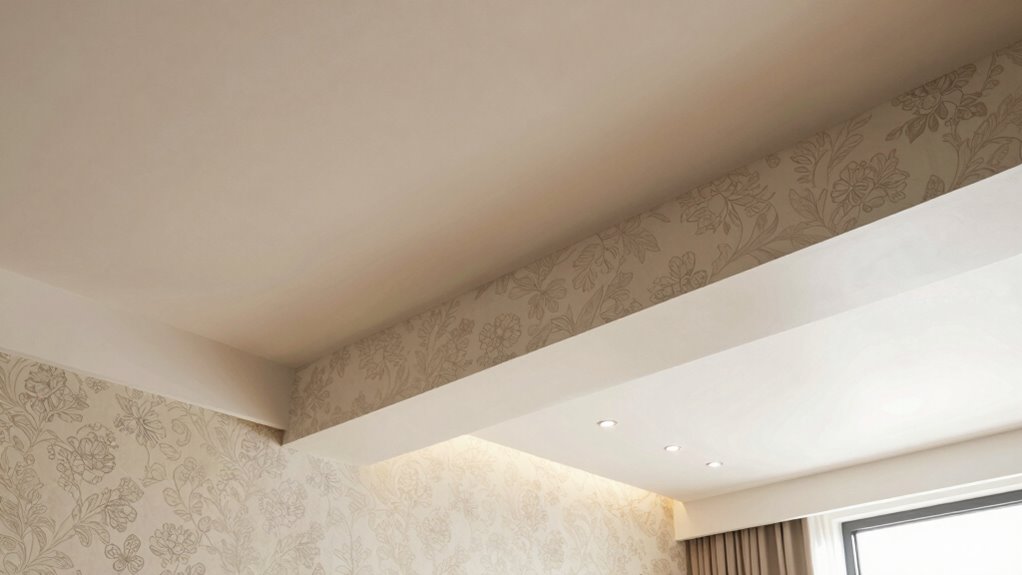
Ceilings play an essential role in shaping the overall mood and style of a room, often overlooked but highly impactful. The ceiling height can make a space feel more open and airy or cozy and intimate, depending on your choice. High ceilings evoke grandeur and sophistication, especially when paired with elegant architectural details like crown molding or decorative beams. Conversely, a lower ceiling creates a snug atmosphere, perfect for a relaxed vibe. The style of the ceiling treatment—paint, wallpaper, or plaster—further influences the room’s character. Smooth plaster ceilings add a sleek, modern look, while textured finishes or patterned wallpaper can introduce visual interest and personality. Additionally, the choice of ceiling material can affect the room’s acoustics and visual appeal, further shaping your overall experience. Every detail you select impacts how you experience and perceive the space, including architectural details that can enhance or soften the room’s ambiance. Considering interior design principles can help you choose the best ceiling treatment to complement your style and mood preferences. For instance, understanding how ceiling materials influence acoustics and aesthetics can guide you toward the ideal choice for your space. Moreover, selecting the right materials can also impact the room’s lighting distribution, creating different atmospheres based on your needs.

CRASPIRE 88 x 2 inch Crown Molding Peel and Stick 3D Flexible Foam Wall Trim White Self Adhesive Wallpaper Border Sticky Decorative Edging Baseboard Lines for Mirror Border Wall Hotel DIY Decor
3D Retro Trim: The skirting trim adopts 3d relief pattern design, and the pattern texture is convex, so…
As an affiliate, we earn on qualifying purchases.
As an affiliate, we earn on qualifying purchases.
What Should You Consider When Choosing a Ceiling Treatment?
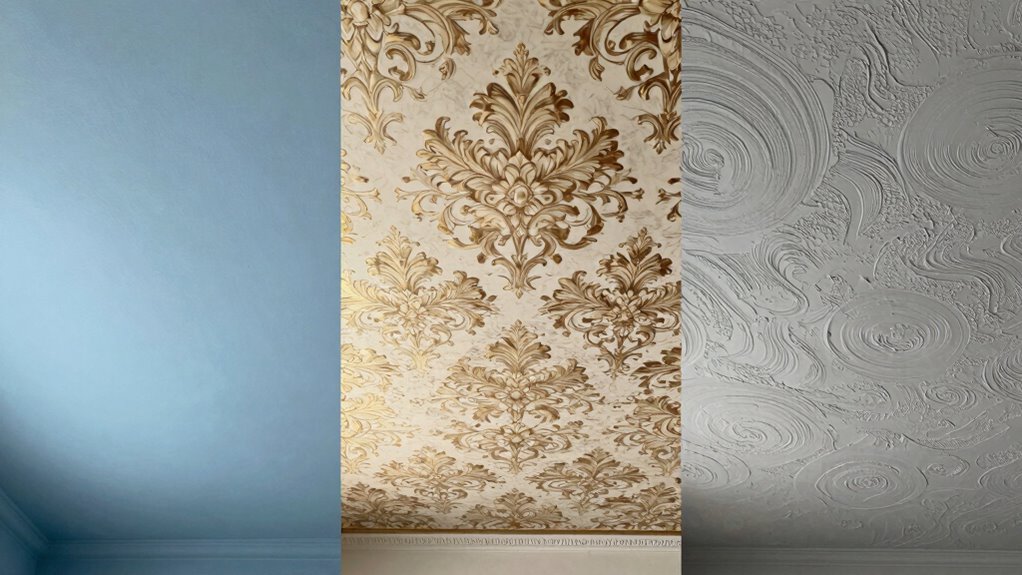
When selecting a ceiling treatment, you’ll want to contemplate how the material and style complement the room’s overall design and your personal preferences. Consider how lighting fixtures will interact with the ceiling—smooth or textured finishes can cast different shadows and affect ambiance. Take into account the ceiling height; a low ceiling might benefit from light colors or reflective surfaces to create a sense of openness, while higher ceilings can handle more elaborate treatments like wallpaper or textured plaster. Think about maintenance and durability too, especially in busy areas. Your choice should enhance the room’s mood without overwhelming the space. For optimal visual impact, contrast ratio and color accuracy play a role in how the ceiling interacts with the lighting and overall decor. Incorporating ecological considerations and sustainable materials can also contribute to a healthier indoor environment, aligning with impact investing principles. Considering indoor environmental quality ensures that your ceiling choices support a healthier living space. Additionally, understanding how different materials influence aesthetic appeal can help you achieve your desired atmosphere. Balancing style, function, and practicality assures your ceiling treatment seamlessly integrates with the rest of your decor.
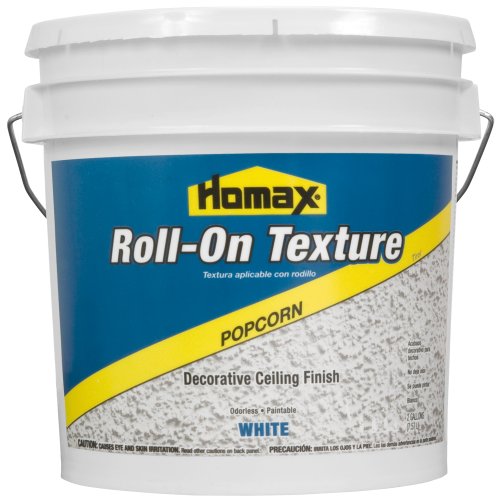
Homax 41072024181 Roll On Ceiling Texture, Popcorn White, 2 gal
Ready to use, roll-on popcorn ceiling texture
As an affiliate, we earn on qualifying purchases.
As an affiliate, we earn on qualifying purchases.
What Are the Pros and Cons of Painting Ceilings for Atmosphere?
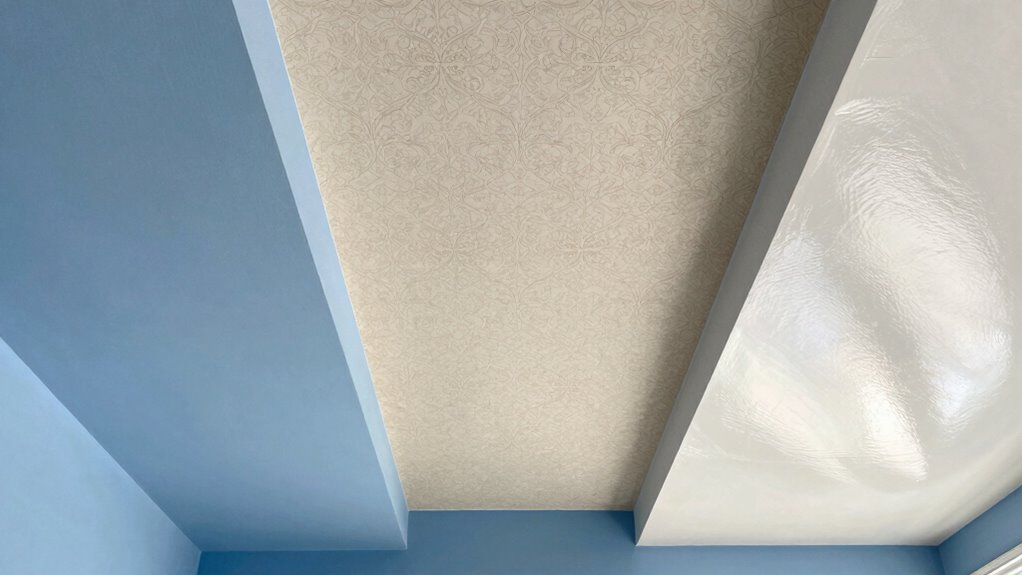
Painting your ceiling can considerably impact your room’s atmosphere by enhancing its visual appeal or adjusting brightness. A light color can make a space feel larger and more open, while a darker shade adds coziness and depth. Consider how these effects align with your mood and style before choosing to paint your ceiling. Additionally, incorporating free floating design elements can create a sense of openness and simplicity that complements painted ceilings. Being aware of lighting design can help maximize these effects and create a harmonious environment. Proper paint selection also plays a crucial role in achieving the desired mood and durability for your ceiling finish. Exploring eco-friendly paint options can further reduce environmental impact while maintaining quality and aesthetic appeal.
Visual Impact Enhancement
If you want to influence the mood of a room, painting the ceiling can be a powerful tool, but it comes with both advantages and drawbacks. A painted ceiling can create a stunning visual impact, making a space feel larger or more intimate depending on the color choice. Light hues can make a room feel airy and open, while darker shades add coziness. Additionally, your choice of paint can affect ceiling acoustics and insulation; matte finishes help absorb sound, reducing echo, while certain paints can improve insulation, enhancing comfort. Proper planning guarantees your painted ceiling enhances the atmosphere without compromising acoustics or insulation. Choosing the right paint finish and considering the room’s purpose can further optimize the mood and functionality.
Room Brightness Adjustment
Adjusting the brightness of a room through ceiling paint offers a straightforward way to influence the overall atmosphere. Lighter ceiling colors reflect more ambient lighting, making the space feel brighter and more open, especially in rooms with lower ceilings. Conversely, darker shades absorb light, creating a cozy, intimate vibe but potentially making a room seem smaller. Your ceiling height also plays a role; high ceilings can handle bolder colors without feeling overwhelming, while lower ceilings benefit from light shades to maximize openness. Painting the ceiling is an easy, cost-effective method to control mood and lighting. However, keep in mind that darker colors may require more lighting to prevent a gloomy atmosphere, and overly bright ceilings can cause glare, affecting comfort. By understanding aesthetic impact, you can better choose ceiling colors that elevate your space’s ambiance.

Zinsser Ceiling Acrylic Paint & Primer in One, 13 oz, Flat White
Ceiling spray paint blocks stains and primes interior surfaces for quick touch ups
As an affiliate, we earn on qualifying purchases.
As an affiliate, we earn on qualifying purchases.
How Can Wallpaper Transform Your Ceiling’s Look?
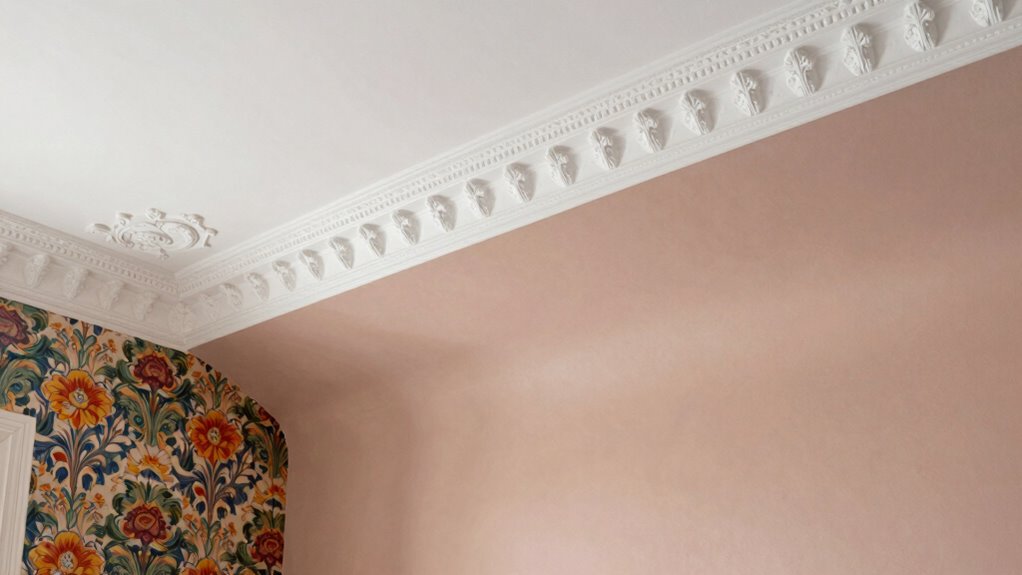
Ever wondered how wallpaper can dramatically change your ceiling’s appearance? Wallpaper adds visual interest, depth, and personality, making your room feel more inviting. It can also influence ceiling acoustics by absorbing sound, reducing echo. When choosing wallpaper, consider structural considerations—some materials may add weight or require reinforcement. A bold pattern can make your ceiling a focal point, while subtle designs create a cozy atmosphere. Here’s a quick overview:
| Aspect | Impact |
|---|---|
| Ceiling Acoustics | Adds sound absorption, improving room comfort |
| Structural Considerations | Needs proper support to avoid sagging or damage |
Additionally, understanding material properties can help you select the best wallpaper for your ceiling’s durability and safety. Wallpaper’s versatility allows you to customize your space effortlessly, transforming a plain ceiling into a statement feature.
Is Textured Plaster the Right Choice for Your Style?
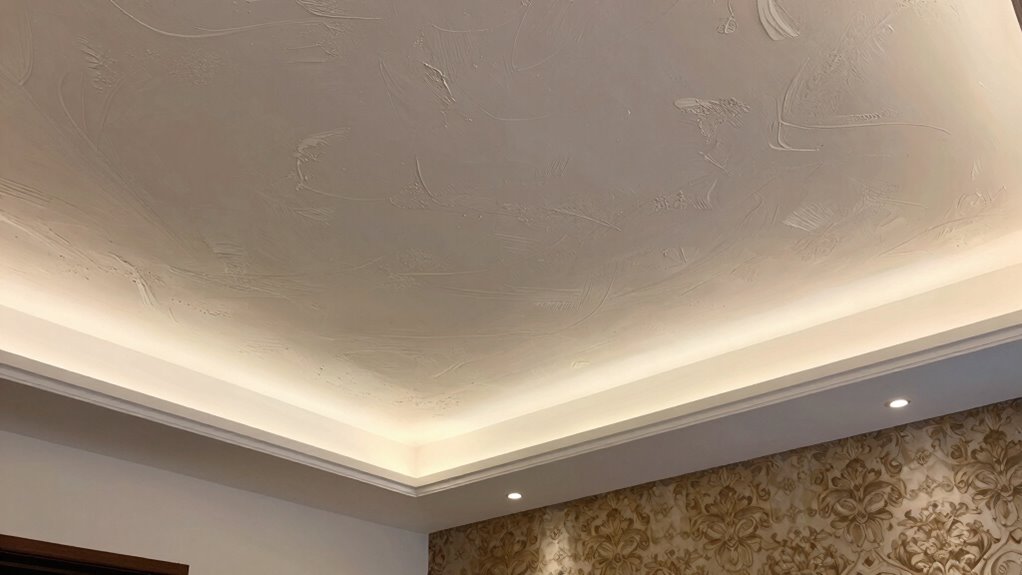
Textured plaster offers a sophisticated alternative to wallpaper when you want to add depth and character to your ceiling. It provides a variety of texture options, from subtle finishes to bold patterns, allowing you to customize the look to match your style. Plus, textured plaster is known for its material durability, standing up well over time without peeling or fading. If you prefer a ceiling that enhances a classic or rustic aesthetic, this finish can create a warm, inviting atmosphere. It also helps hide minor imperfections, making it practical for various spaces. Whether you’re aiming for a refined elegance or a more earthy vibe, textured plaster can be a durable, stylish choice that elevates your room’s overall mood and appeal. Incorporating texture options and material verification ensures you select high-quality products that maintain their appearance and performance over time, especially considering the impact on ambiance.
Which Ceiling Finishes Help Create Calm or Energy?
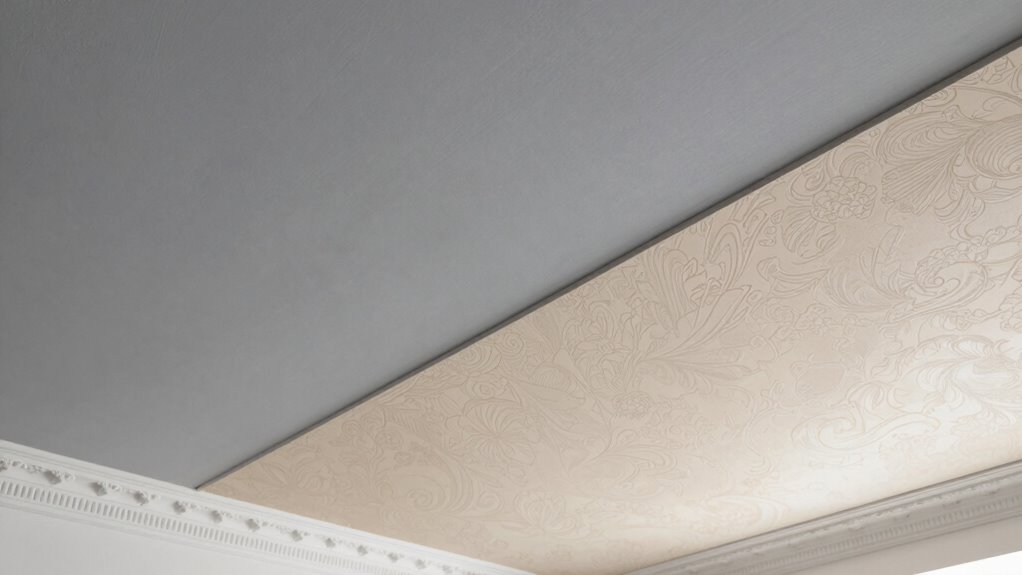
The finish you choose for your ceiling can considerably influence the room’s mood by affecting light reflectivity and color perception. Lighter shades with higher reflectivity bounce more light, creating a calming, open feel, while darker or matte finishes add energy or coziness. Understanding how color and finish work together helps you craft the atmosphere you want in your space. Additionally, considering natural light can enhance the overall effect, making your chosen ceiling finish even more impactful in shaping the room’s ambiance. Recognizing how light reflectivity interacts with different finishes allows you to optimize the environment for relaxation or activity. Moreover, choosing appropriate ceiling materials can also influence sound absorption and overall acoustics, contributing to the desired mood. Selecting suitable finishing techniques can further refine the visual and tactile qualities of your ceiling, helping to achieve the perfect atmosphere.
Light Reflectivity Impact
Choosing a ceiling finish with the right light reflectivity can dramatically influence the mood of a room. High-reflectivity surfaces, like glossy paint or certain wallpapers, bounce ambient lighting around, creating a brighter, more energetic space. This is perfect if you want to foster a lively atmosphere or make a small room feel larger. Conversely, matte finishes absorb light, reducing glare and fostering calmness and coziness. Reflective surfaces amplify ambient lighting, making the room feel open and vibrant, while less reflective finishes help contain light, promoting relaxation. Your choice impacts how light interacts with the space, shaping the overall feel. Consider your lighting setup and desired mood when selecting your ceiling finish to guarantee it complements your ambiance goals.
Color Choices Influence
Color choices play a crucial role in determining whether your ceiling promotes calmness or energy in a room. Light, color, and material influence the mood you want to create. Lighter shades like soft whites or pastels reflect more lighting effects, making spaces feel airy and serene. Bold colors such as deep blues or vibrant reds energize the room but can reduce a ceiling’s material durability if applied as wallpaper or textured plaster. Consider the finish’s longevity and how it responds to lighting changes. To help visualize, here’s a quick guide:
| Calm Atmosphere | Neutral & Soft Colors | Energy-Boosting Shades |
|---|---|---|
| Light reflectivity | Light pastels, whites | Bright reds, oranges |
| Material durability | Painted ceilings | Wallpaper, textured plaster |
| Lighting effects | Enhances calm | Creates vibrancy |
Choosing the right color ultimately shapes your space’s mood.
How Do Colors and Textures Change Your Room’s Perception?
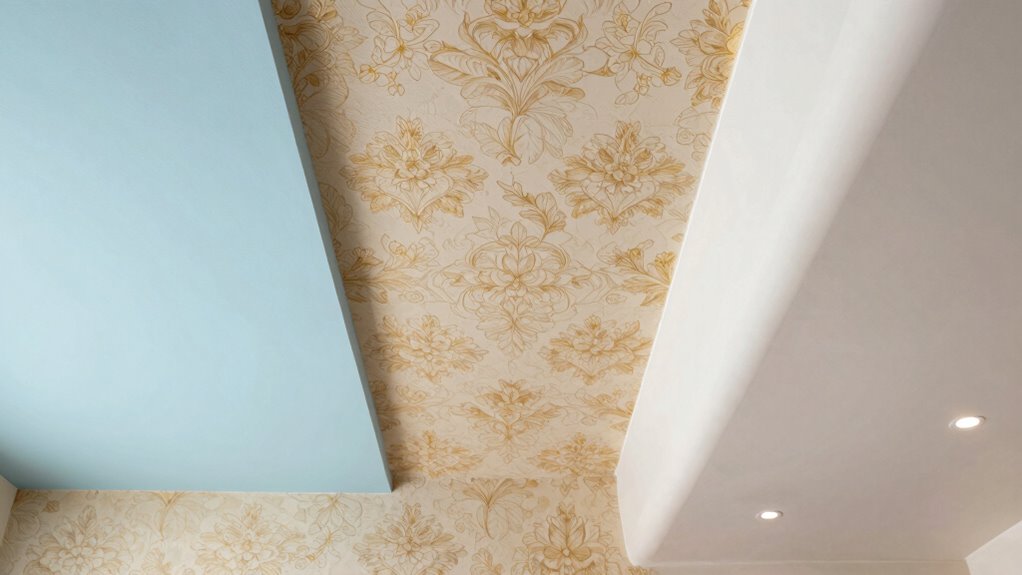
Colors and textures have a powerful impact on how your room feels and functions. Bright, light colors can make a space seem taller and more open, emphasizing ceiling height and creating a sense of airiness. Darker shades tend to recede, making the ceiling feel lower and the room cozier. Textures also influence perception; smooth finishes reflect light and can make a space feel larger, while textured surfaces absorb sound, improving acoustic properties. Wallpaper with bold patterns can add depth and interest, changing how you perceive the room’s size. Conversely, matte paint or plaster creates a softer, more subdued atmosphere. By choosing colors and textures thoughtfully, you can manipulate your room’s perceived size, mood, and comfort, tailoring the environment to your desired experience.
How to Combine Ceiling Techniques for a Cohesive, Mood-Enhancing Space
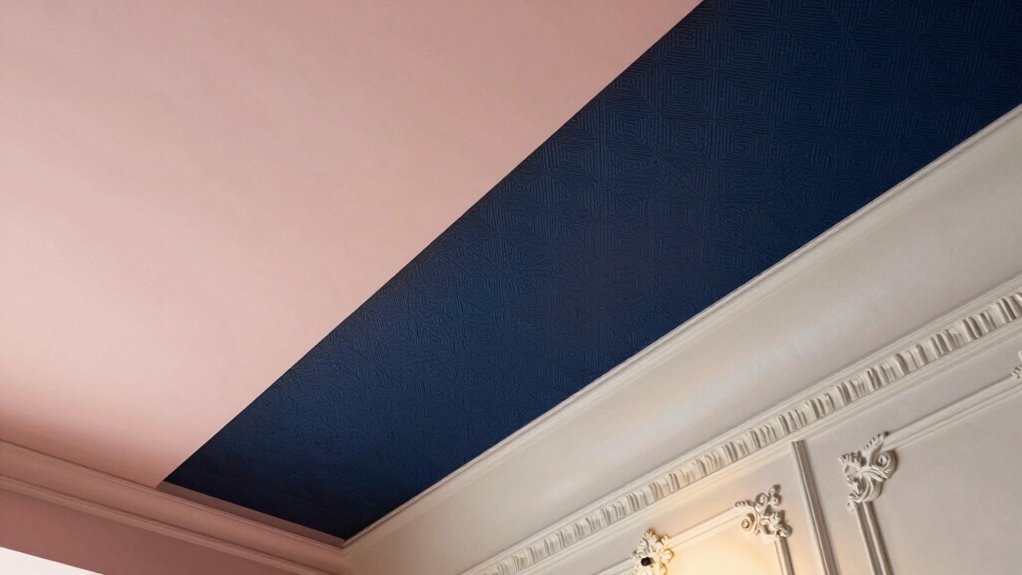
Combining different ceiling techniques allows you to create a harmonious and immersive environment that enhances your room’s mood. Start by balancing lighting accents with your chosen ceiling finishes to highlight architectural details and add depth. For example, paint can serve as a neutral backdrop, while wallpaper introduces texture and pattern, complemented by strategic lighting to emphasize these features. Consider layering plaster with painted accents or textured wallpaper to create visual interest without overwhelming the space. Use lighting to draw attention to specific architectural elements, like coffers or moldings, ensuring each technique works together seamlessly. By thoughtfully blending these approaches, you craft a cohesive ceiling that elevates your room’s ambiance, making it feel both stylish and inviting.
Frequently Asked Questions
How Do Ceiling Choices Impact Room Acoustics and Sound Quality?
Your ceiling choices directly impact sound absorption and echo control in a room. A textured or acoustic ceiling can reduce echo and improve sound quality, making conversations clearer and music richer. Smooth, hard surfaces reflect sound, increasing echo and noise levels. By selecting materials that absorb sound, like acoustic tiles or textured finishes, you create a more comfortable, balanced environment with better acoustics for conversation and relaxation.
What Maintenance Is Required for Different Ceiling Finishes Over Time?
Your ceiling’s like a silent guardian—requiring regular cleaning to keep dust and cobwebs at bay. For painted ceilings, gentle wiping preserves moisture resistance, preventing stains. Wallpapered ceilings need delicate cleaning to avoid peeling, while plaster surfaces may develop cracks or stains over time, needing touch-ups. Keep an eye on moisture levels, especially in humid spaces, to maintain their beauty and durability, ensuring your ceiling remains a stunning, long-lasting feature.
Can Ceiling Treatments Improve Energy Efficiency in a Room?
Yes, ceiling treatments can improve energy efficiency in your room. For instance, adding insulation benefits with certain finishes like textured plaster or specialized paint can help retain heat, leading to energy savings. Enhanced insulation reduces your heating and cooling costs by minimizing heat transfer through the ceiling. Upgrading your ceiling with these treatments creates a more comfortable environment and cuts down on energy consumption, making your space more eco-friendly and cost-effective.
Are There Eco-Friendly Options for Ceiling Paints, Wallpapers, or Plasters?
You’ll be glad to know eco-friendly options exist for ceilings. About 70% of paints now feature sustainable paints, reducing harmful VOCs and environmental impact. For wallpapers, eco wallpaper made from recycled or natural fibers offers a stylish yet green alternative. Similarly, sustainable plasters contain fewer chemicals and use natural ingredients. Choosing these options helps you create a healthier home environment while supporting eco-conscious manufacturing.
How Do Ceiling Styles Influence the Perceived Size of a Room?
Your choice of ceiling style substantially impacts the perceived size of a room. Taller ceilings create height illusions, making the space feel more open and airy. Conversely, lower or textured ceilings can limit visual expansion, making a room feel cozier or more enclosed. Bright, light-colored ceilings enhance the sense of space, while darker or intricate designs may reduce perceived height. Adjusting these styles helps you control the room’s overall atmosphere and size perception.
Conclusion
Think of your ceiling as the sky above your room—changing its treatment is like adjusting the weather. A calm, painted sky can bring serenity, while a vibrant wallpaper storm energizes the space. By choosing the right finish, you craft a mood that guides your whole atmosphere. Remember, you’re the weather painter—your choices shape the environment, making your room a reflection of your desired sky.