
TL;DR

Get furniture and decor delivered free with Prime
- Fast, free delivery on millions of items
- Prime Video, Amazon Music and more included
- Member-only deals all year
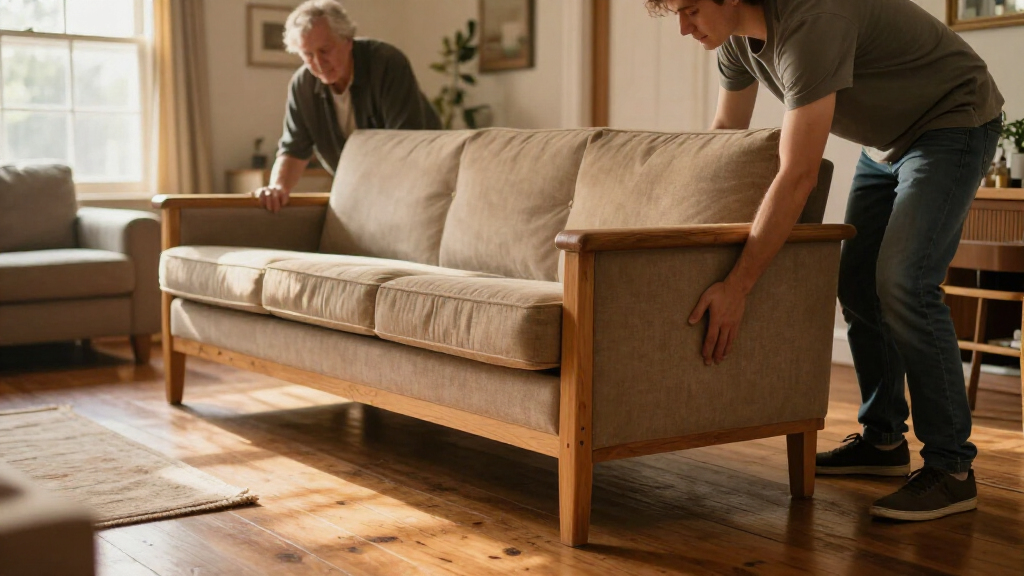
A Family Handyman report featuring a strength coach and a physical therapist says there is no fixed age at which people should stop moving furniture. Their guidance focuses instead on whether a person can lift and carry an item with control, and recommends getting help or hiring movers when the task feels unsafe.
A Family Handyman report featuring a strength coach and a physical therapist says there is no specific age when people should stop moving furniture. Instead, the experts advise judging the task by a person’s strength and control, and asking for help or calling professional movers if lifting or carrying seems unsafe.
The report identifies lower-back and shoulder injuries as key risks when moving heavy items. Strength coach Zac Armstrong says injuries can happen during a carry, particularly when someone twists to keep a piece from falling. Possible injuries include muscle strains, sprains, back problems and shoulder injuries. The report also notes that falls can lead to fractures, particularly for people affected by changes in balance, muscle mass or bone density.
Furniture moving can also place physical strain on the heart, raising heart rate and blood pressure. The report warns that strenuous work may pose serious risks for older adults with cardiovascular disease, though it does not set out individualized medical guidance. People concerned about their health or ability should avoid pushing through discomfort and seek appropriate help.
For those who decide to move an item, physical therapist Joshua Holskey recommends getting help rather than trying to lift more than one’s body can manage. The article also advises clearing obstacles, planning for stairs and corners, using dollies or furniture slides, and avoiding twisting while carrying. Armstrong suggests lifting in stages; Holskey advises bending through the ankles, knees and hips and keeping the load close to the body.
A Safer Test Than Age Alone
The advice shifts the decision from a birthday-based rule to the demands of the specific lift. A small, manageable item on a clear, level path is different from a heavy cabinet that must be carried around a tight corner or down stairs. The report’s central point is that ability and control vary between people, so age alone cannot determine whether a move is safe.
That distinction matters because furniture work combines lifting, carrying, balance and route planning. A person may be able to lift an item briefly but not carry it steadily or manage a change in direction. Seeking help can reduce the chance that a strained lift becomes a fall or other injury. The report notes that in-home furniture-moving services are available from some moving companies, giving readers an alternative when a task feels beyond their capacity.
As an affiliate, we earn on qualifying purchases.
The Report’s Strength-and-Control Test
The advice comes from a Family Handyman article about the risks of moving heavy furniture with age and ways to make the work safer. Its two experts are Zac Armstrong, a retired U.S. Marines naval commander and strength coach who founded Executive Health Edge in Coronado, California, and Joshua Holskey, a doctor of physical therapy at ATI Physical Therapy.
Armstrong says there is no age at which everyone must stop moving furniture. He frames the decision as a strength-and-control test: if someone cannot lift an item smoothly and carry it with full control, it is too heavy for that person at that time. The article gives no age cutoff, weight limit or universal assessment, and its guidance is general rather than a personal medical evaluation.
“There is no age to stop, but there is a strength-and-control test.”
— Zac Armstrong, strength coach, as quoted in Family Handyman
No Universal Safety Cutoff
The report does not define a safe maximum weight, an age threshold or a standardized test for deciding whether a person should move a particular piece. It also does not assess individual medical histories, strength, balance or the layout of a home. Those factors can change the risk from one person and task to another.
The source offers general safety advice, not a diagnosis or personalized medical recommendation. It does not specify which cardiovascular conditions make furniture moving unsafe or provide clinical criteria for deciding when exertion is excessive. Readers with health concerns will need guidance suited to their circumstances; when unsure about handling an item, the experts advise asking for help or hiring professionals.
Assess the Item Before Lifting
Before moving furniture, the report advises checking the item, the route and the available help. Clear trip hazards, discuss how to manage corners and changes in height, and use suitable equipment such as a dolly or furniture slides. If the item cannot be lifted and carried smoothly and under control, do not attempt the move alone; ask someone to assist or contact a moving company that offers in-home service.
The supplied report does not announce a policy change, new research finding or scheduled follow-up. Its practical next step for readers is a task-by-task decision: if the lift feels uncertain, choose assistance over risking an injury.
Key Questions
Is there a specific age when people should stop moving furniture?
No. The Family Handyman report quotes strength coach Zac Armstrong saying there is no single age cutoff. He recommends judging whether a person can lift and carry the item with control.
How can someone tell whether a piece is too heavy to move?
Armstrong’s test is whether the person can pick it up smoothly and carry it under full control. If not, the report says the item is too heavy for that person at that time; get help or hire movers.
What are the main risks of moving heavy furniture?
The report identifies back and shoulder injuries, muscle strains, falls and fractures. It also warns that strenuous exertion can raise heart rate and blood pressure, which may be dangerous for older adults with cardiovascular disease.
What steps can make a furniture move safer?
Get a helper, clear obstacles, plan the route and use equipment such as a dolly or furniture slides. The experts also advise avoiding twisting while carrying and lifting in stages where possible.
When should someone call professional movers?
The report advises asking for help or calling a professional when a person is uncertain they can move the item safely. Some moving companies offer in-home furniture-moving services.
Source: rss
Halloween Picks
halloween
As an affiliate, we earn on qualifying purchases.