TL;DR
Ideal Home contributor Hannah Carvell used discounted, handmade Moroccan tiles to finish the interior of her living-room fireplace after her preferred tile options, including delivery, were estimated at about £500 or more. Her account also details unexpected work: removing a metal sheet, temporarily taking out the log burner and buying more tiles than her initial estimate allowed.
Screen printer and Ideal Home contributor Hannah Carvell has described using discounted handmade Moroccan tiles in a living-room fireplace makeover after her preferred tile choices, with delivery, came to around £500 or more. Her account shows how sourcing leftover stock helped contain the tile cost, while removal and refitting work and a shortfall in the amount purchased added complexity.

Get furniture and decor delivered free with Prime
- Fast, free delivery on millions of items
- Prime Video, Amazon Music and more included
- Member-only deals all year
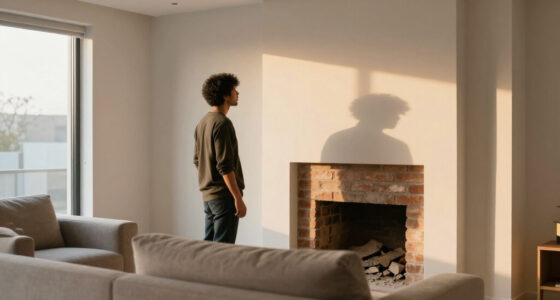
Carvell had already decided to paint the large, relatively new brick fireplace surround Dulux Heritage Sage Green, matching the green walls, ceiling, skirting boards and doors in her living room. She said she would not have painted the bricks if they had been old and original. Before applying the emulsion, she sealed the brickwork with an undercoat.
The next part of the project was the fireplace opening, where a log burner stood in front of a large black metal sheet. Carvell initially considered premium tiles from brands including Maitland & Poate, Otto Tiles and Fired Earth, and ordered samples. She was especially drawn to Otto Tiles’ Amber Arch design, which she had used in her previous home.
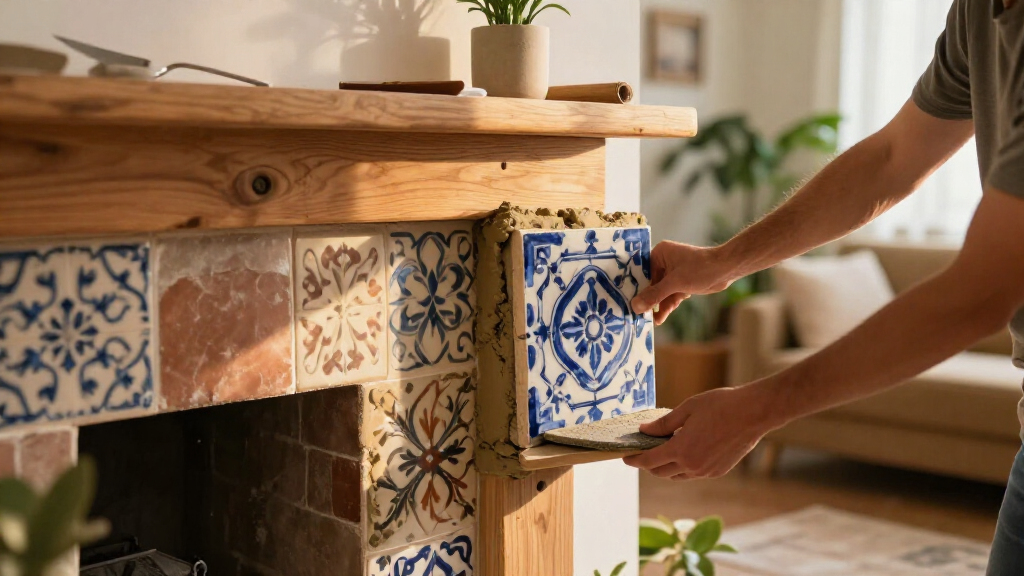
Her first measurement suggested she would need about 1.5 square metres. She wrote that even this quantity of the tiles she had been considering, plus delivery, would cost around £500 or more. Through Facebook Marketplace she found the Bristol-based Moroccan Encaustic Tile Company, which imports tiles from Marrakech. Collecting the tiles herself avoided an £80 delivery charge. Rather than commission a new design and wait, she bought discounted leftover stock: mint-green glazed tiles available at the time.
A fireplace makeover on a budget with handmade Moroccan tiles
Hannah Carvell chose discounted leftover tiles after her preferred options looked costly. Her account shows how extra materials and burner work complicated the project.
A lower-cost tile choice
Carvell found a Bristol seller importing tiles from Marrakech.
Discounted leftover stock
She chose available mint-green glazed tiles rather than paying more and waiting for a new design.
Handmade character
She preferred the rustic, sometimes uneven look of handmade tiles.
Plan for the full quantity
The first measurement did not cover the layout she needed.
- About 1.5 square metres
- Based on an early measurement
- At least that amount again was needed
- Final quantity and tile bill were not reported
Extra work around the burner
The visible tile area brought removal, refitting and clearance issues.
A friend helped remove it with an angle grinder after a crowbar did not work.
A local fitter quoted to remove the log burner temporarily and return to refit it.
After the fitter raised a concern about tile thickness, Carvell and her husband laid another course of bricks.
The Costs Behind a Fireplace Tile Makeover
Carvell’s account makes clear that the price of the tiles was only one part of the project. The initial estimate of 1.5 square metres proved insufficient; when the couple laid the tiles out to check the pattern and measurements, they realised they needed at least that amount again. The source does not give the final tile cost, so it is not possible to compare the completed project’s total with the original £500-or-more estimate.
The work also involved coordinating with a log burner fitter. Carvell said a local fitter quoted £60 to remove the burner temporarily and return to refit it after the tiling. Removing the metal sheet required help from a friend and an angle grinder after it would not move with a crowbar. The episode offers a practical reminder for readers that a small visible surface can involve extra materials, labour and specialist work.
Products Worth Considering

Google Nest Learning Thermostat (4th Gen) with Nest Temperature Sensor (2nd Gen), Obsidian

Sonos Era 100 Wireless Smart Speakers, 2-Pack, Black

TCL 55-Inch F7D Series QLED 4K UHD Smart Fire TV (2026)
As an affiliate, we earn on qualifying purchases.
From Green Paint to Handmade Tiles
Carvell framed the fireplace as an extension of a broader living-room makeover. In earlier pieces for Ideal Home, she had described painting the room and then arranging to have the wooden floors sanded. Once she chose to colour-drench the room in green, she decided the fireplace surround should match. The tile project followed that painting work rather than starting as a stand-alone renovation.
Her preference was for handmade tiles with a rustic appearance, which she described as sometimes chipped, uneven and imperfect. The source says the Moroccan Encaustic Tile Company imports from Marrakech and that its owner offered discounted leftover tiles from earlier projects. He also told Carvell he could arrange tiles in requested colours during a planned buying trip, but that option would cost more and require waiting. She chose the available stock instead.
Final Cost and Installation Outcome
The source account ends while Carvell is describing the tile shortfall. It does not say how many additional tiles she bought, what the final tile bill or total project cost was, or whether the finished installation stayed within her budget. It also does not provide measurements of the fireplace opening or details about the tile adhesive, grout or other materials.
The account says the burner fitter identified a clearance issue because the tiles were thick and that Carvell and her husband laid another course of bricks. It does not state whether the fitter subsequently refitted the burner or confirm the final clearance. The source therefore documents the planning and installation complications, but does not provide enough information to assess the completed work or its compliance with applicable requirements.
More Details Needed on the Finish
Carvell’s account would need a continuation to establish how she obtained enough matching tiles, how the tiling was completed and what the final cost came to. The source gives no publication schedule for further details. For readers planning similar work around a log burner, the account records that Carvell sought advice from a local fitter about removing and reinstalling the appliance; it does not provide general installation instructions or establish that the same approach suits other fireplaces.
Key Questions
Why did Carvell choose Moroccan tiles?
She preferred the handmade, rustic appearance of Moroccan tiles to the cheaper high-street options she had considered. She selected mint-green glazed tiles from discounted leftover stock.
How much did the tiles cost?
The source does not give the final price. Carvell said her preferred tiles, based on an initial estimate of 1.5 square metres and including delivery, came to around £500 or more. Collecting the tiles from the Bristol-based seller avoided an £80 delivery charge, and the leftover stock was discounted.
How many tiles did the fireplace need?
Carvell initially estimated 1.5 square metres, but laying the tiles out showed that she needed at least that amount again. The account does not specify the final quantity.
What extra work did the project involve?
Carvell arranged for a fitter to temporarily remove and later refit the log burner, for a quoted £60. She and a friend also removed the metal sheet behind it, and she and her husband laid another course of bricks after the tile thickness raised a clearance concern.
Source: idealhome.co.uk