TL;DR

Get furniture and decor delivered free with Prime
- Fast, free delivery on millions of items
- Prime Video, Amazon Music and more included
- Member-only deals all year
A House Beautiful report recommends four changes to houseplant care as autumn and winter bring less daylight, cooler conditions and drier indoor air. B&Q horticulture expert Mark Sage advises moving plants toward brighter windows while avoiding drafts, reducing watering and feeding, grouping plants, and wiping dust from leaves.
House Beautiful has published four winter care habits for houseplants, citing advice from Mark Sage, B&Q’s horticulture expert, as shorter days, cooler temperatures and indoor heating change growing conditions. The guidance calls for adjusting light and watering, grouping plants to support humidity, and cleaning leaves so they can make better use of available daylight.
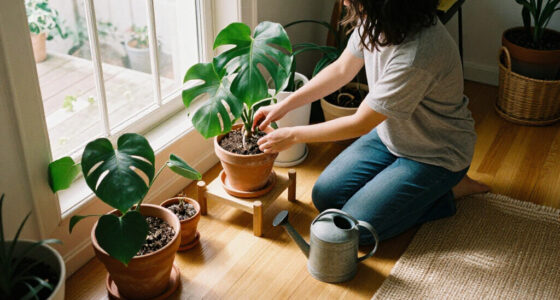
Sage recommends moving plants closer to a bright window as natural light declines, but warns against placing them near cold drafts or radiators. The report says those conditions can contribute to yellowing leaves, root problems or plant death. For rooms with limited natural light, Sage suggests considering a plant light; he also recommends rotating larger plants to reduce uneven, stretched growth as they reach toward the sun.
The second habit is to water and feed less as many plants slow their growth. Sage says soil should be allowed to dry between waterings to help prevent root rot, and that winter is generally not the time for regular repotting. He recommends giving plants a final dose of feed at the end of autumn, rather than continuing a summer feeding schedule through winter.
For humidity, the report advises grouping plants together, which can create a more humid microclimate around them. Sage says this may help when central heating dries indoor air. The fourth habit is wiping leaves with a microfibre cloth every one to two weeks to remove dust. The report also says plants can occasionally be rinsed with lukewarm water, with care taken to avoid water that is cold enough to shock roots or hot enough to scald leaves.
Four Adjustments for Winter Conditions
The advice matters because summer care routines may not suit winter conditions. With less daylight and slower growth, continuing to water or feed as often as in warmer months can create problems rather than encourage new growth. The source specifically links overly frequent watering with the risk of root rot, while dry air from heating may stress plants that prefer more humidity.
The recommendations are practical adjustments rather than a guarantee that every plant will respond the same way. Houseplants differ in their light and water needs, so owners may need to pay attention to soil dryness, plant placement and visible growth rather than follow a fixed schedule. The report’s central point is to respond to changing indoor conditions instead of increasing care automatically when plants look less vigorous.
Products Worth Considering

Philips Hue Festavia 65-Foot Smart LED String Lights, 250 Color-Changing Mini LEDs

LG 75-Inch QNED73B Mini LED 4K Smart TV (2026)

Philips Hue Bridge Pro Smart Lighting Hub
As an affiliate, we earn on qualifying purchases.
Why Indoor Conditions Change
During autumn and winter, daylight decreases and homes may become cooler near windows while heating systems make indoor air drier. Those shifts can affect houseplants even when they remain indoors. The report says the routine that worked in summer may do more harm than good during colder months, particularly if it leads to excess watering or plants being positioned close to a heat source or draft.
The recommendations come from Mark Sage of B&Q, as quoted by House Beautiful. The supplied report gives general advice for houseplants and does not provide a plant-by-plant schedule or specific measurements for light, humidity or watering. Its four habits are intended as broad seasonal adjustments, with individual needs still relevant.
“It’s always a good idea to move them closer to a bright window as darker days hit, but make sure to avoid cold drafts and radiators.”
— Mark Sage, B&Q horticulture expert, quoted by House Beautiful
Plant Needs Still Vary
The report does not specify exact watering intervals, light levels or humidity targets, and it does not offer separate instructions for different plant species. Sage’s recommendations are presented as general guidance, not a claim that all houseplants need identical care. It is also unclear from the supplied material how much each habit changes plant health or how the advice applies to particular homes and climates.
The report warns that water temperature matters when rinsing plants but gives no precise temperature range beyond recommending lukewarm water. Readers should also judge watering by the soil and their plant’s needs; the source does not recommend watering on a set calendar schedule.
Adjust Care as Winter Progresses
The next step for plant owners is to check their plants’ locations and routines as daylight and indoor temperatures change: move them toward suitable light, keep them clear of drafts and radiators, and let soil dry between waterings. Grouping plants and cleaning dusty leaves are additional habits to apply through the colder months.
As spring approaches and growth changes, owners may need to reassess watering, feeding and placement rather than assume winter settings remain appropriate. The supplied report does not announce a follow-up study or a specific next update; its guidance is a seasonal care checklist, with plant-specific needs left to the owner’s observation.
Key Questions
What are the four winter houseplant habits?
Move plants toward brighter light while avoiding drafts and radiators, water and feed less as growth slows, group plants to support humidity, and wipe dust from leaves every one to two weeks.
Should I water houseplants more often when they look unhealthy in winter?
Not necessarily. Sage advises allowing the soil to dry between waterings during the slower growth period, because excess water can contribute to root rot. The report does not give a universal watering schedule for all plants.
Where should I put plants during winter?
Sage recommends moving plants closer to a bright window when days are darker, while keeping them away from cold drafts and radiators. A plant light may be an option where natural light is limited.
Why group houseplants together?
Grouping can create a more humid microclimate around plants, which may help when indoor heating dries the air. The report does not specify a target humidity or say that grouping is necessary for every species.
How often should I clean houseplant leaves?
Sage recommends wiping leaves with a microfibre cloth every one to two weeks to remove dust. Plants can also be rinsed occasionally with lukewarm water, taking care not to use water that is too cold or too warm.
Source: housebeautiful.com