
TL;DR
Ideal Home contributor Ammarah Hasham has shared four ways she would make a cold-feeling rental more welcoming: change harsh lightbulbs, add soft layers, hang curtains and wait for furniture that feels right. The advice comes from her experience decorating rented homes; the source does not provide costs, measured results or a formal rental-property guide.
Home decorator Ammarah Hasham, a new Open House contributor for Ideal Home, has outlined four changes she would make first to soften a cold-feeling rental: warm lightbulbs, layered fabrics, curtains and more patient furniture choices. Her recommendations draw on decorating rented homes and aim to make a space feel personal without committing to major work or spending heavily.

Get furniture and decor delivered free with Prime
- Fast, free delivery on millions of items
- Prime Video, Amazon Music and more included
- Member-only deals all year
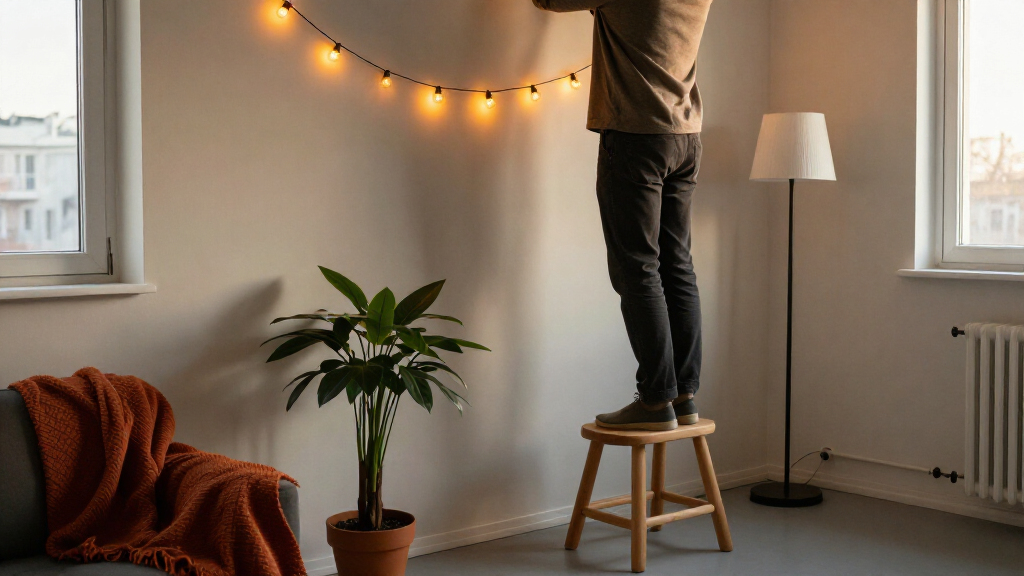
Hasham says she would begin with lightbulbs, after finding that the basic lighting in her rented homes could make rooms feel harsh and flat. She describes replacing bulbs in her living room and bedroom as a simple change that made those spaces feel calmer and warmer. The kitchen bulbs stayed as they were at first, she writes, making the difference between the rooms especially noticeable. Her account is personal experience, not a measured comparison of lighting products or a claim that every rental has the same issue.
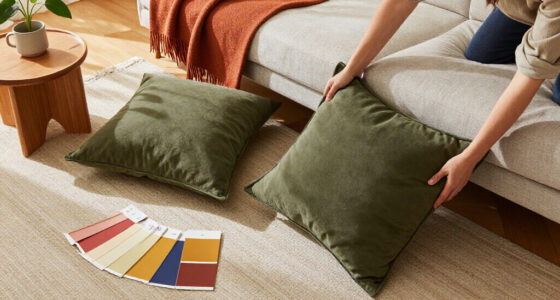
Her next suggestion is to add soft furnishings such as cushions, throws and rugs. Hasham says fabric can soften furniture and hard edges, bring in colour and texture, and make existing pieces feel more inviting. She recalls working around a shiny black sofa supplied with one rental, using throws and cushions rather than replacing it. She also suggests making or adapting items, such as knitting a throw, sewing a cushion or using fabric as a tablecloth.
Hasham also recommends curtains, including lightweight options that frame a window without blocking all the natural light. She says a rental with existing curtain poles or fittings offers a straightforward way to hang them. Where drilling is unsuitable or not permitted, she suggests considering a correctly sized tension rod. Finally, she advises resisting the urge to buy furniture just to fill empty corners, saying rushed purchases can leave a room feeling less personal rather than more complete.
Make a cold rental feel more like home
Ammarah Hasham shares four low-commitment ways to make rented rooms feel warmer and more personal.
Start with the atmosphere
Notice what makes the room feel cold before buying anything new.
Hasham says warmer-feeling lighting made her living room and bedroom feel calmer.
Use cushions, throws or rugs to soften hard edges and refresh existing furniture.
Lightweight curtains can add softness while letting natural light in.
Avoid buying pieces just to fill empty corners; choose items that feel right for you.
Work with what the rental allows
Small changes can make a space feel personal without major work.
- Use fabrics to soften landlord-owned furniture.
- Use existing curtain poles or fittings where available.
- Consider a correctly sized tension rod if drilling is unsuitable.
- Review tenancy terms before changing fittings.
- Ask the landlord or property manager if permissions are unclear.
- Choose changes that suit your room and budget.
Keep the process gradual
Hasham’s ideas come from decorating her own rented homes, not from measured comparisons or guaranteed results.
Begin with the room
Notice how the lighting feels, then decide whether a bulb change makes sense.
Refresh what you have
Cushions and throws helped her make a supplied black sofa feel more inviting.
Buy with intention
Taking time can help avoid spending on pieces chosen only to fill a gap.
Small Changes, Less Commitment
The suggestions address a common constraint of renting: residents may want a home to feel comfortable while avoiding permanent alterations, large expenses or purchases they will not want to move later. Lighting and removable fabrics can change how a room feels without repainting or replacing landlord-owned furniture, while curtains may be possible without drilling if suitable fittings are available.
The furniture advice also points to a practical cost risk. Filling every empty space quickly can lead to purchases that do not suit the resident or the property. Hasham’s account encourages renters to treat decorating as a gradual process rather than a checklist to finish at once. The article does not establish that these steps work for every home, or provide price comparisons; readers will need to judge what suits their rooms, budgets and tenancy terms.
Products Worth Considering

Samsung 65-Inch S90H OLED 4K Smart TV Bundle with HW-B630F Soundbar, Subwoofer, and Screen Cleaner (2026)

Ring Alarm 5-Piece Home Security Kit

Philips Hue Play Floor Lamp, RGBWWIC LED, 53 Inch, Black
As an affiliate, we earn on qualifying purchases.
Decorating Around Rental Limits
Hasham frames her recommendations around a familiar problem in rental decorating: a home may feel temporary because the tenant does not own it and may have limited scope to change its walls or fittings. She says some readers responded to before-and-after images of her rental projects by describing difficulty knowing where to start or feeling connected to a property that belongs to someone else.
Her piece is a first-person contribution to Ideal Home’s Open House series, not a report announcing new tenancy rules or a formal decorating standard. The practical examples come from her own homes, including the black sofa she could not replace and the change in atmosphere she noticed between rooms with different bulbs. The source offers these as ideas to try, not guaranteed results or instructions for every lease.
“I would change the lightbulbs.”
— Ammarah Hasham, Ideal Home Open House contributor
Lease Rules and Costs Vary
The source does not give a publication date, product prices or a budget range, and it does not compare the effectiveness of different bulb types, curtain fabrics or tension rods. Hasham does not say whether every example applies to all rentals or tenancy agreements.
Renters should check their agreement and ask the landlord or property manager before changing fittings or making alterations. The article does not discuss accessibility needs, fire-safety requirements for fabrics, energy use or whether particular window treatments are suitable for every room. Its advice is personal decorating guidance rather than legal or technical advice.
Start With the Room You Use
Hasham’s proposed order gives renters a low-commitment starting point: notice how a room’s lighting feels, then try textiles or curtains before buying additional furniture. The next step for any tenant is to check which changes are allowed and whether existing fixtures can be used safely. Where permissions are unclear, they can ask the landlord or property manager before proceeding.
Ideal Home identifies Hasham as one of its new Open House contributors and says readers can find her other articles on the site. The source does not announce a follow-up project or a date for further coverage, so future recommendations or examples have not been specified.
Key Questions
What does Ammarah Hasham recommend changing first in a cold rental?
Hasham says she would start with the lightbulbs. She reports that changing bulbs in her living room and bedroom made those rooms feel warmer and calmer, though that is her personal experience rather than a universal result.
How can renters soften furniture they cannot replace?
Hasham suggests adding cushions, throws and rugs to introduce texture, colour and softer edges. She describes using fabrics to make a shiny black sofa supplied with one of her rentals feel more inviting.
Can curtains be hung without drilling?
Hasham says a tension rod may be an option where windows lack curtain poles or fittings. Renters should check that the rod fits the window and that their tenancy terms allow the proposed setup.
Should renters buy furniture to fill empty corners?
Hasham advises against rushing to fill every gap. She says waiting for furniture that feels right may help avoid spending money on pieces chosen only because a corner is empty.
Source: idealhome.co.uk