
TL;DR

Get furniture and decor delivered free with Prime
- Fast, free delivery on millions of items
- Prime Video, Amazon Music and more included
- Member-only deals all year
Interior designers are moving beyond traditional wood and embracing cork as a versatile, sustainable material in 2026. The trend includes cork wall panels, furniture, and decor, offering both aesthetic appeal and practical benefits.
Interior designers in 2026 are widely adopting cork for walls, ceilings, and furniture, moving beyond its traditional use as flooring. This shift highlights cork’s rising popularity due to its sustainability, aesthetic appeal, and practical qualities, making it a key material in contemporary interior design.
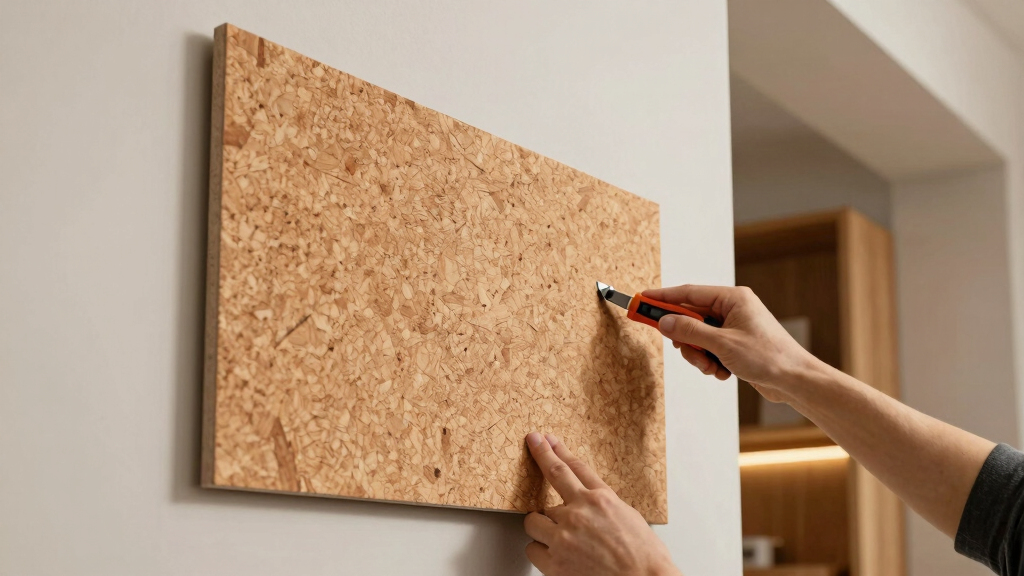
Recent design showcases and expert opinions confirm that cork is gaining prominence in interior spaces this year. London-based designer Alice Crawley has incorporated cork wall panels in her home study, citing its visual warmth and soundproofing qualities. Cork’s natural texture and color add a casual, retro vibe while providing functional benefits such as insulation and noise reduction.
According to industry sources, cork’s status as a rapidly renewable resource makes it an attractive choice for eco-conscious designers and homeowners. Its lightweight nature simplifies installation, and its affordability allows for large-scale applications like wall paneling and wainscoting. Popular decor items, such as cork placemats and furniture, are also seeing increased demand, especially in apartment settings where versatility and sustainability are valued.
Implications of Cork’s Growing Use in Interior Design
The increasing adoption of cork in interior design signifies a shift toward sustainable, natural materials in mainstream decor. Its versatile applications—from wall coverings to furniture—offer environmentally friendly options that do not compromise style. This trend aligns with broader consumer and industry movements prioritizing eco-conscious choices and innovative textures, potentially influencing future material selections across the design industry.
As an affiliate, we earn on qualifying purchases.
Cork’s Evolution from Flooring to Full Interior Use
Traditionally used as flooring for its insulation and soundproofing properties, cork has long been appreciated in interior design. Over recent years, its application expanded to wall coverings and decor. In 2026, this evolution accelerates as designers explore new ways to incorporate cork, driven by its sustainability and aesthetic versatility. Previous trends favored wood and other natural materials, but cork’s rapid renewability and unique look are now positioning it as a leading choice for modern interiors.
“Cork is a rapidly-renewable resource that can be harvested without harming the tree, making it an eco-friendly alternative for various interior applications.”
— an anonymous researcher
Unconfirmed Aspects of Cork’s Future in Design
While cork’s popularity is rising, it is not yet clear how widespread its use will become across all interior sectors. Long-term durability, maintenance challenges, and cost considerations for large-scale applications remain under discussion. Additionally, the extent of consumer acceptance outside trend-forward markets is still uncertain, and further industry data is awaited to confirm the longevity of this trend.
Upcoming Developments in Cork Interior Applications
In the coming months, expect to see more cork-based products showcased at design fairs and in major retail collections. Industry experts predict increased experimentation with cork in innovative furniture designs and wall systems. Monitoring consumer feedback and durability reports will be key to understanding how deeply cork will penetrate mainstream interior design in 2026 and beyond.
Key Questions
Is cork a durable material for everyday use?
Cork is durable when properly maintained, but its long-term performance depends on application and care. It is generally suitable for wall panels and decor but may require protective finishes for high-traffic furniture.
How sustainable is cork compared to other materials?
Cork is considered highly sustainable because it is harvested from the bark of cork oak trees without harming the tree, allowing for rapid renewal. This makes it a more eco-friendly choice than many hardwoods.
Can cork be used in humid or outdoor environments?
Cork is naturally resistant to moisture, making it suitable for humid spaces. However, for outdoor applications, additional sealing or treatment may be necessary to ensure longevity.
What are some popular cork decor items for 2026?
Popular items include cork wall panels, placemats, furniture pieces, and decorative accessories that emphasize natural textures and sustainable materials.
Source: rss
Fall Picks
fall essentials
As an affiliate, we earn on qualifying purchases.