TL;DR
Several interior designers interviewed by House Beautiful describe a soft return of honey oak, especially in cabinetry, millwork and furniture. They say its current use tends to be more selective than the extensive wood finishes common in homes from the late 1980s through the early 2000s.
Honey oak is showing up again in some contemporary interiors, with designers reporting renewed interest in its warm, golden tone for cabinetry, millwork and furniture. The return appears selective rather than a repeat of the finish’s broad use in late-1980s-to-early-2000s homes, as designers pair it with cooler colors and contrasting materials.

Get furniture and decor delivered free with Prime
- Fast, free delivery on millions of items
- Prime Video, Amazon Music and more included
- Member-only deals all year
Designers Elizabeth Bennett and Mallory Robins, founders of Kobel + Co, told House Beautiful that interest in honey oak reflects two trends: a broader preference for warmer interiors and nostalgia among homeowners who grew up with the style. Bennett said similar references to the era are appearing in fashion as well as home design.
Cathleen Gruver of Gruver Cooley described the shift as a “soft return,” especially in cabinetry, millwork details and furniture. She said clients may not request honey oak by name, but are drawn to natural wood tones that add warmth and character. The article does not provide sales figures or other market data to quantify the trend.
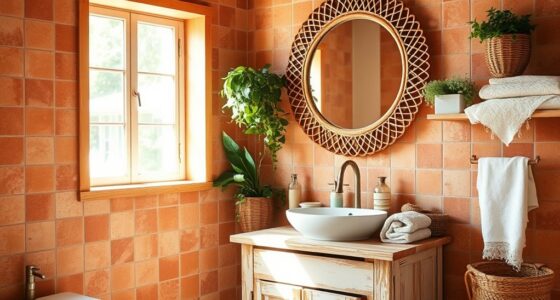
Designers cited several ways to use the finish without making a room feel dated. Adina Hall paired existing honey oak with whitewashed French oak flooring, taupe-toned ash cabinetry, crisp whites and accents including sage green and indigo blue. In a bathroom designed by Bennett and Robins, a honey oak vanity sits alongside cool blue tile, silver finishes and gray paint.
Other approaches include limiting the wood to a single feature, such as a kitchen island or console, and setting it against a brighter palette. Nancy Dow of Sierra Living Concepts said she uses clean lines, matte black details, natural stone and modern lighting to give honey oak a contemporary setting. Designer Marli Jones of Rebel House used it selectively in a kitchen’s island and scullery cabinetry against lighter surfaces.
Honey oak returns in measured doses
Designers interviewed by House Beautiful see renewed interest in honey oak for cabinetry, millwork and furniture. They describe a selective return, not a widespread comeback.
A softer return
Designers say warmer interiors and nostalgia are bringing the golden wood tone back into view.
Cabinetry and details
Honey oak is showing up in millwork, vanities and furniture, often as a single feature.
From widespread to selective
Designers contrast today’s restrained use with its broad presence in homes from the late 1980s through the early 2000s.
Pair warmth with contrast
The examples use cooler colors and varied materials to keep the golden tone from dominating.
- Cool blue tile, gray paint and silver finishes
- Lighter flooring and other wood tones
- Stone, matte black details and modern lighting
- Try honey oak on one island, vanity or furniture piece
- Assess existing wood alongside surrounding finishes
- Choose whether to keep or change it based on the room
How broad is the trend?
The report shares designers’ observations and project examples, but gives no market measurement.
A Warmer Alternative to Gray
The reported shift offers homeowners another option as some designers and clients move away from cool, neutral interiors. Honey oak can bring visible warmth to a room, but its strong orange-gold cast may dominate when used across floors, cabinets and trim at once. The designers’ examples point to a more limited role for the finish: it can become a deliberate accent rather than the default material throughout a house.
That distinction matters for people deciding whether to replace existing woodwork. The designers quoted in the article suggest that honey oak does not automatically require removal; a room’s other colors, finishes and proportions can change how the wood reads. The advice is design guidance, not a guarantee that every existing installation will suit every home.
Products Worth Considering

Philips Hue Play Floor Lamp, RGBWWIC LED, 53 Inch, Black

Philips Hue Play Gradient Light Tube, Large, Black

Ring Battery Doorbell Plus (2nd Gen) and Spotlight Cam Plus Battery Bundle
As an affiliate, we earn on qualifying purchases.
From Ubiquitous to Selective
Honey oak was widely used in homes from the late 1980s through the early 2000s, appearing on kitchen cabinets, bathroom vanities, trim, stair railings, floors and furniture. Gruver recalled that it was a common choice for both builders and homeowners.
By the early 2000s, the finish had lost favor as interiors moved toward cooler, more neutral schemes, according to Gruver. The current interest described by the designers is not presented as a full reversal of that shift. Rather, their projects show the wood returning in selected applications, combined with lighter or cooler colors and different wood tones.
““It’s not necessarily a full-blown comeback, but I’ve definitely noticed a soft return—particularly in cabinetry, millwork details, and furniture.””
— Cathleen Gruver, Gruver Cooley
How Broad Is the Return?
The supplied report offers designers’ observations and project examples, but no survey, sales data or other measurement showing how widespread the renewed interest is. It is also unclear whether the trend extends beyond the designers and clients represented in the article, or how durable it will be. The source describes a soft return, not a broad industry-wide comeback.
There is no single approach presented as suitable for every home. Existing honey oak varies by finish and setting, and the article does not assess the cost or practicality of refinishing or replacing it. Its examples show possible combinations rather than a prescriptive standard.
Design Choices to Watch
The next indication of whether the look gains wider traction will be its continued appearance in residential projects, especially in cabinetry, millwork and furniture—the areas designers say are already seeing renewed interest. For homeowners, the examples suggest starting with the existing wood and testing how it works alongside cooler paint colors, lighter flooring, stone, metal and other wood finishes.
For now, the source supports a measured conclusion: designers are using honey oak again, but often in smaller doses and with more deliberate contrast than in the era when it covered multiple surfaces throughout a home.
Key Questions
Is honey oak making a comeback?
Designers interviewed by House Beautiful describe a soft, selective return, particularly in cabinetry, millwork and furniture. The source provides no market data showing how widespread the trend is.
How are designers making honey oak feel current?
Examples include pairing it with cool blue or gray, muted green, warm white, stone, matte black details and modern lighting. Designers also mix it with other wood tones rather than using it everywhere.
Should homeowners remove existing honey oak cabinets?
The designers’ examples suggest considering the surrounding finishes before replacing existing wood. The article does not say every installation can or should be retained; the right choice depends on the home and the desired result.
Is the return as extensive as honey oak’s earlier popularity?
Not according to the designers quoted. They describe a more restrained use, such as a single island, vanity or furniture piece, rather than honey oak across cabinets, floors and trim throughout a house.
Source: housebeautiful.com