TL;DR

Get furniture and decor delivered free with Prime
- Fast, free delivery on millions of items
- Prime Video, Amazon Music and more included
- Member-only deals all year
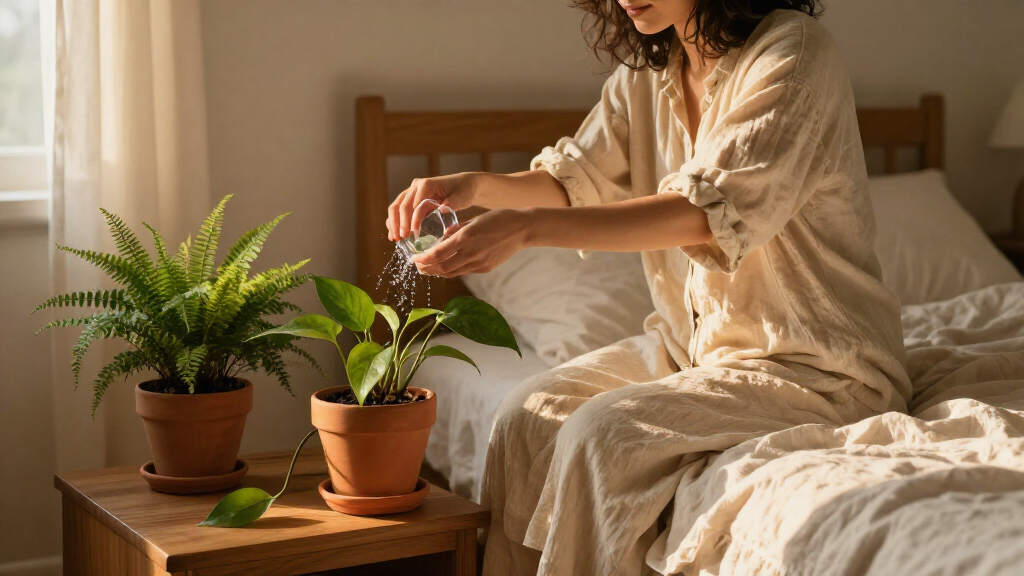
House Beautiful published a list of 33 plants suited to bedrooms, describing options for different light levels, care routines and decorative styles. The report offers plant-care guidance, but it does not establish that bedroom plants improve sleep or have proven calming effects.
House Beautiful has published a guide to 33 bedroom plants, outlining choices for rooms with different light levels and offering basic care advice. The list includes low-light options such as snake plants and ZZ plants, as well as sun-loving lavender and pilea; its calming framing describes the look and feel of greenery, not a demonstrated effect on sleep.
The guide spans plants with different shapes and care needs. Aglaonema, cast iron plant, snake plant and ZZ plant are presented as options for bedrooms with limited light. At the brighter end, lavender, pilea and monstera need bright light, usually indirect, according to the report. These distinctions matter because light availability can determine whether a plant is a practical fit for a room.
House Beautiful’s care notes focus largely on checking the soil rather than following a fixed calendar. For example, it recommends watering pothos when the top few inches feel dry, and says pilea should be watered when the top inch dries. The guide describes snake plants and ponytail palms as needing less frequent watering, while lucky bamboo can be grown in water or soil; water-grown bamboo should have its water changed weekly.
The article also calls out features beyond light and watering. It says cast iron plants are non-toxic to people, cats and dogs, and describes nerve plants as pet-safe. It presents prayer plant leaves that fold upward at night as a distinctive visual feature and notes that wax plants prefer higher humidity. These are recommendations from the source guide, not a guarantee that every plant will thrive in every bedroom.
Choosing Plants for Bedroom Conditions
The practical value of the list is that it connects plant choice to ordinary bedroom conditions: available light, watering habits, humidity and household pets. Someone with a shaded room may find a better match among the guide’s low-light selections than by choosing a plant chiefly for appearance. A sunny windowsill, by contrast, may suit lavender or pilea.
The guide’s title uses “calming” as a description of the atmosphere greenery can bring to a room. It does not provide research showing that keeping one of the listed plants in a bedroom improves sleep, reduces stress or purifies the air. Readers should treat those outcomes as unestablished by this report and choose plants based on care needs and personal preference.
Products Worth Considering

Dyson Cool AM07 Bladeless Tower Fan, Iron/Blue

Philips Hue Bridge Pro Smart Lighting Hub

Philips Hue Festavia 65-Foot Smart LED String Lights, 250 Color-Changing Mini LEDs
As an affiliate, we earn on qualifying purchases.
How the 33-Plant Guide Is Organized
The House Beautiful report groups recommendations by their individual characteristics rather than presenting one best plant for every bedroom. Its selections include trailing plants such as pothos and heartleaf philodendron, compact choices such as nerve plant, and larger statement plants including bird of paradise and monstera. It also includes familiar tabletop palms and plants valued for unusual leaves.
Care instructions are general starting points. The report repeatedly advises checking how dry the soil feels, but actual watering needs can vary with pot size, soil, temperature and indoor light. The list’s 33 entries are broader than the supplied descriptions for individual plants, so this article focuses on the varieties and care details available in the source material rather than adding unsupported plant recommendations.
““The snake plant doesn’t mind low light—and because it’s a succulent, it only needs to be watered every week or two.””
— House Beautiful
What Plant Benefits Are Unproven
The source does not identify research demonstrating that the listed plants create a measurable calming effect or improve sleep when kept in a bedroom. On lavender, it says research has studied essential oils specifically and describes the benefit of a live plant cautiously. The guide also does not provide a single care schedule that will work across homes, where light, humidity and soil conditions differ.
Although the article mentions pet safety for particular entries, it does not provide a complete toxicity assessment for all 33 plants in the supplied material. Pet owners should verify each plant individually before bringing it home, especially when an animal may chew leaves. The recommendations should not be read as medical advice or as a substitute for checking plant-specific care information.
Matching a Plant to Your Room
Readers can use the guide as a shortlist, then compare a chosen plant’s needs with the room’s conditions. Start by noting whether the plant will receive low, medium or bright indirect light, and check the soil before watering rather than relying only on a calendar. For plants described as needing bright light, the report suggests a sunny windowsill; a grow light is also mentioned for lavender.
House Beautiful’s supplied material does not announce a follow-up report or later milestone. The next step for anyone choosing from the list is to confirm the care and pet-safety details for the specific plant and monitor how it responds at home.
Key Questions
Which plants does the guide suggest for low-light bedrooms?
It identifies cast iron plant, aglaonema, snake plant and ZZ plant as tolerant of lower-light conditions. Pothos and heartleaf philodendron are also described as adaptable to low light.
Does House Beautiful show that bedroom plants improve sleep?
No. The report does not establish that bedroom plants improve sleep. It says research on lavender has focused on essential oils and qualifies what a live plant might do.
How should I decide when to water a plant on the list?
Follow the plant-specific advice and check the soil. Several entries say to water when the top inch or a few inches feel dry, while some succulents need less frequent watering. Conditions at home can change how quickly soil dries.
Are all 33 plants safe for pets?
The supplied descriptions specifically call the cast iron plant non-toxic to cats and dogs and describe nerve plants as pet-safe. They do not establish pet safety for every plant on the list, so check each variety before buying.
Source: housebeautiful.com