
TL;DR

Get furniture and decor delivered free with Prime
- Fast, free delivery on millions of items
- Prime Video, Amazon Music and more included
- Member-only deals all year
House Beautiful’s leather-care report recommends removing dust, pet hair and crumbs with a vacuum and dry cloth every one to two weeks, depending on use. Experts also suggest periodic deeper cleaning and conditioning, while warning that moisture and DIY repairs may not suit every leather type or level of damage.
A House Beautiful report citing furniture and leather-care specialists recommends removing dust, pet hair and crumbs from leather furniture about every one to two weeks, depending on how often it is used, and scheduling deeper cleaning every few months. The advice matters because routine care can help prevent debris from settling on the surface, but experts say the right method depends on the leather’s finish.
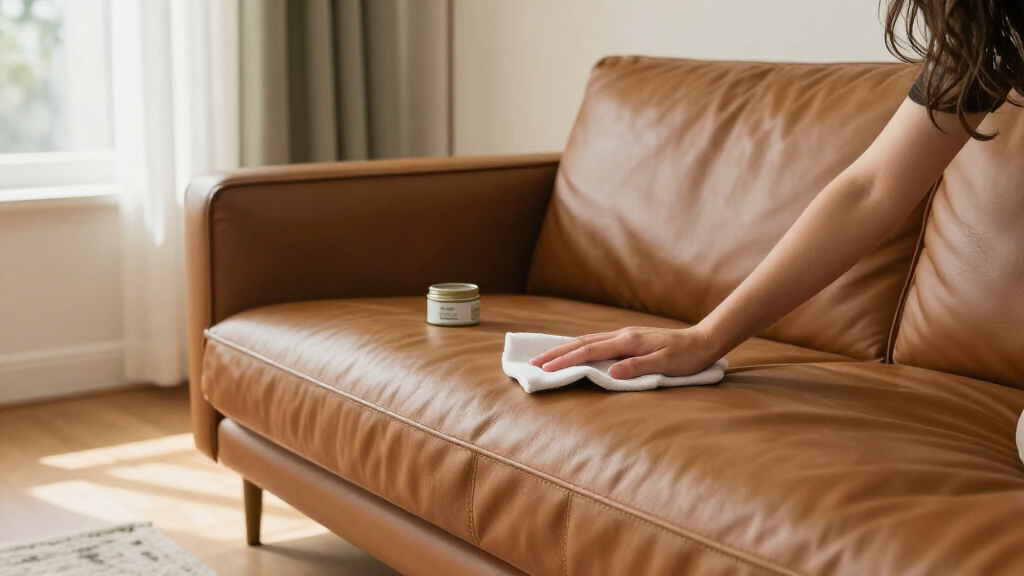
Lisa Beach, director of operations at leather furniture company BenchMade Modern, recommends vacuuming and wiping furniture with a dry cloth when dust, pet hair, dander or crumbs begin to accumulate. That may mean cleaning every one to two weeks, depending on use. The aim is to keep particles from settling and potentially scratching the surface.
Beach cautions against making damp wiping part of every quick clean. For semi-aniline or protected leather, she says an occasional damp-cloth wipe may be appropriate, followed by a dry cloth to remove excess moisture. Natural full-grain leather is more absorbent, so she advises against moisture unless cleaning a spill or stain. The report does not provide product-specific instructions for every leather finish.
For a deeper clean, the report recommends using a specialized pH-balanced leather product every few months. Shawn McGowen, CEO of leather-care company Leather Honey, suggests setting aside time every three to six months for deep cleaning and following with leather conditioner. These are expert recommendations, not a universal schedule for every sofa or chair.
Routine Care Can Limit Surface Wear
The schedule gives owners a practical way to distinguish frequent, light upkeep from less frequent deep cleaning. Removing grit, crumbs and pet hair before they build up may reduce the chance of surface scratching, while choosing a method suited to the leather can help avoid exposing more absorbent material to unnecessary moisture.
Knowing the difference between ordinary aging and damage can also affect whether a repair is manageable at home. McGowen describes patina as a gradual change in color, sheen and feel, often most visible where people sit or rest their arms. Cracking, flaking, persistent stiffness or wrinkles, by contrast, may signal damage rather than the expected effects of use.
The distinction matters for household budgets and the furniture’s useful life. A small mark may be less involved than a tear or a large discolored area, but the report does not promise that cleaning or conditioning will reverse damage. For substantial problems, the cited expert recommends professional restoration rather than an ambitious DIY repair.
Products Worth Considering

eufy E25 Robot Vacuum and Mop for Pet Hair, 20,000 Pa, HydroJet Roller Mop

eufy C28 Robot Vacuum and Mop with HydroJet Roller and 15,000 Pa Suction

Dyson 360 Vis Nav Robot Vacuum
As an affiliate, we earn on qualifying purchases.
Patina, Fading and Repair Limits
Leather changes with age and use. McGowen says patina can appear as darker color, a softer sheen and a smoother feel, especially in areas touched most often. He attributes this effect to natural body oils burnishing the surface over time, and distinguishes it from neglect-related cracking, flaking or stiffness.
The report also notes that leather can fade in a sunny room rather than darken. McGowen says this does not mean owners need to keep curtains closed or move furniture to a darker location; he says recoloring balms or leather dyes can be applied to small areas. The report does not compare products or explain how to select a colorant for a particular leather.
For serious wear, McGowen advises calling a leather-care specialist when furniture has tears, holes, broad discoloration or stains. He says professionals have experience with color matching and upholstery work, as well as tools for larger restoration jobs. The source offers expert guidance rather than an independent test of cleaning products or repair methods.
“For semi-aniline or protected leathers, you may wipe down your furniture every few months with a damp cloth, but be sure to follow with a dry cloth to remove any excess moisture.”
— Lisa Beach, director of operations at BenchMade Modern
The Right Schedule Varies by Leather
The report does not set one schedule for every piece of furniture. Suggested frequency depends on how often the furniture is used, how quickly debris accumulates and the leather’s finish. It also does not identify a specific pH-balanced cleaner, conditioner or product suitable for every type.
It remains unclear how much a given cleaning routine can extend a particular sofa’s life, or which treatment is appropriate for any individual stain, fade or worn area. The source presents advice from two industry professionals, not a controlled comparison of care methods. Owners should check care instructions for their furniture and product before applying moisture, cleaners, conditioners or dyes.
Check Care Guidance Before Cleaning
Owners can use the report’s intervals as a starting point: remove visible debris with a vacuum and dry cloth as it builds up, and consider deeper cleaning every few months with a product intended for leather. Before damp wiping or conditioning, identify the leather finish and follow the furniture maker’s care directions.
If a piece has a tear, hole, large stain or broad discoloration, McGowen recommends consulting a leather-care specialist rather than relying on a small-area DIY approach. The report identifies no scheduled policy change or further update; its advice is general guidance, and repair decisions remain dependent on the furniture’s material and condition.
Key Questions
How often should leather furniture be wiped down?
Lisa Beach recommends vacuuming and using a dry cloth when dust, hair or crumbs accumulate. Depending on use, that may be every one to two weeks.
How often should leather furniture get a deeper clean?
The report recommends a specialized pH-balanced leather cleaner every few months. Shawn McGowen suggests deep cleaning every three to six months, followed by conditioner.
Can I use a damp cloth on leather?
Beach says occasional damp wiping may suit semi-aniline or protected leather, followed by drying with a clean cloth. She advises avoiding moisture on more absorbent natural full-grain leather unless addressing a spill or stain.
How can I tell patina from damage?
McGowen describes patina as a gradual change toward a darker color, softer sheen and smoother feel. Cracking, flaking, persistent stiffness or wrinkles may indicate damage instead.
When should I call a leather-care professional?
McGowen recommends professional help for tears, holes, large areas of discoloration or stains, which may require color matching, upholstery experience and specialized tools.
Source: housebeautiful.com